by Dr Kazi Mizanur Rahman
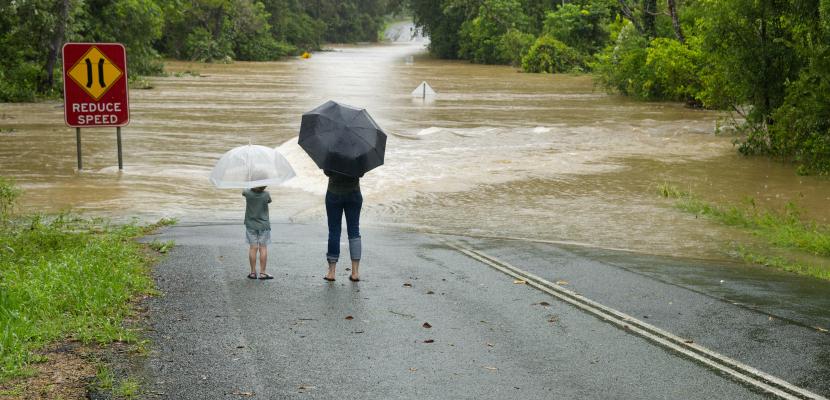
Parts of North Queensland have received almost two metres of rain since the weekend, causing flash and riverine flooding that claimed the lives of two women around Ingham.
While some North Queensland residents are on alert for more flooding, others are returning home to assess the damage.
This can be very confronting. You may have left in a rush when the evacuation order was issued, taking only a few valuables and necessary items, and maybe your pet. You may have been scared and unsure of what would happen.
Coming back and seeing the damage to the place you lived in and loved can be painful. You might also be worried about the financial consequences.
First, focus on safety
Make sure it’s safe to return home. Check with your energy provider whether power has been restored in your area and, if so, whether it’s safe to turn the main switch back on. Do not use appliances that got wet, as electrical hazards can be deadly.
Look for any structural damages to your property and any hazards such as asbestos exposure. Watch out for sharp objects, broken glass, or slippery areas.
The hardest part is cleaning up. You will need to be patient, and prioritise your health and safety.
What risks are involved with flood clean-ups?
Floodwater carries mud and bugs. It can also be contaminated with sewage.
Contaminated flood water can cause gastroenteritis, skin infections, conjunctivitis, or ear, nose and throat infections.
Mud can make you sick by transmitting germs through broken skin, causing nasty diseases such as the bacterial infection melioidosis.
Your house may also have rodents, snakes, or insects that can bite. Rats can also carry diseases that contaminate water and enter your body through broken skin.
Be careful about mould, as it can affect the air quality in your home and make asthma and allergies worse.
Stagnant water in and around your home can become a place where mosquitoes breed and spread disease.
How can you reduce these risks?
When you first enter your flood-damaged home, open windows to let fresh air in. If you have breathing problems, wear a face mask to protect yourself from any possible air pollution resulting from the damage, and any mould due to your home being closed up.
Cleaning your home is a long, frustrating and exhausting process. In this hot and humid weather, drink plenty of water and take frequent breaks. Identify any covered part of your home with sufficient ventilation which is high and dry, and where flood water did not enter. Use that as your resting space.
While assessing and cleaning, wear protective clothing, boots and gloves. Covering your skin will reduce the chance of bites and infection.
Wash your hands with soap and water as often as possible. And don’t forget to apply sunscreen and mosquito repellent.
Throw away items that were soaked in floodwater. These could have germs that can make you ill.
Empty your fridge and freezer because the food inside is no longer safe.
If there is standing water, avoid touching it.
When you can, empty outdoor containers with stagnant water to prevent mosquitoes breeding.
Don’t overlook your mental health
When cleaning up after a flood, you may feel sad, anxious, or stressed. It’s hard to see your home in this condition.
But know you are not alone. Stay connected with others, talk to your friends and families, and accept support. If you feel too overwhelmed, seek help from mental health support services in your area or contact Lifeline on 13 11 14.
On top of everything, be mindful about those who are vulnerable, such as older people and those with disabilities, as they may be more affected and find the clean up process harder.
Recovering from a flood takes time. Focus on what needs to be fixed first and take it step by step.
- Dr Kazi Mizanur Rahman is Associate Professor of Healthcare Innovations at Bond University. His research interests include the effects of natural disasters on health. This article was first published on The Conversation.