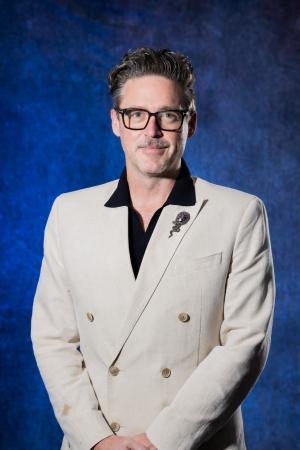
Melioidosis has already claimed 16 lives in Queensland’s north this year and those further south cleaning up after Cyclone Alfred need to stay alert, says Dr Kieran Le Plastrier.
The Bond University researcher and GP said the killer bug was traditionally associated with regions north of Rockhampton, but it was now being seen much further south.
“That’s a big change,” he said.
“It’s believed to be associated with the climate change phenomena of increased rainfall and then warmer climates generally which support its existence in the soils where normally it might not survive.”
Dr Le Plastrier said the bacteria lived in soil about 10cm below the ground and humans only came into contact with it during times of risk such as heavy rain and flooding which caused it to rise to the surface.
“And then in enters the water,” he said. “And you can actually breathe this in, ingest it through contaminated water and also have contact with it through mud and floodwaters.”
With recent heavy rains and flooding following Alfred, Dr Le Plastrier warned Gold Coasters not to be complacent about melioidosis and take precautions.
“Avoid contact with floodwaters, including any ponds or puddles that form in its wake,” he said.
“This bug lives in that water, and it only takes a small scratch on the skin for the infection to establish itself.
“So if you’re out clearing up or the like be sure to wear boots and gloves and minimise direct contact with the mud or water as much as possible.
“It can also be inhaled, so consider a mask, and having good hand hygiene is also very important.”
Dr Le Plastrier said melioidosis was the biggest danger to those with compromised immune systems and they needed to take particular care.
While symptoms were generally mild for most people who contracted melioidosis, its severe impact on those at high risk meant the death rate was around 10-15 percent even in Australia.
“For example, in South East Asia, where it is also endemic, we see fatality rates of up to 40 percent which is staggering,” he said.
“We think that’s got something to do with access to health care, but even here in our world-class healthcare system we still have a high fatality rate from melioidosis.
“So we are seeing such a high rate of patients presenting with the bug, the number of deaths is, tragically, about what we would expect to see.”
Dr Le Plastrier said it was also ‘quite a robust bug’ with the ability to survive at temperatures of as low as 24C right up to around 40C.
It could also take weeks to settle back down into the soil after a weather event, so it was vital for clean-up crews to protect themselves, he said.