
Kinship connection
The PhD candidate strengthening elite sport pathways to better support young Indigenous athletes
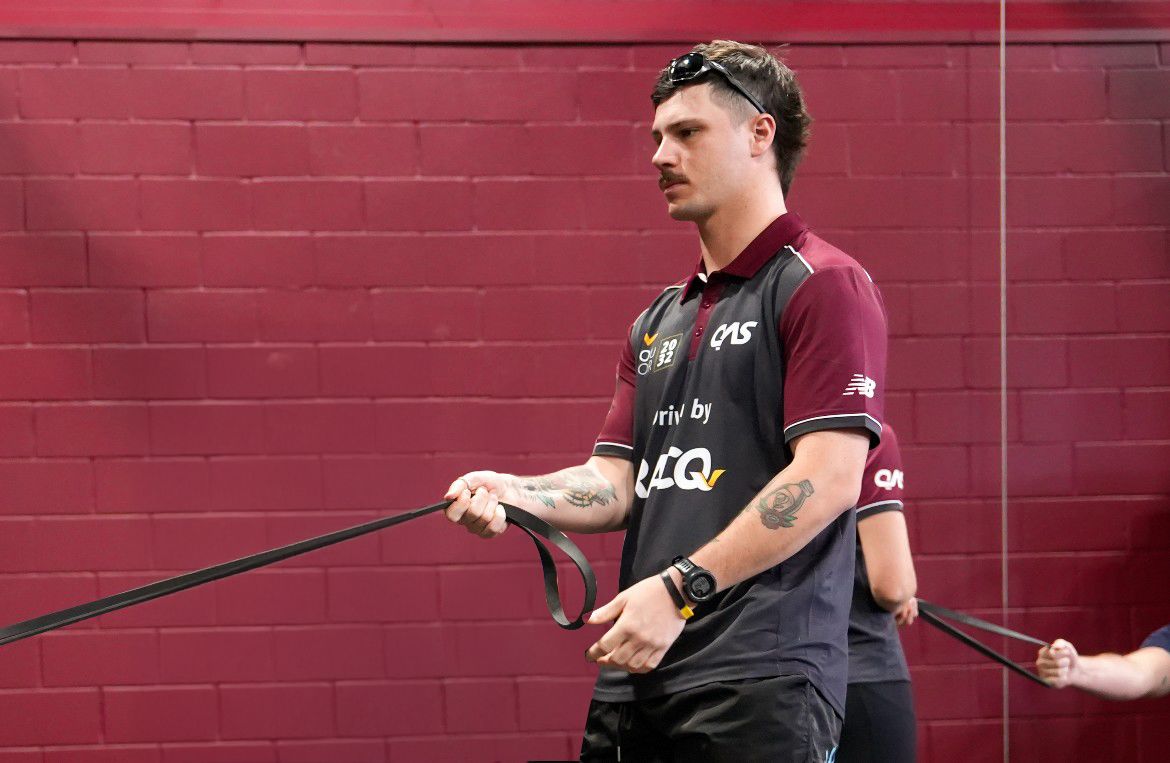

Kinship connection
The PhD candidate strengthening elite sport pathways to better support young Indigenous athletes
In the lead up to Brisbane’s 2032 Games, Worimi researcher Isaac Maynard is drawing on his own upbringing to reshape how elite sport supports young Indigenous athletes. “I'm Aboriginal, my mob is Worimi, near Newcastle in New South Wales. But I grew up on Wiradjuri country in a place called Mudgee, located about an hour from Dubbo in the state's centre,” says Bond PhD candidate Isaac Maynard.
“I played sport my whole life, it’s been a big part of my upbringing. I played rugby union for 10 years and dip my tail into pretty much any sport you can think of. I always knew it was the area I wanted to head into.”
Those early years playing sport in regional Australia continue to shape how Isaac thinks about opportunity — who gets seen, who feels community in elite systems, and how culture is recognised or overlooked along the way.
Now, he is turning that lived experience into research focused on a critical question: how can elite sport pathways better engage and support young Indigenous athletes across Queensland?
After graduating from Bond with a Bachelor of Exercise and Sports Science in 2022, Isaac joined the Queensland Academy of Sport (QAS), working in its YouFor2032 youth talent search program. Over the course of 2023, he saw firsthand how elite pathways operate.
“They were having challenges engaging with Indigenous Queenslanders and I saw the opportunity to do something, to give back to my people, my community, and the culture, in the area I know best, sport,” he explains.
Through yarning sessions, Isaac is gathering lived experiences of how sport shows up in the lives of young Indigenous athletes — what draws them in, which sports they connect with, and how culture is reflected within elite environments.
By learning directly from young athletes about representation, identity, and access, he aims to develop practical strategies that help Olympic sports and pathway programs better identify, support, and retain Indigenous talent.
“Indigenous research should pay respect to those knowledges and the contributions from the community, and come back with something tangible that can help their young people and wider community,” says Isaac.

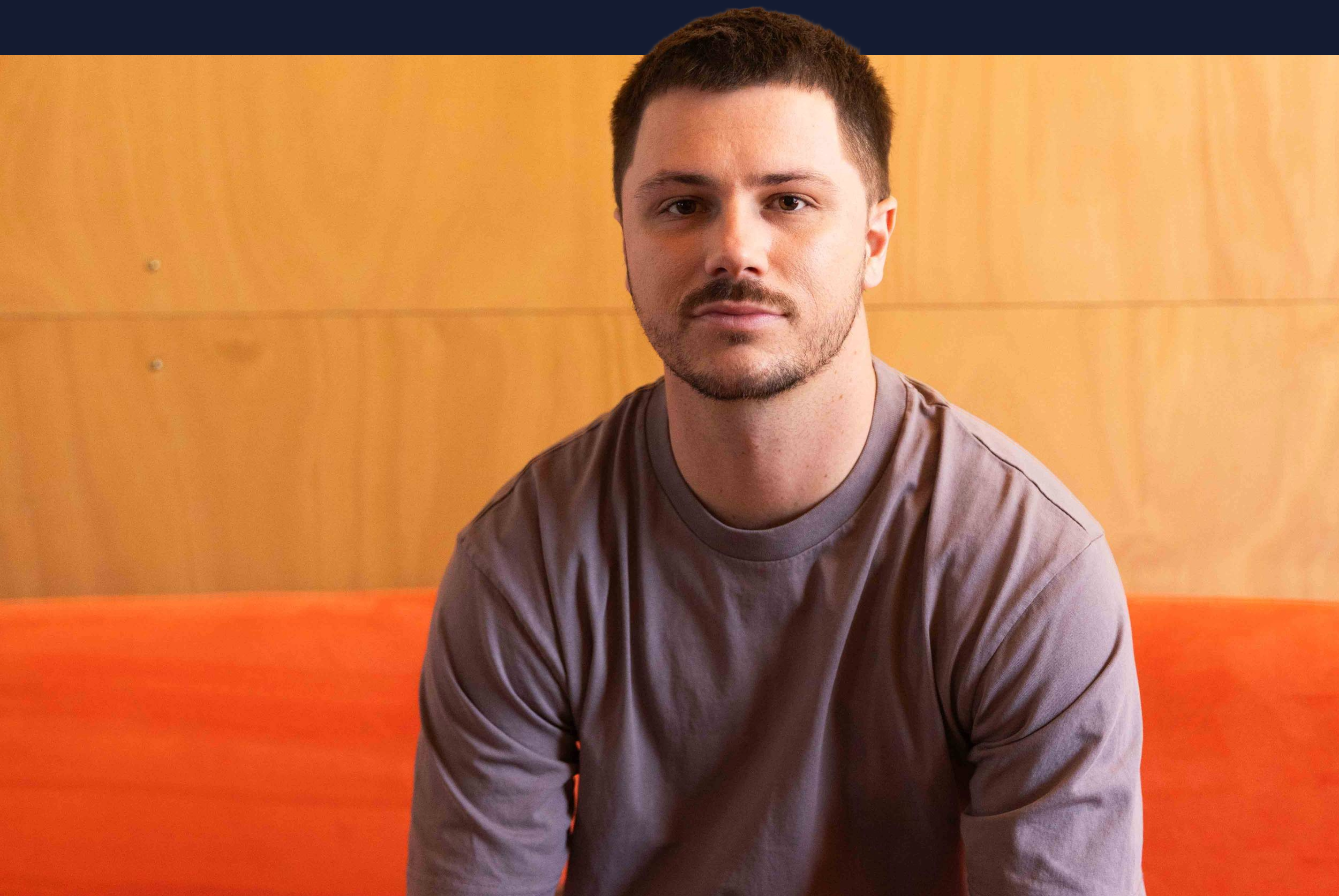


“Indigenous research should pay respect to those knowledges and the contributions from the community, and come back with something tangible that can help their young people and wider community.”
The early findings
One of Isaac’s significant early findings is the impact of relocation on athletes. “For Indigenous athletes to pursue that really high level, they’re generally forced to move out of their community,” Isaac says.
“Moving into spaces that may be less culturally supportive can lead to a disconnect from culture … which can impact performance and focus.”
Isaac says the value of mentorship has also been a key finding. “Having kinship connection within the team with other Indigenous players and feeling that cultural safety, so they can express that part of themselves,” he explains.
“The importance of Indigenous pathways and providing a culturally safe space for athletes to perform at their best and represent their people, represent their mob, and play for something greater is really valuable for the development of young Indigenous players in various sports.”
A team effort
For Isaac, one of the most important foundations of his project was having the right people on board. His Bond University supervisory team includes sports science Associate Professor Justin Keogh, Professor of First Nations Health Shane Hearn, and Head of Talent at the Queensland Academy of Sport, Dr Alex Roberts, who has been an invaluable connection to industry.
Associate Professor Keogh says together they make a great team. “A topic like this has a big impact on society and if we can ultimately understand those cultural aspects for young Indigenous athletes, it’s not just us being able to support them better, it’s also the things we learn along the way,” he says.
“Industry connections, like Isaac’s collaboration with the QAS, means you can look at issues or challenges facing different communities and work with them to develop solutions.”
Addressing a long-standing challenge
Dr Alex Roberts says Isaac’s project is timely. “The QAS YouFor2032 program is already engaging young athletes across the state in preparation for the Brisbane 2032 Olympic and Paralympic Games, which provides a unique opportunity to examine and improve how Indigenous youth experience these pathways,” she says.
“The relationships and communication channels Isaac is building with regional and urban Indigenous communities are valuable outcomes and lay a strong foundation for future talent identification and athlete development across Queensland.
“So far, Isaac’s work has already led to direct changes in QAS talent search programs, creating testing opportunities tailored to the needs of First Nations athletes and incorporating cultural aspects into education sessions.
“There is scope for the research to inform national frameworks, contribute to shared learning, and guide future programs that can strengthen partnerships with Aboriginal and Torres Strait Islander communities.”

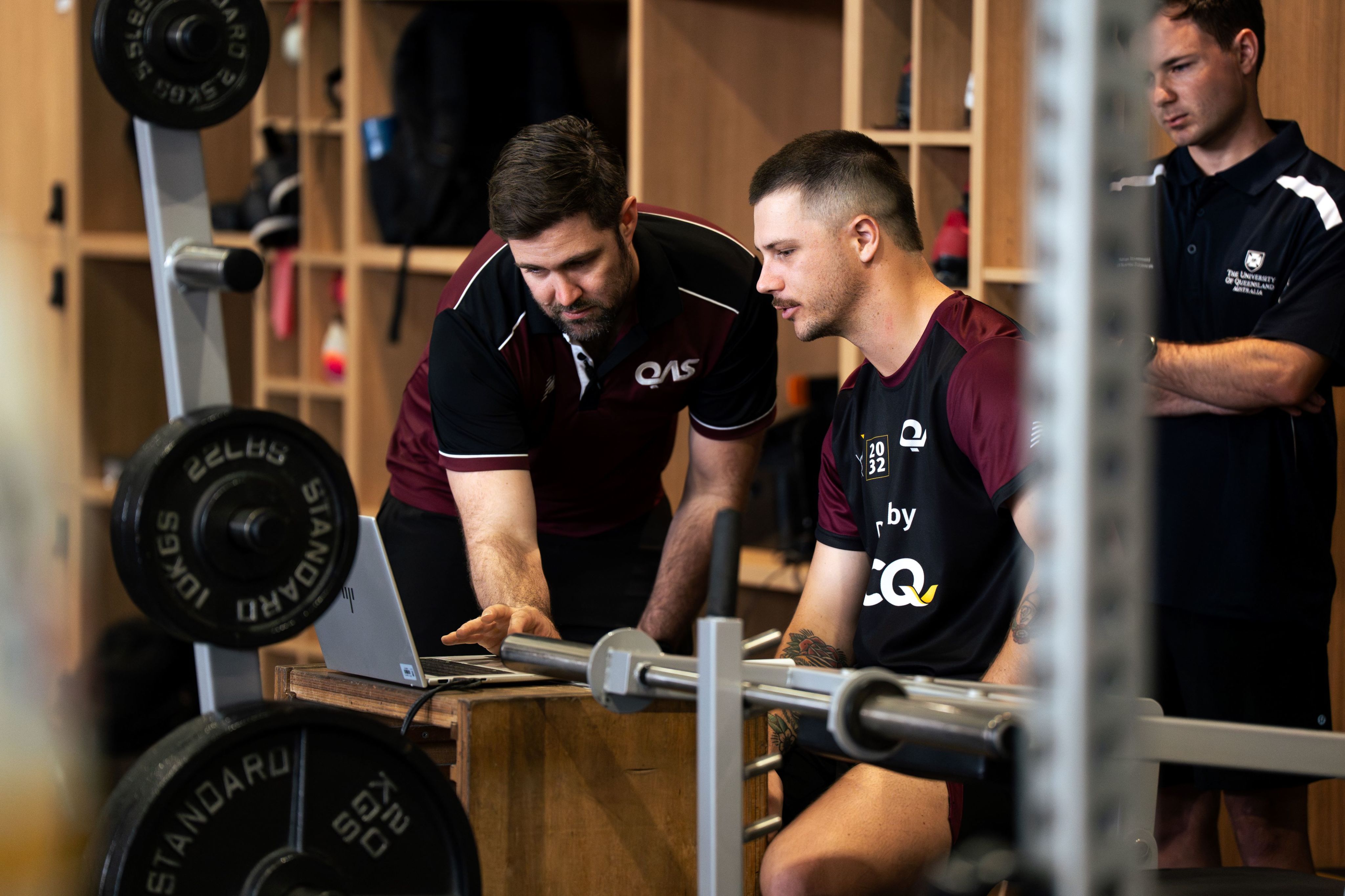
"Isaac’s work has already led to direct changes in QAS talent search programs..."
Research at Bond
At Bond University, research is shaped by proximity to industry, to community, and to the real-world challenges that demand timely, practical responses. According to Deputy Provost Research, Professor Michael Kimlin, the University’s scale is a defining strength.
“Our size allows for far more opportunities by being nimble to the responses and needs of our community that we work with,” he says.
“We are focused on supporting, encouraging and maintaining our engagement with industry, government and community partners to deliver answers to the questions driving them.”
This approach has direct benefits for research students and the outcomes they produce. Candidates are embedded in environments where their work can be tested, evaluated, and applied.
“We are committed to ensuring our research students engage meaningfully with our partners, exposing them to diverse modes of inquiry, alternative problem-solving approaches, and the cocreation of innovative solutions to complex challenges.”

Dr Justin Keogh

Prof Shane Hearn

Prof Michael Kimlin
Original thinking direct to your inbox

Stories from Bond