


Beer built the pyramids, funded revolutions and took the blame for a million hangovers. Now it has inspired the world’s first book on beer law, written by Bond University professors and their European colleagues.


When you spend your days poring over the law and your nights brewing beer, you develop a powerful thirst for knowledge. Professor Dan Jerker B. Svantesson is an international expert on internet law and data privacy who is equally at home in the world of malt and hops.
An affiliated researcher at the Norwegian Nobel Institute which advises the committee that awards the Nobel Peace Prize, he also took out top honours in the 2022 Queensland Amateur Brewing Championship with a chocolate Baltic porter.

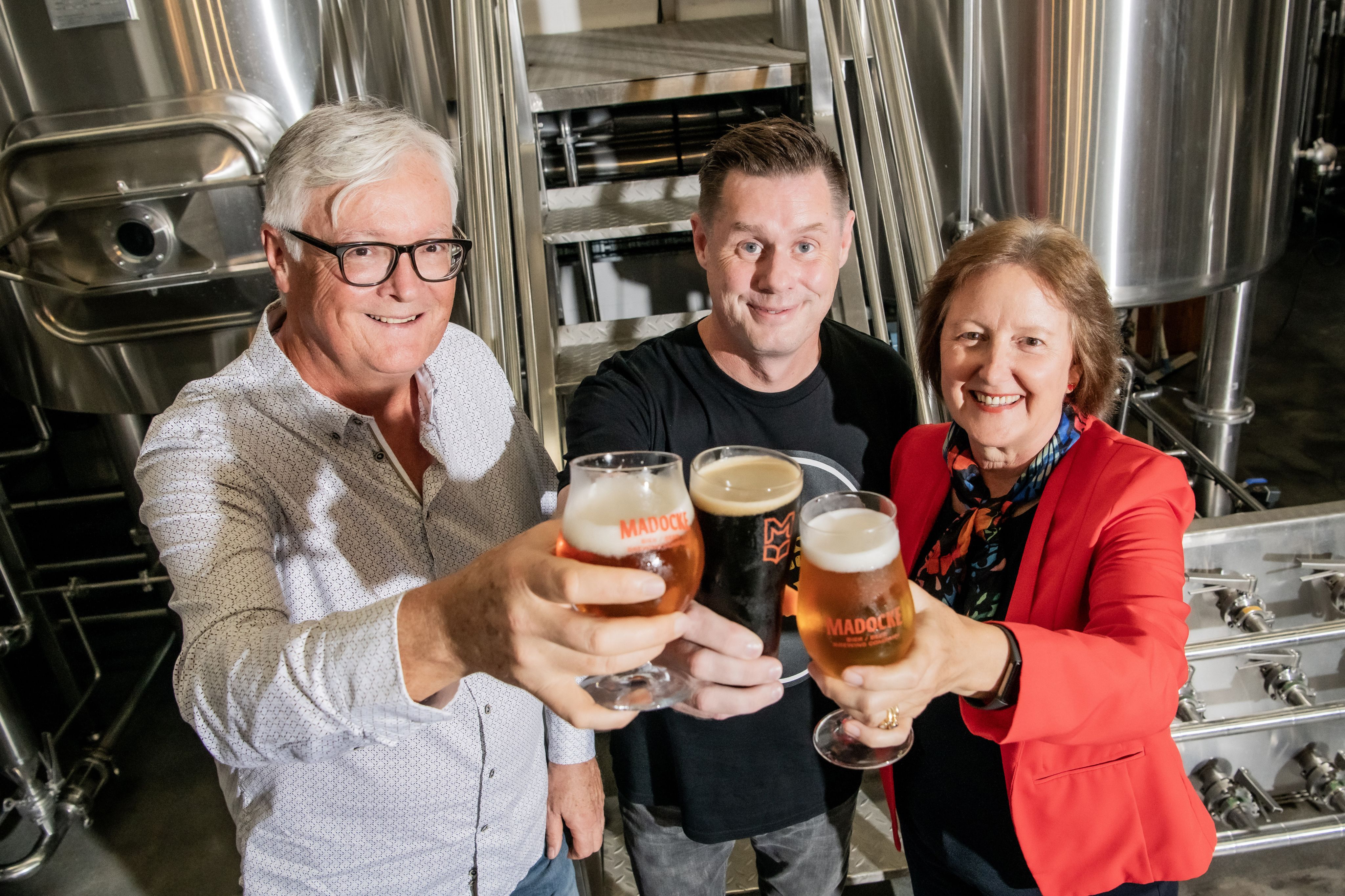
Professor William van Caenegem, Professor Dan Jerker B. Svantesson and Assistant Professor Anthea Gerrard at the launch of their book at Madocke Beer Brewing Company. Picture: Cavan Flynn
Professor William van Caenegem, Professor Dan Jerker B. Svantesson and Assistant Professor Anthea Gerrard at the launch of their book at Madocke Beer Brewing Company. Picture: Cavan Flynn
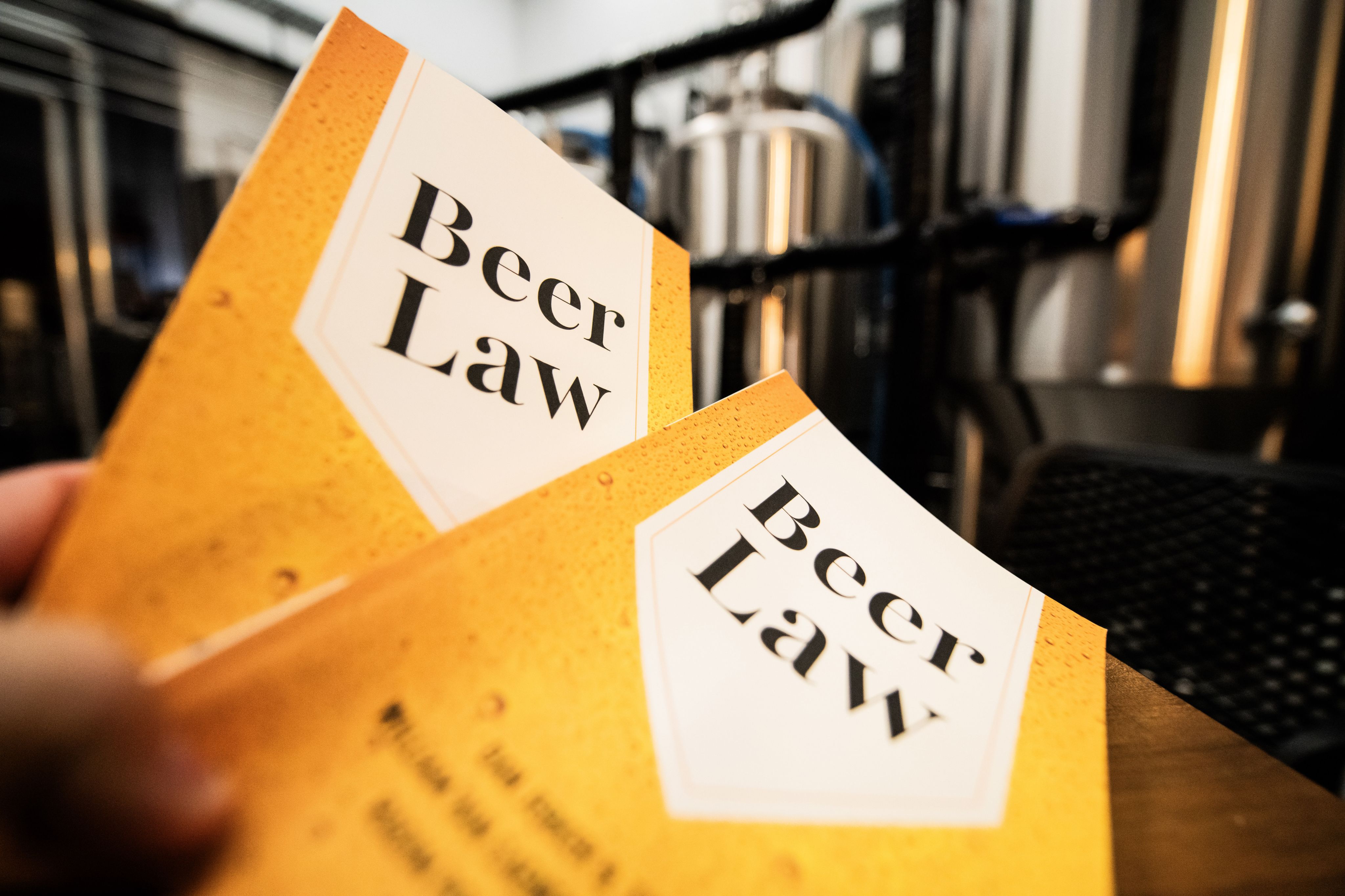
Those twin passions have come together in a shandy of a book: Beer Law. The idea for the frothy tome was born during brainstorming sessions between Professors Svantesson and William van Caenegem at Bond’s Faculty of Law. They realised that while wine law was an established academic field, no one had written a law book devoted to the amber liquid.
Joined by Bond’s Assistant Professor Anthea Gerrard, they then enlisted legal scholars from heavyweight beer nations Belgium, Germany and the Czech Republic to join the project.


“Beer is such a unique product with an incredible history. It is so much more than just a drink,” Professor Svantesson says.
“It is deeply embedded in the culture of large parts of the world and has shaped history, and continues to do so.”
Beer has influenced civilisations in ways few drinks have. It fed workers on massive infrastructure projects in ancient Egypt, fuelled armies during the Dutch Revolt of the 16th century and was used to pay taxes in ancient Mesopotamia (the fee for a burial was seven kegs of beer and a goat).
These and many more boozy anecdotes make this a far frothier read than a traditional law text – and the authors even contributed their own illustrations, a first for a law book.


“Many people – perhaps especially lawyers – see wine as a superior product to beer,” Professor Svantesson said.
“It sounds overly ambitious perhaps, but we also wanted to raise the profile of beer, not least in the legal community.”
And there’s plenty of legal ground to cover. Beer touches everything from taxation and health regulations to intellectual property and consumer protection. Beer Law even contains a “law beer” recipe especially brewed by the authors to celebrate the publication of the book.
Blending German malt, Belgian yeast, Czech Saaz hops and Australian Galaxy hops, this brew inspired by the Märzen style captures the global collaboration behind the book.
Beer Law, by Dan Jerker B. Svantesson, William van Caenegem, Anthea Gerrard, Radim Polcak, Alain Strowel and Andreas Wiebe, is published by Cambridge University Press.
Tasting notes from the book Beer Law
Stop harping on about it
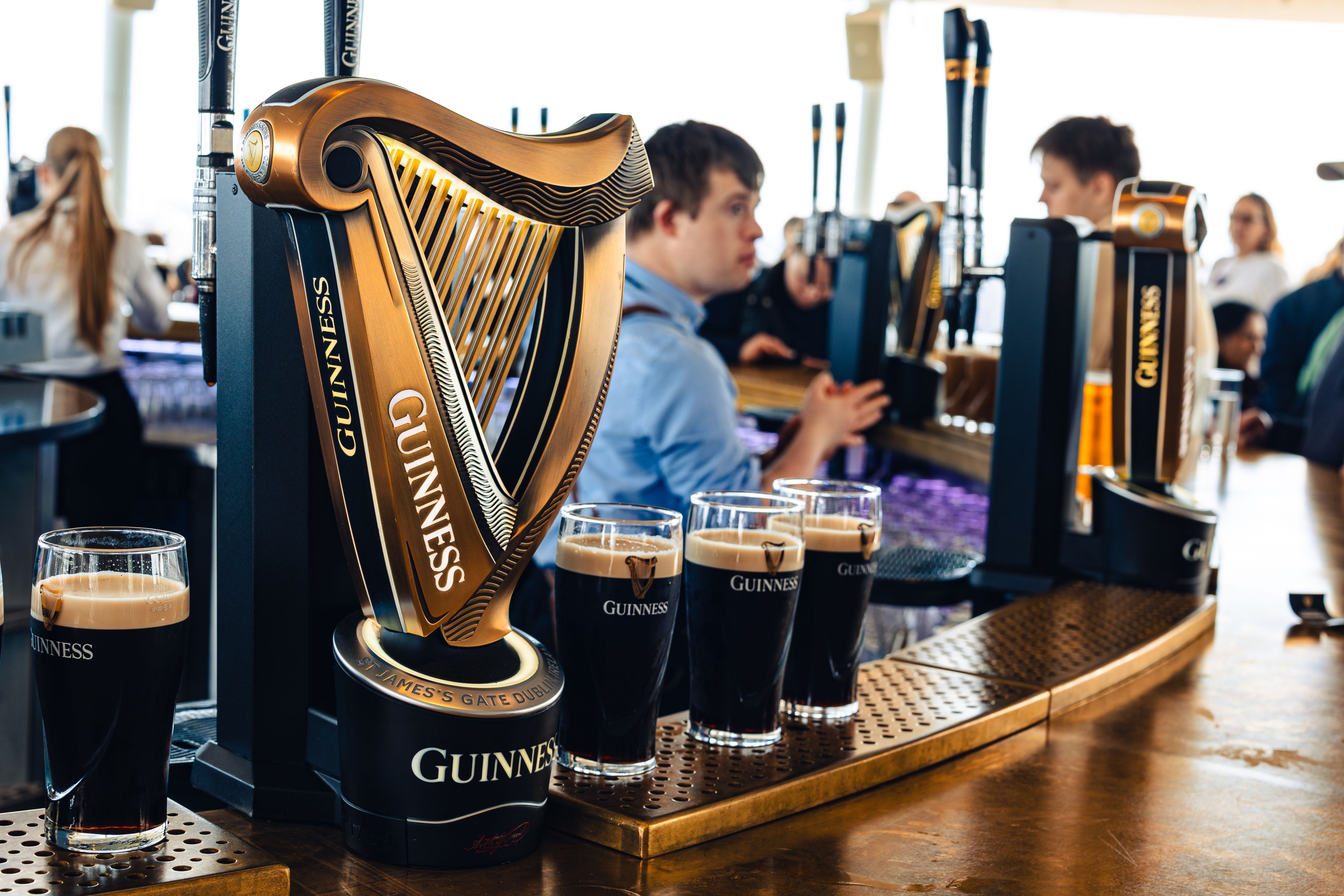
In 1759, 34-year-old Arthur Guinness used an inheritance to buy a 9000-year lease on a disused Dublin brewery for an annual rent of just £45. His harp logo became so iconic that when Ireland separated from the UK in 1922 and wanted to use the same harp as its national emblem, “the government had to face the harp in the other direction to avoid infringing the Guinness trademark.”
Beer won a war
During the Dutch Revolt in the late 1500s, the Spanish had a large, well-trained army funded by American colonies, but their soldiers often went unpaid, resulting in “more than one mutiny per year.” Meanwhile, the Dutch “managed to increase their war budgets by 8.3 percent per year between 1586 and 1600 thanks largely to taxes on beer,” maintaining regularly paid troops without mutinies. “Ultimately, the Dutch defeated the Spanish, in no small part thanks to beer taxes.”
Glasgow opium beer
Professor Andrew Ure, a Scottish chemist, recalled that the amount of opium added to beer sold on early Glasgow paddle steamers was so excessive that he “could have carried out post-mortems on its victims without their realising what was happening.” Brewers weren't shy about exotic adjuncts. They also used ox gall, soot, bark, mushrooms and other questionable ingredients.
The Bass red triangle
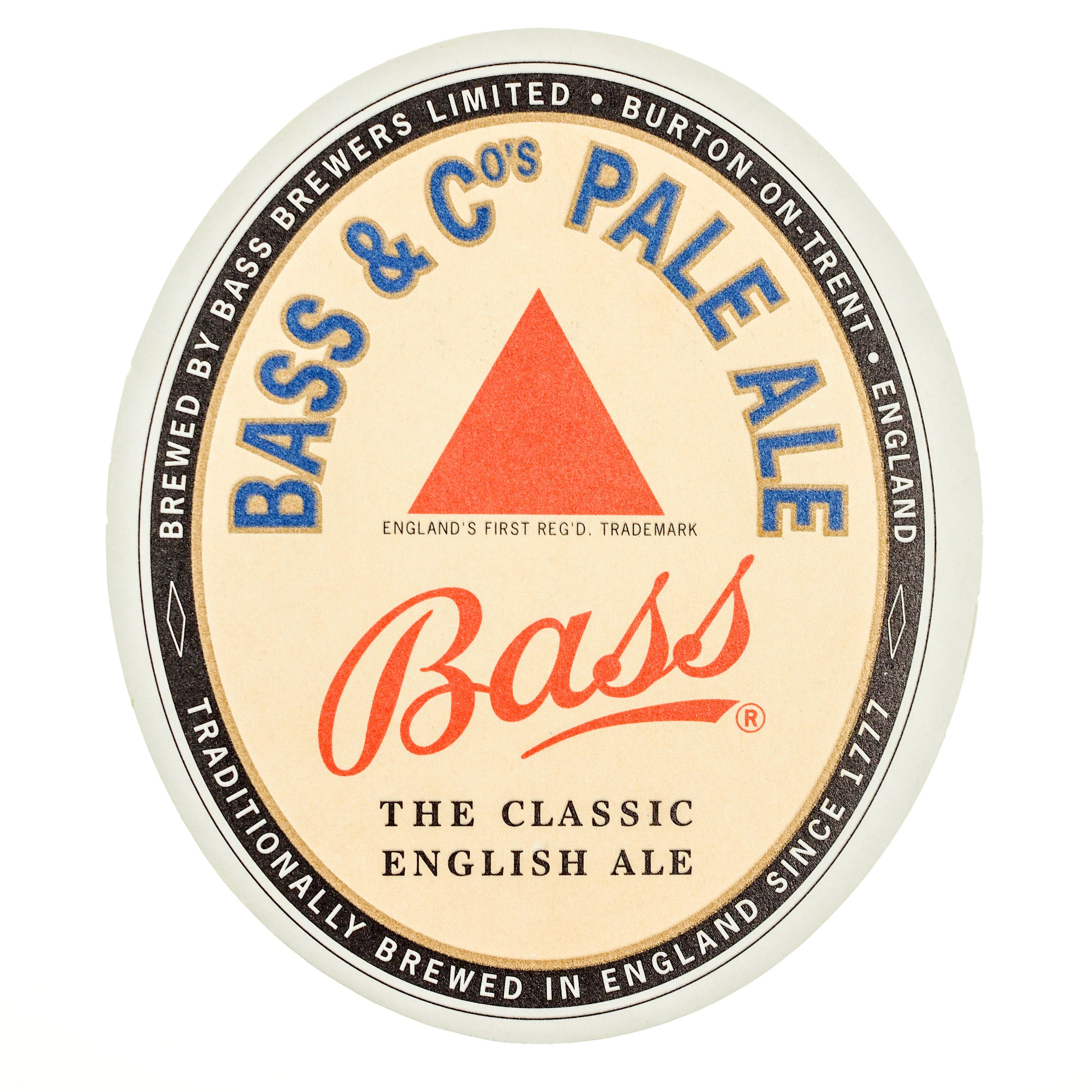
When trademark registration opened in Great Britain on January 1, 1876, a Bass Brewery employee was reportedly sent to queue overnight to secure the very first trademark registration the next morning. The Bass red triangle became so iconic that it appeared in famous paintings including Édouard Manet's A Bar at the Folies-Bergère (1882) and even caught the attention of James Joyce's character Bloom in Ulysses.




I’d give my right arm for a drink
In 13th century Aix-la-Chapelle in France, tax collection methods were brutal but effective: “brewers having their right hands cut off if they didn't pay their taxes.”
Seven kegs and a goat
The tax for burying a body in ancient Mesopotamia was "seven kegs of beer, 420 loaves, two bushels of barley, a wool cloak, a goat, and a bed presumably for the corpse,” according to historian Tania Sherlach. Beer taxes pre-dated coins and money – people paid their taxes in beer itself, making it one of humanity's oldest forms of taxation.
Weighty problem for light beer
Joseph L Owades invented light beer in the 1960s by adding an enzyme that converted all starches into alcohol, then diluting it with water. However, his Gablinger's Beer flopped, partly due to a TV ad “showing a man with the girth of a sumo wrestler shovelling spaghetti into his mouth and downing a Gablinger's.” As Dr Owades later lamented, “Not only did no one want to try the beer, they couldn't even stand to look at this guy!”
Beer built the pyramids
Beer wasn't just a beverage in ancient times, it was an essential energy drink that enabled massive infrastructure projects. Workers who built the Egyptian pyramids and labourers during the Industrial Revolution relied on beer as a crucial source of calories and nutrition, making it arguably one of civilisation's most important fuels for progress.
It’s all Dutch to us
A Dutch brewery successfully defended its “Bavaria” trademark in Australia on the grounds that the average Australian consumer wouldn't know where Bavaria is or that it's even a place name. The court ruled they “might just as well think it was in Holland, or they would at worst not make anything of the term.” This allowed the Dutch to prevent even German Bavarian brewers from using the term – a decision that “may no doubt be seen as a poor reflection on Australia's geography teachers.”
Beer comes in from the cold
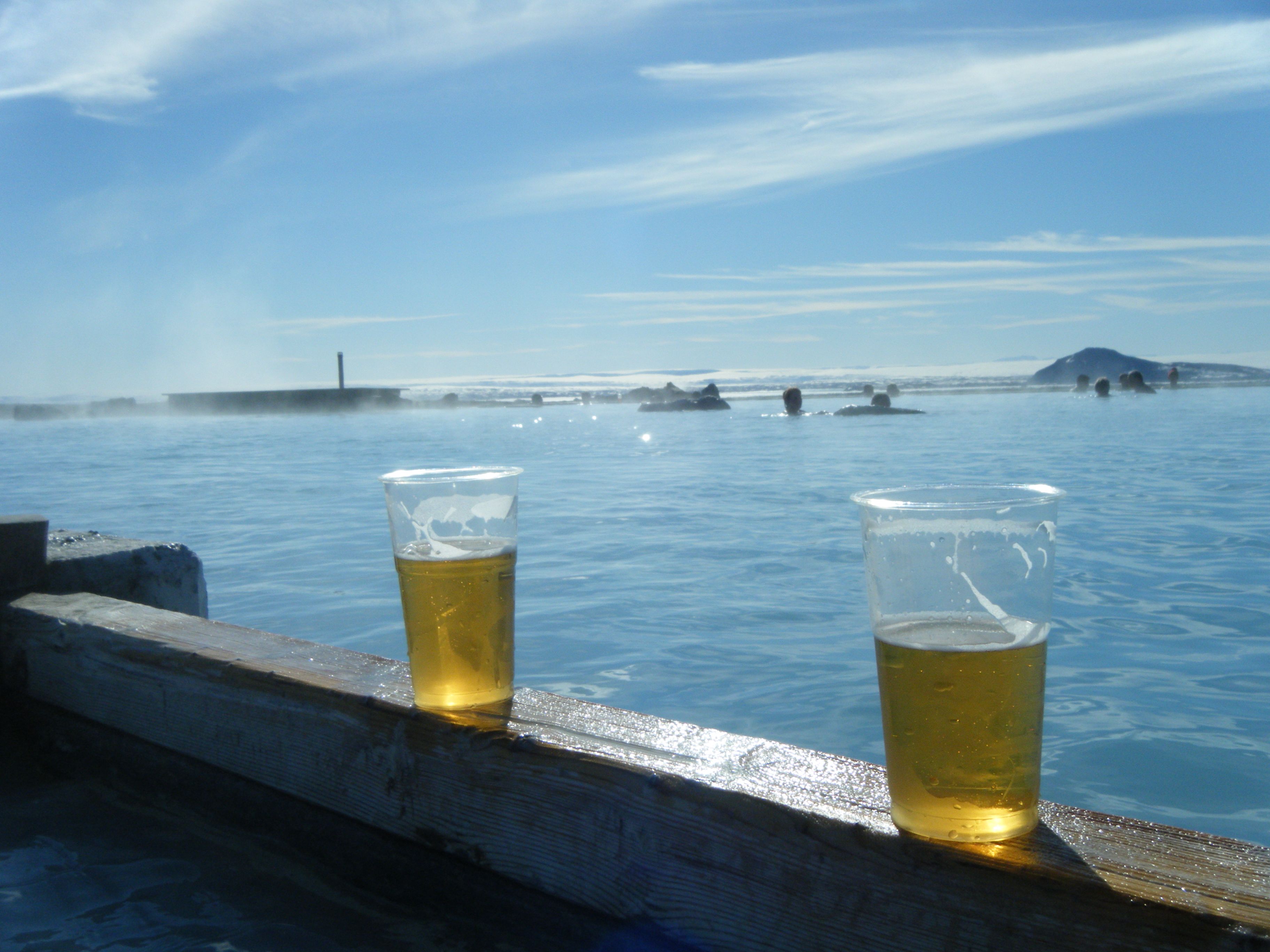
Beer was completely banned in Iceland from 1915 until March 1, 1989. Its legalisation is now celebrated annually as Beer Day, marking the end of decades of strict prohibition.
Hop thieves beware
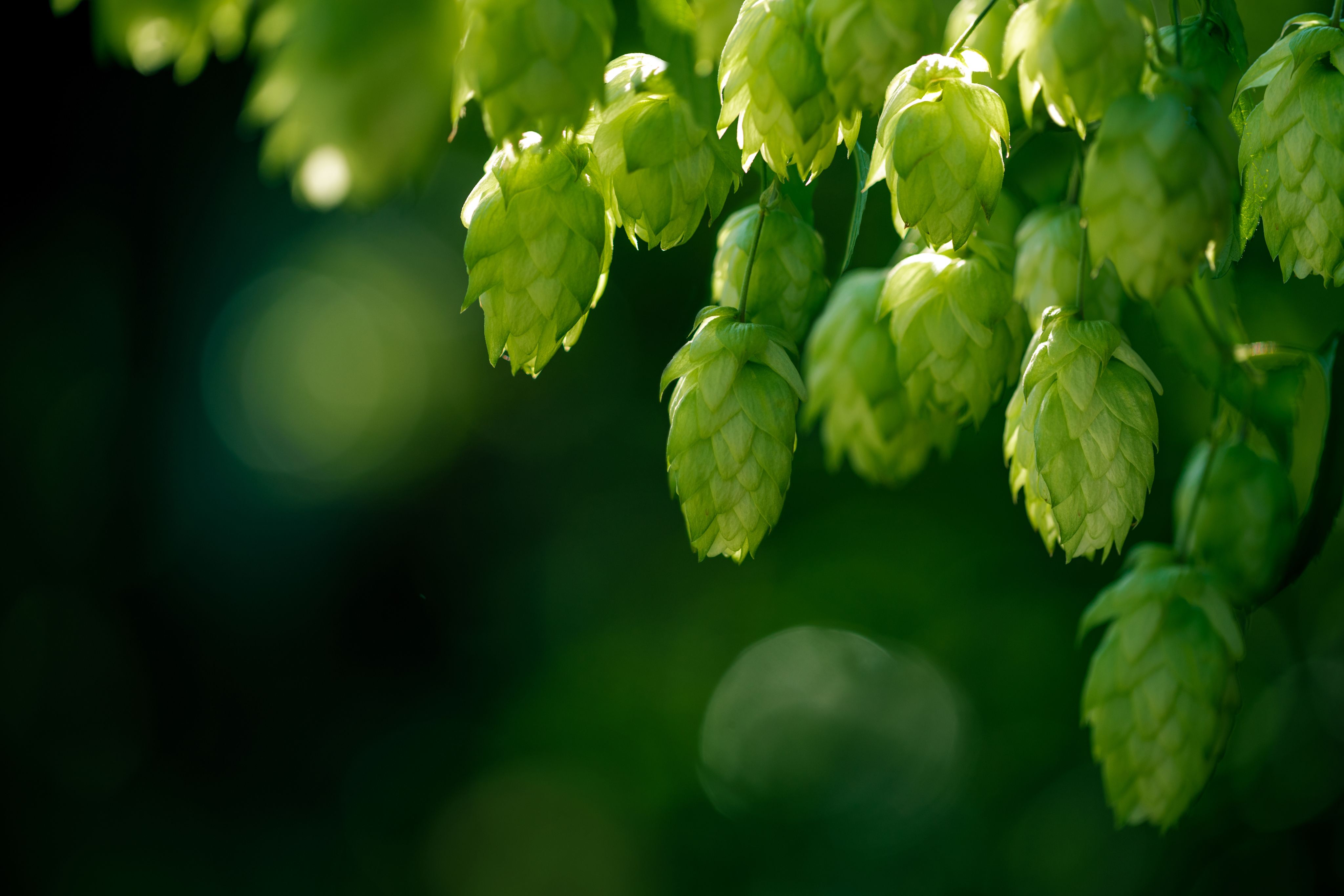
Local varieties of hops were considered so unique and essential to the Czech beer economy that “various hops sapling export restrictions, including those enforced by capital punishment, applied from the early Middle Ages until the nineteenth century.”
Toxic ban to tasty brew
In 1816, the British government prohibited all ingredients for colouring beer due to health concerns about toxic additives. This forced brewers to find natural alternatives, leading Daniel Wheeler to patent a method of roasting malt like coffee. Companies like Guinness adopted this roasted barley, which gave their stout its distinctive dark colour and the characteristic coffee and chocolate flavours.
No garden, No biergarten
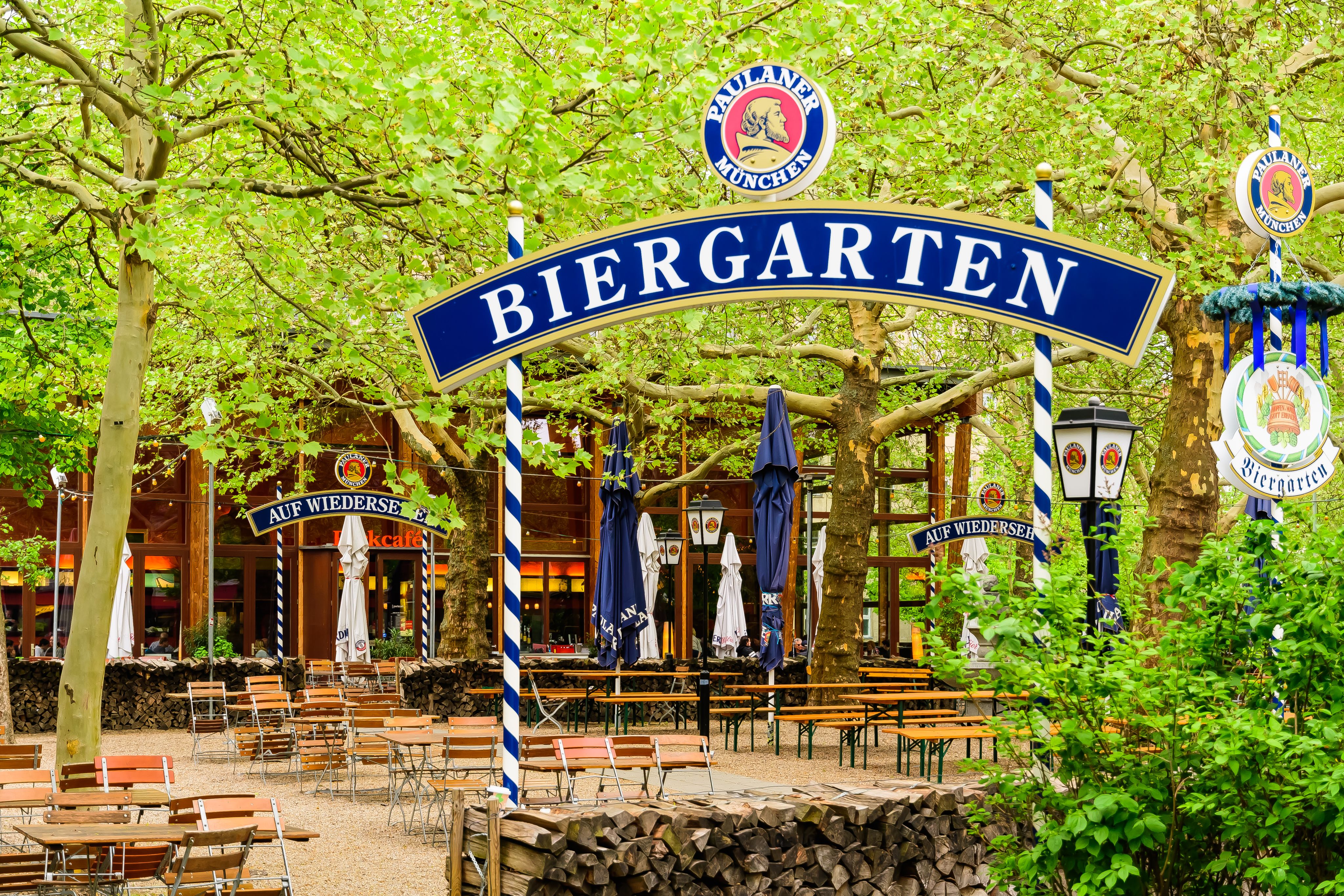
According to Bavaria's Beer Garden Regulation, a true Biergarten must have two special features: a garden character with actual greenery (not just a yard surrounded by buildings), and a special way of operation, such as allowing customers to bring their own food (Brotzeit) and having a separate beer dispenser from the main restaurant.
Boozy monks ban
At the oldest Czech monastery of Břevnov, which still brews beer to this day, the monks became so captivated by the amber liquid in the 11th century that Bishop Vojtěch had to temporarily ban them from brewing and drinking it altogether to restore their focus on spiritual affairs.
Shaky start to strong finish
The Huyghe brewery in Belgium named one of its beers Delirium Tremens (8.5 percent) after the tremors experienced by alcoholics during withdrawal. The beer was removed from stores in the US because its reference to alcoholism was considered contrary to law, but it was later awarded Best Beer in the World at the World Beer Championships in Chicago in 1997.



Barefoot and buzzed
At Dulle Griet, a bar in Ghent, customers drinking the house beer must surrender their shoes, which are then placed in a basket and pulled up to the ceiling. The basket only comes down after the drinking session ends and the glasses are returned. This creative solution to glass theft has become a tourist attraction.
I fall, therefore I am
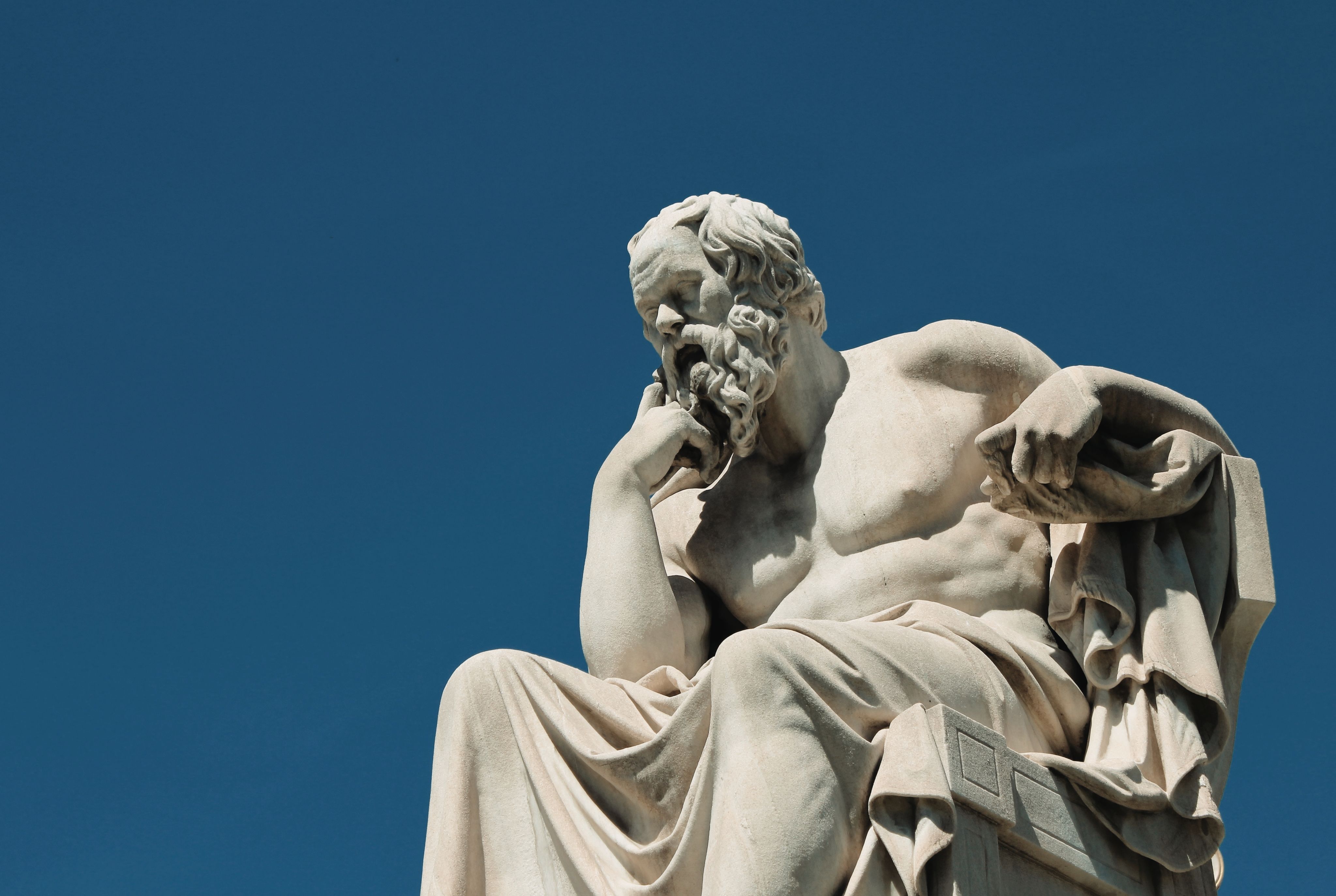
The ancient philosopher Aristotle observed that different alcoholic drinks caused different types of drunkenness. “Men who have been intoxicated with wine fall down face foremost, whereas they who have drunk barley beer lie outstretched on their backs; for wine makes one top-heavy, but beer stupefies.”
The Miller voodoo doll
In the US, the competition between Anheuser-Busch and Miller Brewing Company resulted in battles in the courts, media and the Federal Trade Commission. It allegedly got very personal, with Miller's president keeping a voodoo doll with the name “August” (after August Busch) in his office. This rivalry included accusations of deceptive advertising and dubious business practices on both sides.
Norwegian yeast can handle the sauna
Kveik yeast is unusual because it can ferment at temperatures above 40C without producing off-flavours, unlike most ale yeasts. This allowed Norwegian brewers to produce farmhouse ales consistently, even in warm or variable conditions. Its resilience contributed to the distinctive character of traditional Norwegian beers and made them prized beyond Norway.
Breakfast of champions
In medieval Germany, beer was not only a drink but also an important source of nutrition, earning it the nickname “liquid bread”. Monks could consume up to five litres daily, and beer soup made from bread, butter, spices and beer was a common breakfast. Its low alcohol content and germ-free nature made it safer than water, while low-grade grain used in brewing provided sustenance during famines.
Hell yeah
Three German businessmen created a beer brand combining “Fucking” (a small Austrian village with 93 inhabitants) and “Hell” (German for pale lager). After initial rejection, the EU appeals board ruled that “Fucking Hell” was acceptable, stating: “It cannot even be understood as an instruction that the reader should go to hell.” The Court noted that combining place names wasn't reprehensible “even if that combination had different meanings in other languages.”
Professors pick their pints
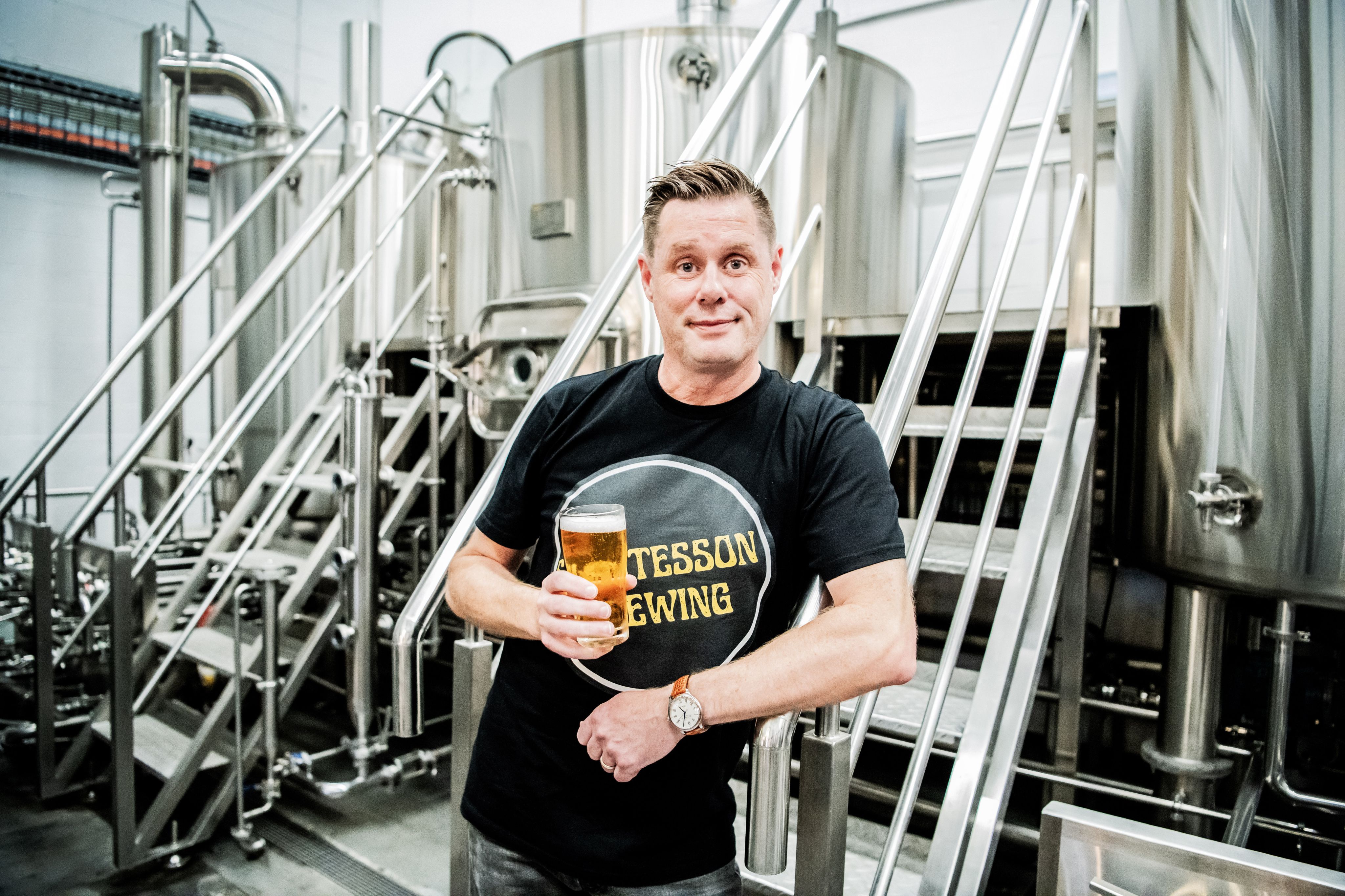
Professor Dan Jerker B. Svantesson at Madocke Beer Brewing Company. Picture: Cavan Flynn
Professor Dan Jerker B. Svantesson at Madocke Beer Brewing Company. Picture: Cavan Flynn
Professor Svantesson said being asked to name his favourite beer was like being asked to choose a favourite child – “it’s impossible.”
“Beer depends a lot on context,” he said. “A Pacific ale is hard to beat on a sunny Gold Coast day. A Czech pilsner is great anytime anywhere, and I like German amber lagers like märzen with food. Then again, I never say no to a strong Belgian golden ale.”
Fellow authors Professor van Caenegem and Professor Alain Strowel hail from beer nirvana Belgium. They favour Orval, an abbey beer brewed in the south of Belgium, Professor van Caenegem said.
“The managing director of this famous brewery wrote a foreword for the book, and will be present at the Belgian book launch at a beer museum in Brussels,” Professor van Caenegem said.
Published Wednesday, 3 December, 2025.

Prof Dan Svantesson

Prof William Van Caenegem

Anthea Gerrard
Original thinking direct to your inbox

Stories from Bond