
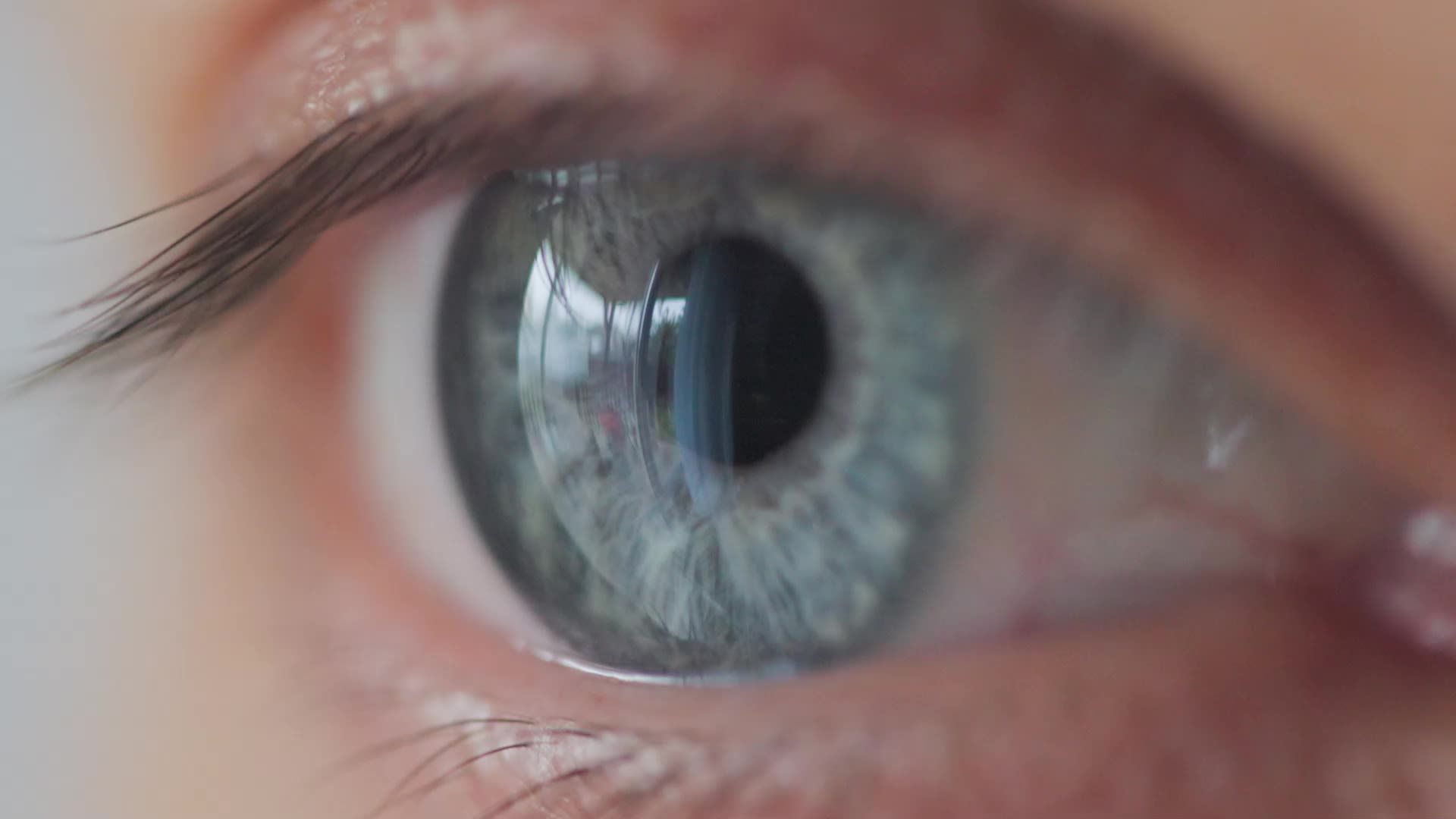

Based at the Clem Jones Centre for Regenerative Medicine at Bond University, PhD candidate Neil Josen Delos Reyes is researching new medicines to help treat age-related macular degeneration (AMD), a common eye condition that causes vision loss. He was runner-up in the Virtual Asia-Pacific 3-Minute Thesis final with a presentation that makes complex science clear and engaging.


Neil, where did you grow up, and what were you like as a student?
I grew up in the Philippines and I've always been the academic type, doing maths, the sciences and English. And I’ve always had an affinity for public speaking in some way, shape or form. I moved to Cairns at 17 to attend Cairns State High School. I was excited by the idea of having an international education. My family told me that, if at the end I wanted to go back to the Philippines, then I'd still have had an amazing experience. I was lucky that my great aunt has been living in Cairns for more than 30 years, so I was still speaking Tagalog and eating Filipino food at home.
How did you end up choosing Bond University?
I remember very specifically attending a university showcase and speaking to a Bond representative about what might work best for me as an international student. I had pushed myself to have the best grades that I could get, and I was able to get a scholarship to Bond.
What were your career goals back then?
When I moved to Australia, in my head, I was going to be doing medicine, becoming a doctor and all of that. But when I started studying biomedicine, some of my professors inspired me to follow their route of going into medical education. I pretty much followed the career path of Dr Iris Lim who also did her undergrad here at Bond, followed by a Masters, followed by a PhD. I thought that was something I would like for myself as well.
How did you get into AMD research?
After I finished my Masters, I wanted to expand my chemistry to something aligned to our stakeholders, and that was when I got into a conversation with the Clem Jones Centre for Regenerative Medicine. They spoke about their projects and I mentioned that I had a chemistry background. They were doing hybrid drug research as a potential treatment for AMD, also working with QUT. I thought that that would be a good way for me to expand my networks as well. It was during my PhD where I gained an appreciation for the work that I'm doing and its importance to people with AMD.
AMD research is booming globally. What’s it like working in such a competitive field?
What I've learned at the Clem Jones Centre for Regenerative Medicine is they value collaboration more than anything. Yes, everyone is trying to get a better treatment. Even within the centre we have different approaches to treating AMD. We have stem cell research, vision science, and pharmacotherapy research that I’m undertaking. So there's a lot of different ways that we can approach it, but what we're doing is trying to synergise them and put them together. We are always open to working with other universities and research groups across the world because the pressing issue is that there aren't a lot of reliable treatments. So there is this competition that's driving all of us to be better, but it’s not like we’re breaking each other down.


How long will your PhD take?
It will take four years and I’m more than halfway through. My expected finish date is around August 2027. I'm learning the value of taking my time because I’ve grown up as someone who appreciates instant gratification, but research doesn’t work like that. I came into my PhD with just my chemistry knowledge, but there’s a big biology component to my project and that's definitely been a steep learning curve.
What comes after your PhD?
During my PhD confirmation, one of the big comments that stuck with me was that I have a good future in science communication. I’ve taken up a lot of teaching opportunities and that really increased my science communication skills and motivated me to enter the Virtual Asia-Pacific 3-Minute Thesis competition. Being able to translate really difficult concepts – it feels like a superpower. It also helps me remember the things I’m learning.
What about life outside work?
My voice is a big part of my science communication, and outside of work I also like to use my voice. I recently joined Vox Choir at Bond, and that has been so much fun. I have no background in music whatsoever, but we have a musical director who's really passionate about teaching people how to learn music. I also love my food – cooking for other people and cooking for myself. On the Gold Coast, one of the first Filipino restaurants I discovered was Kubo’s Bar and Grill at Southport. I celebrate every birthday there, and I always take the chance to introduce my friends to Filipino cuisine.
Published Wednesday, 17 December, 2025.
Original thinking direct to your inbox

Stories from Bond