
Turning
the tide
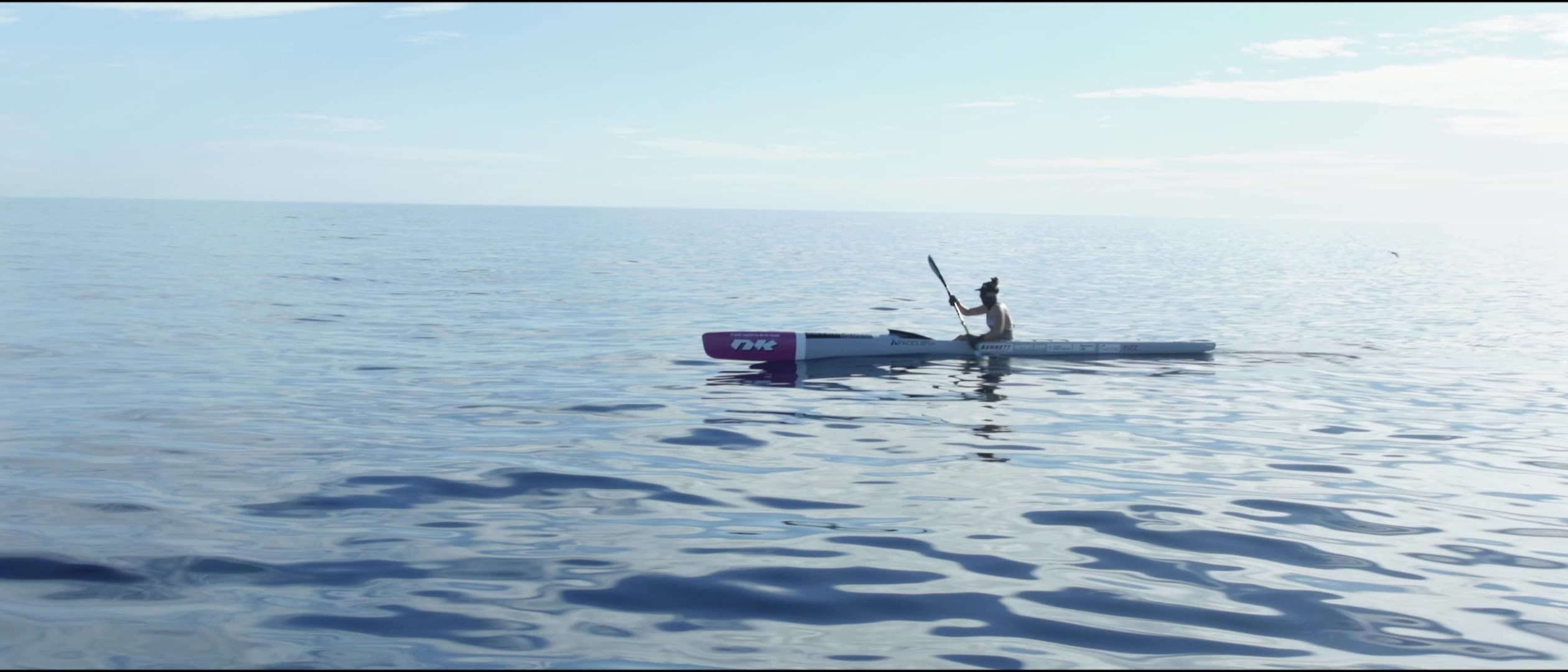
Bonnie paddled around Australia. Sharing her adventure inspired her to tell more stories

Turning
the tide
Bonnie paddled around Australia. Sharing her adventure inspired her to tell more stories
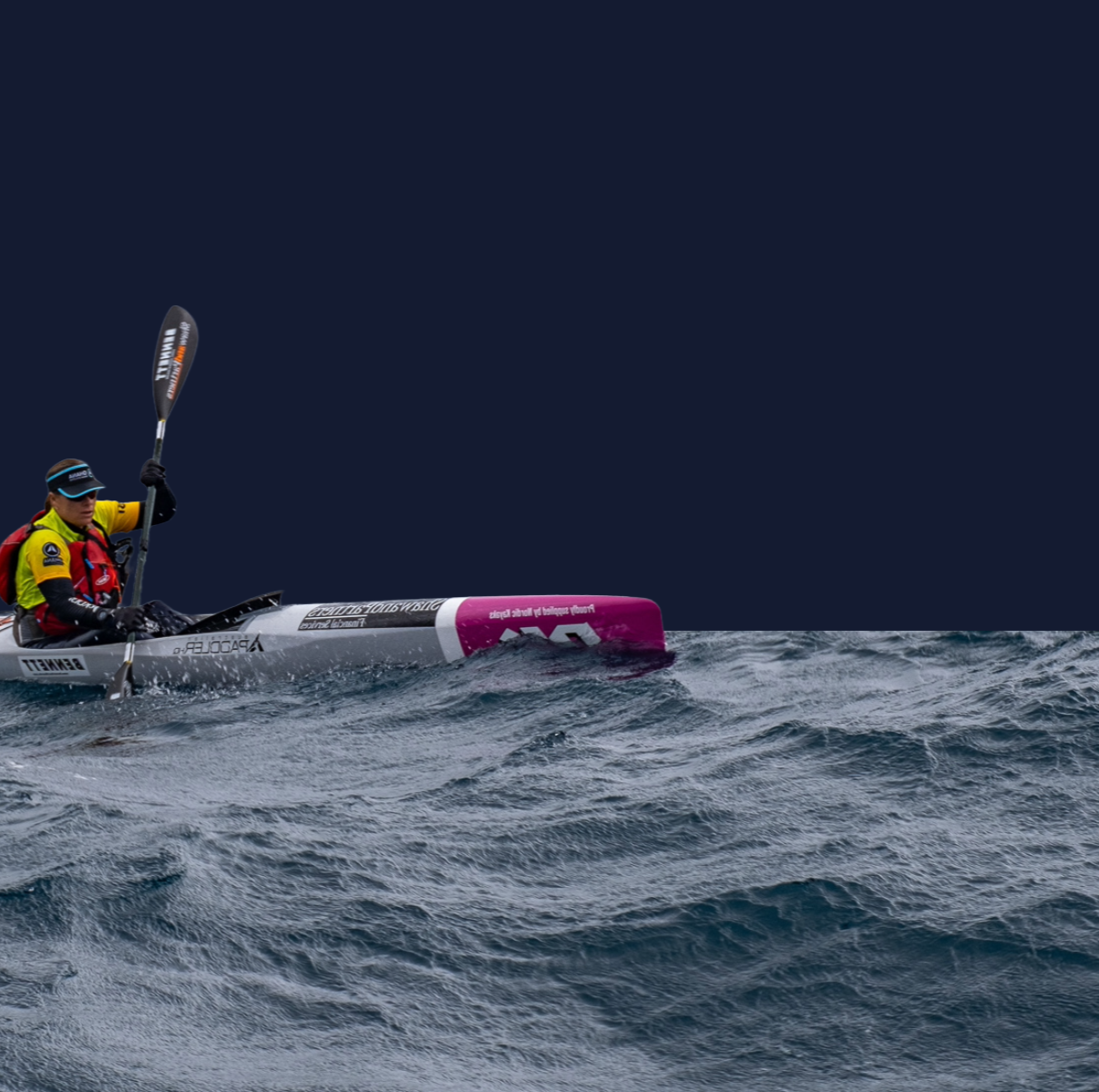
When Ironwoman-turned-ocean paddler Bonnie Hancock set off from Mermaid Beach in 2022, she was so nervous about a pre-arranged television interview she completely forgot to make sure the rudder pedals her ocean kayak were set to her size.
“I got in and couldn’t touch the pedals,” she says.
“I've got like hundreds and hundreds of people on the beach. I've got media filming the whole thing. And I get into my ski and I'm completely straining to reach the pedal.
“I'm thinking, ‘oh my God, I can't even turn.”
The takeaway? “Always check your gear!”
It was the first of many lessons Bonnie took on board over the course of her 27,000 kilometres paddling adventure.
For 254 gruelling days she endured sharks, crocodiles, howling headwinds, hypothermia, excruciating pain, seasickness, and severe fatigue to become the fastest paddler ever to circumnavigate Australia, the first Australian woman to do so, and the youngest person to ever complete the feat.
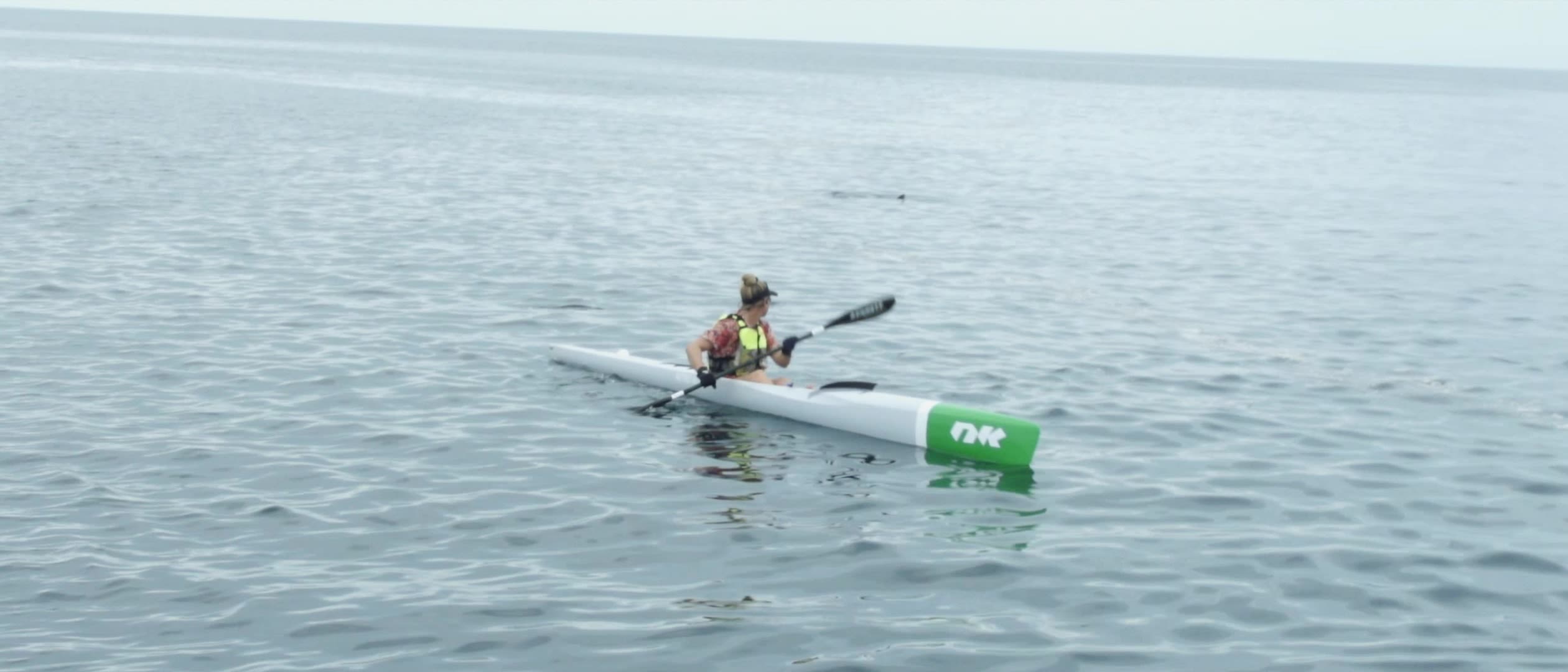


Telling her extraordinary story inspired her to study a Bachelor of Journalism at Bond University. She speaks to Matt Webber, host of Bond’s Sport by Experts Podcast here:
Here’s what else Hancock learned.
Fear should inform you, not stop you
Hancock spent months researching before abandoning her dream altogether.
“It was too much,” she admits. “I closed the laptop and thought ‘I’m not doing it’.”
But soon enough, the pangs started to build.
“I had this vision of being an 80-year-old woman who hadn’t done the paddle, and it made me feel sick with regret,” she says. “That’s when I knew I had to go all in.”
The fear didn’t disappear. It just took a moment to find the right target.
“I realised the risk of not doing it was going to be worse for me than the risks I took out there every day.”

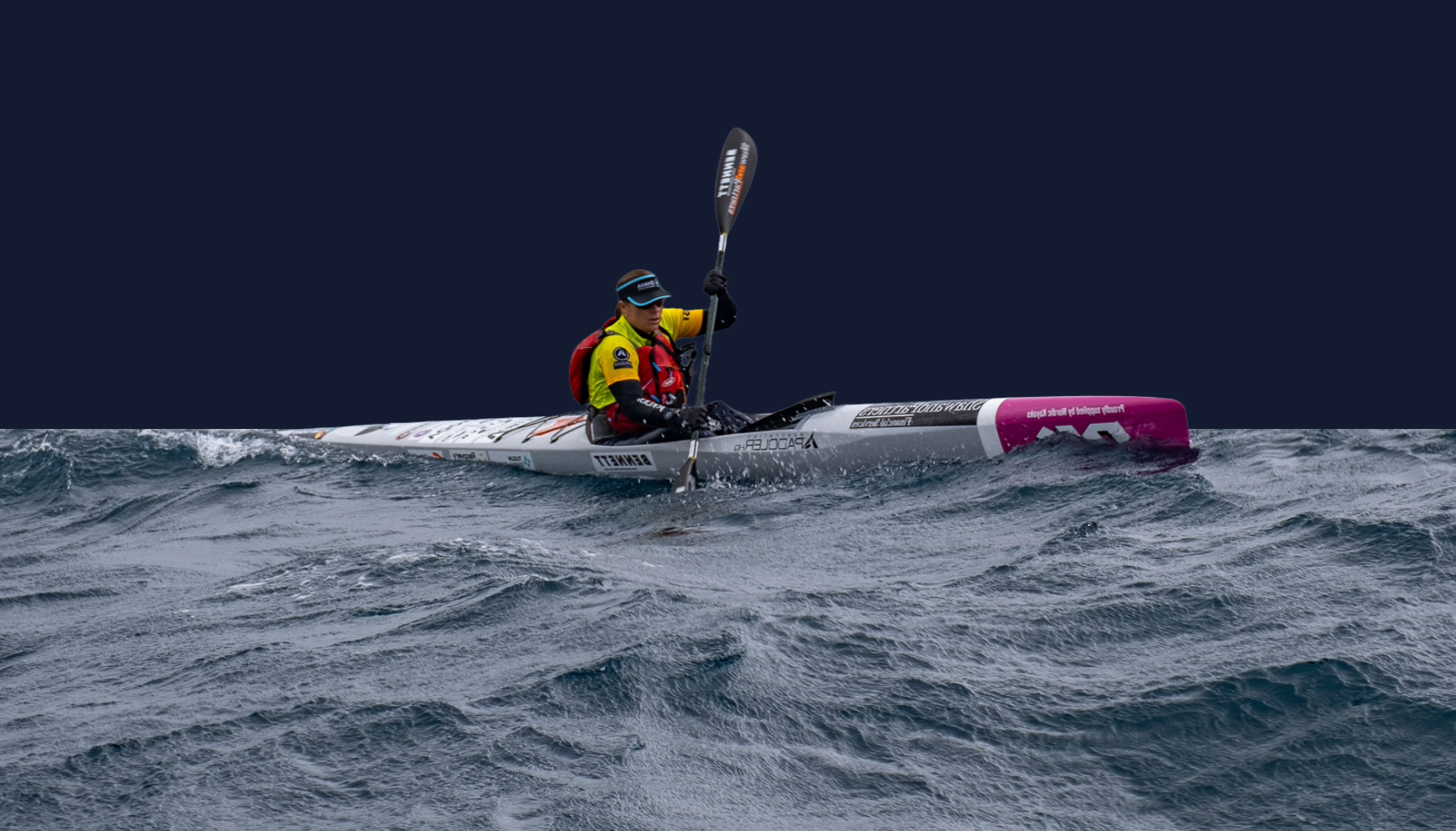
“I realised the risk of not doing it was going to be worse for me than the risks I took out there every day.”
Hard work beats talent

Hard work beats talent
Despite her elite sporting résumé, Hancock rejects the idea she’s naturally gifted.
“I don’t think I’m particularly talented,” she says. “I’ve just always worked really hard.”
Physically smaller than many of her surf-lifesaving competitors and a genuine latecomer to ocean paddling, she spent years tumbling off her ski, swimming after it, and losing multi-discipline races when she was in a position to win because her skills on the ski weren’t up to scratch. She kept plugging away, though.
“I’ve had to work bloody hard for every single thing I’ve ever gotten,” she says.
Despite her elite sporting résumé, Hancock rejects the idea she’s naturally gifted.
“I don’t think I’m particularly talented,” she says. “I’ve just always worked really hard.”
Physically smaller than many of her surf-lifesaving competitors and a genuine latecomer to ocean paddling, she spent years tumbling off her ski, swimming after it, and losing multi-discipline races when she was in a position to win because her skills on the ski weren’t up to scratch. She kept plugging away, though.
“I’ve had to work bloody hard for every single thing I’ve ever gotten,” she says.
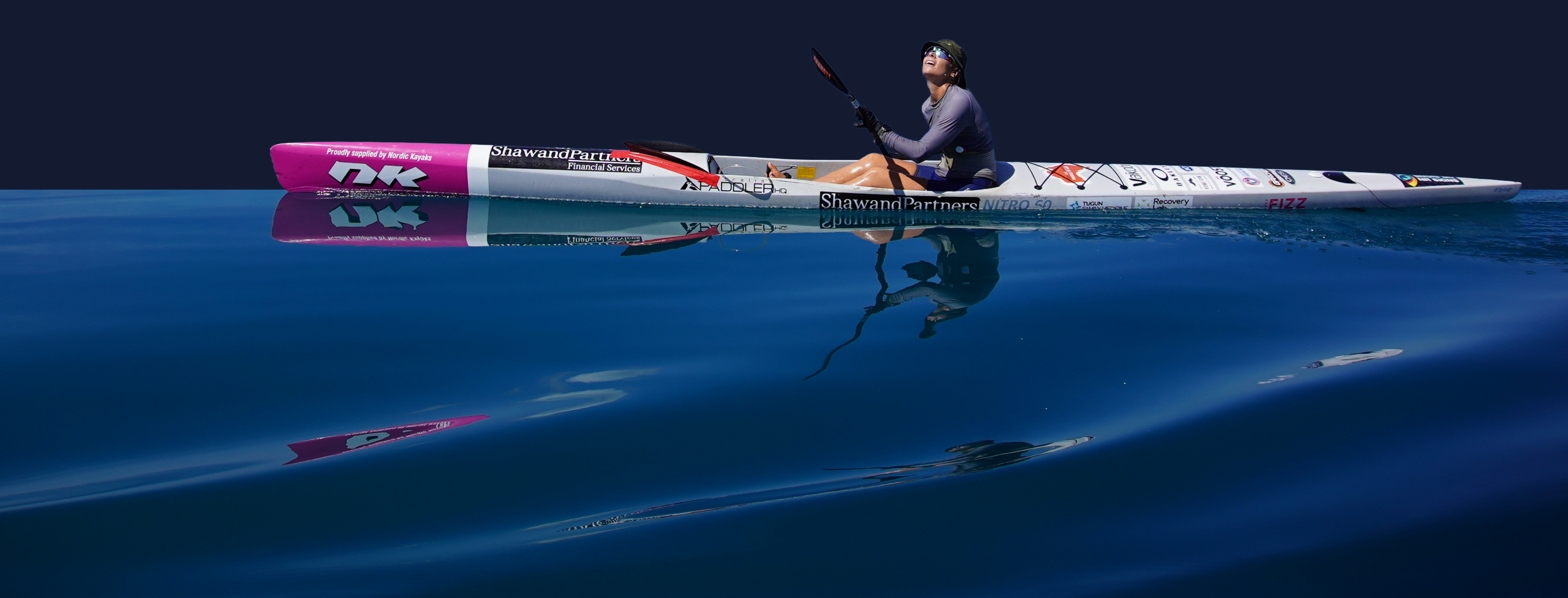
“And as an ultra-endurance athlete, that’s actually a huge strength.”
You must listen
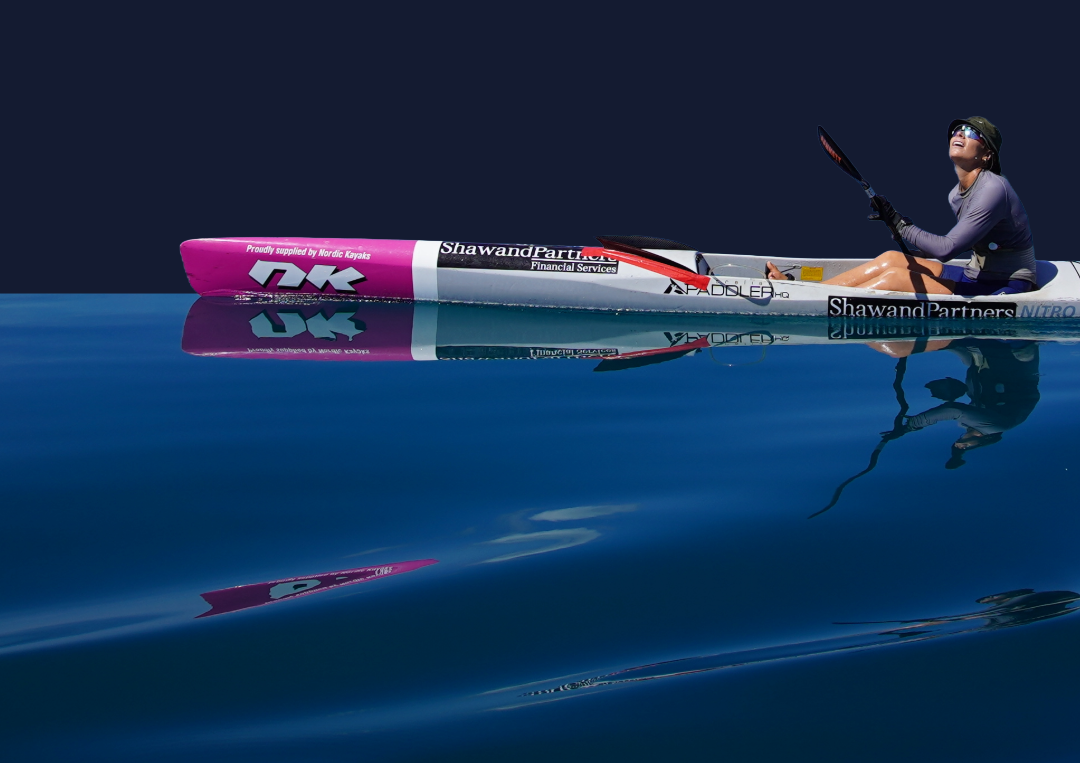
You need to stay humble, Hancock says. She uses a conversation she had with an eminent meteorologist during the planning stages of her journey to illustrate.

“And as an ultra-endurance athlete, that’s actually a huge strength.”
You must listen
You need to stay humble, Hancock says. She uses a conversation she had with an eminent meteorologist during the planning stages of her journey to illustrate.

His advice changed the entire expedition.
Veteran weather guru Sir Roger Badham advised Hancock to paddle clockwise — against tradition — to take advantage of the East Australian Current.
“He said, ‘You’re trying to break a world record. Why would you do things as they’ve always been done?’”
Hancock took it all on board and rejigged her entire itinerary.
“Because of his advice, I had a three-week buffer by the time I reached the bottom of the country.”
In the end, it offered a significant advantage.
Keep moving in a crisis
In the dark of night, a fierce wind blowing, and five hundred kilometres offshore in the Great Australian Bight, Hancock was thrown from her ski.
“I couldn’t get back in,” she recalls.
“I remember thinking, if something’s going to take me, it’ll take me now.”
Her body temperature began to drop. She could feel herself failing physically.
“But then I thought — I can’t paddle, but I can swim, so I did,” she says. “I kept moving forward, pushing the ski as I went.”
The movement kept her warm enough for long enough for help to arrive.
“Whatever situation you’re in,” she says, “you can always do something.”
Resilience is built long before you need it
In the end, years of falling off skis as a teenager probably proved invaluable. Those early struggles taught her persistence under pressure.
“If things had always come easily, I don’t know if I could have done this paddle,” Hancock says.
“As an ultra-endurance athlete, that’s what carries you through.”
Strength includes vulnerability
Although only Hancock may have paddled the kilometres, she rejects the idea of a solo achievement.
“I was vulnerable for eight months,” she says. “Every single day.”
Her crew endured seasickness, exhaustion, and constant danger. “I call them my guardian angels,” she says. “I couldn’t have done it without them.”
The experience reshaped her view of strength.
“It’s okay to rely on others. It’s okay to be vulnerable.”


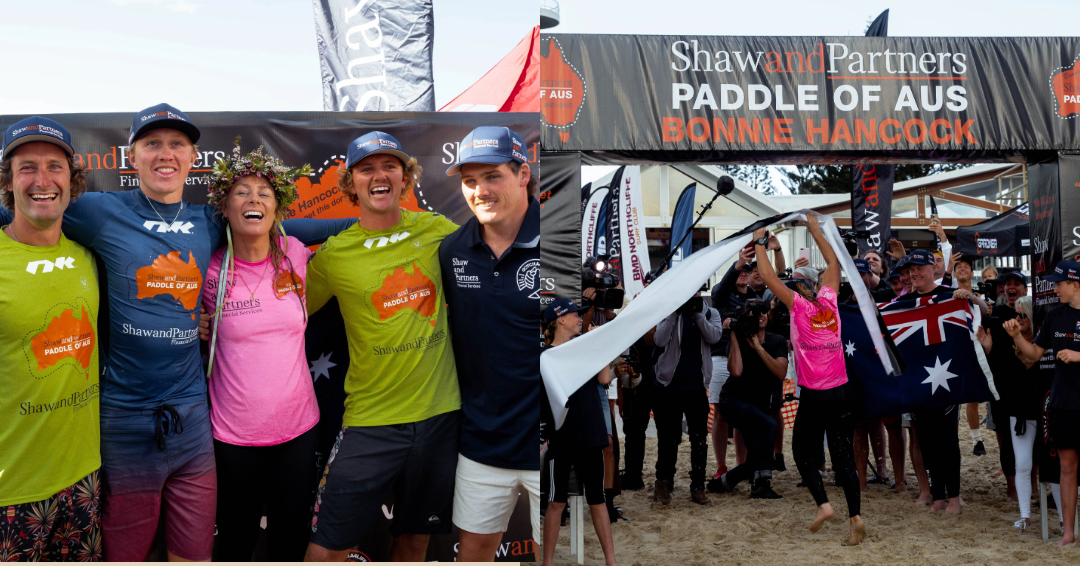
The finish line isn’t the reward
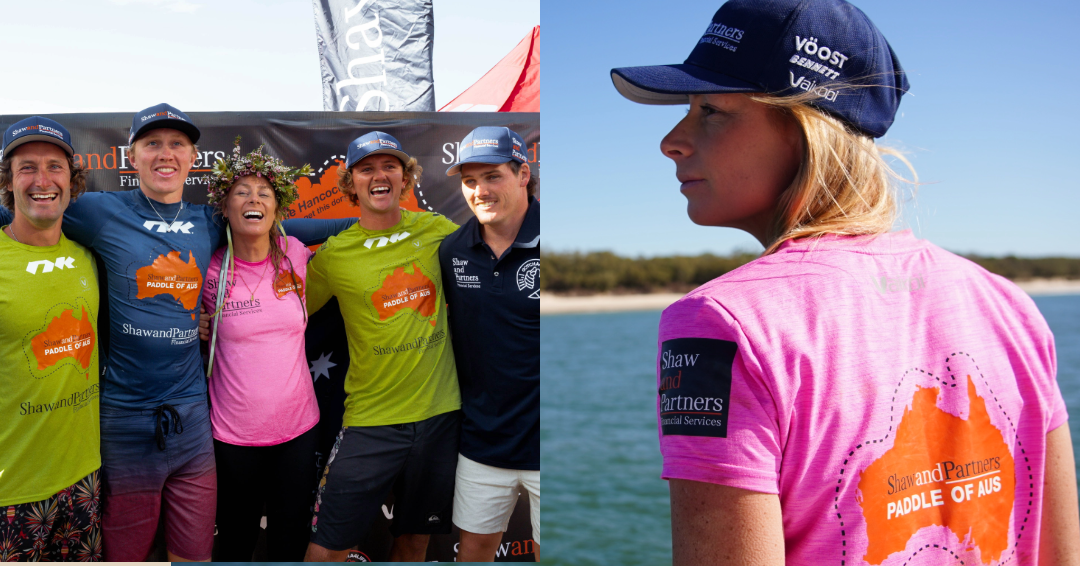
Approaching the final kilometres heading back in towards Mermaid Beach, Hancock expected overwhelming emotion but that never really came.
Instead, she felt perspective.
“I realised I wasn’t going to feel more complete crossing the line,” she says. “The real gifts were the pieces gathered along the way.”
Moments like surviving the Bight, paddling alongside dolphins, high fiving an albatross, or watching sunsets hundreds of kilometres offshore.
“I learned that this was never about the world record,” she says. “That goal simply got me to the start.”
Don’t forget to look right
Paddling clockwise gifted Hancock an surprising metaphor to live by.
“I spent the first month rushing — head down, chasing the record,” she says. “But that’s when I felt weakest.”
Everything changed when she slowed down.
“When I started looking right — noticing coastlines, sunsets, a cliff face, or a cave or a particular rock formation — that’s when I got stronger.”
Her advice now is simple.
“Never miss the opportunity to ‘look right’. There’s always something to be grateful for.”
A changed definition of success
Hancock finished battered but transformed.
“I crossed the line proud,” she says. “But more than that, I was different.”
Now studying a Bachelor of Journalism at Bond University, she measures success in an unexpected way.
“Success for me is sharing other people’s stories,” she says. “That’s the legacy of the paddle.”
And the ocean?
“I still paddle every day,” she laughs.
“It’ll always be my happy place.”

Original thinking direct to your inbox

Stories from Bond