
Staying power
One of Bond's first students is still
part of campus life 37 years on

Staying power
One of Bond's first students is still part of campus life 37 years on.

On a cool March evening in 1989, 21-year-old Mark Kassab stood in a quiet backyard on the Gold Coast, wondering what lay ahead. He had just arrived from Toronto, Canada, where growing up during the 1980s it seemed everyone his age wanted to be a character on Magnum P.I. or Miami Vice.
Mark wasn’t dreaming of Tom Selleck’s Hawaii or Don Johnson’s Miami, although his new home also promised a sun-soaked lifestyle and sparkling beaches. Instead, in just two days, he would become one of Bond University’s first students. He could not have known then how tightly the university would stay wrapped around the rest of his life.


Where Bond began
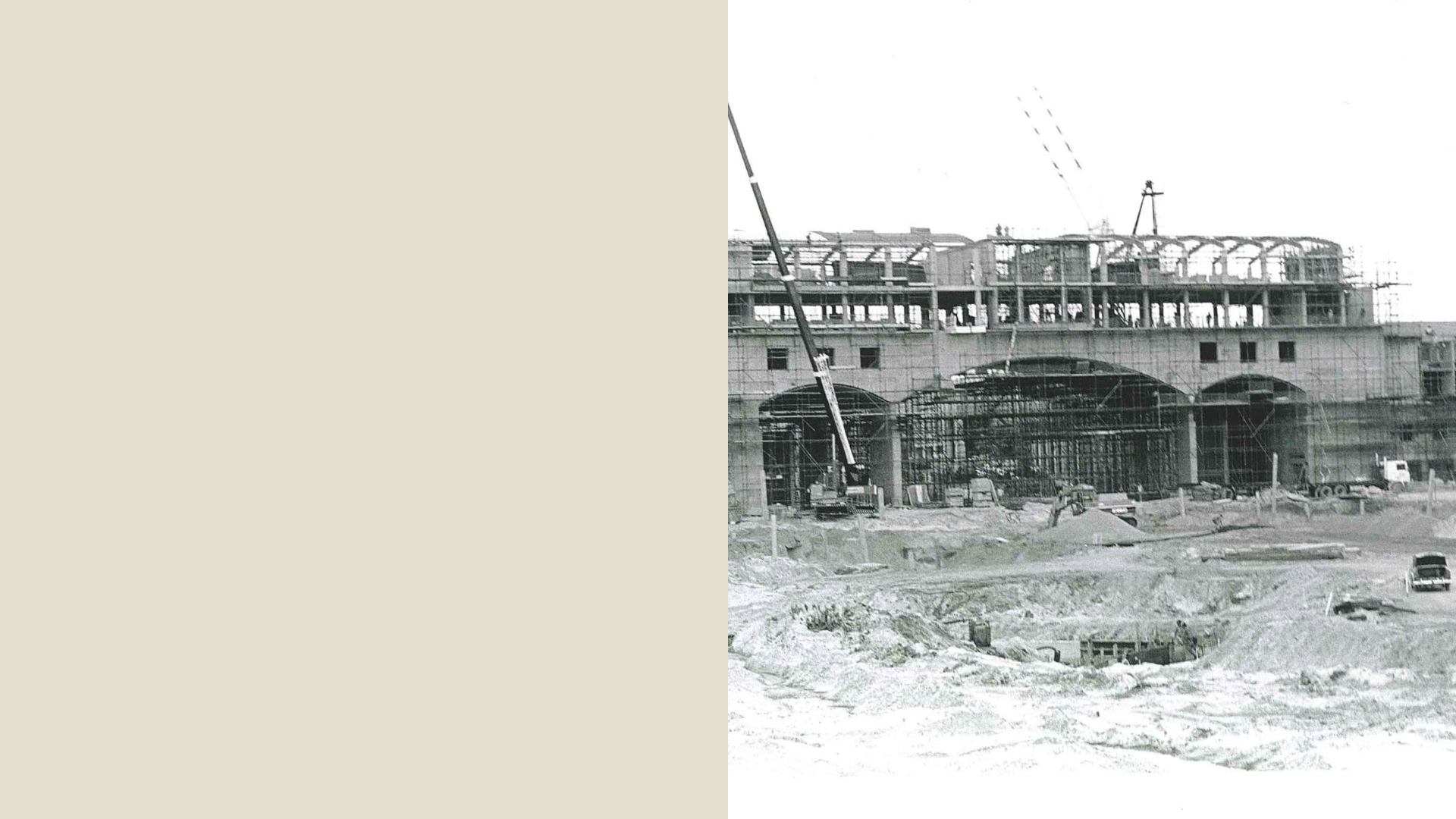
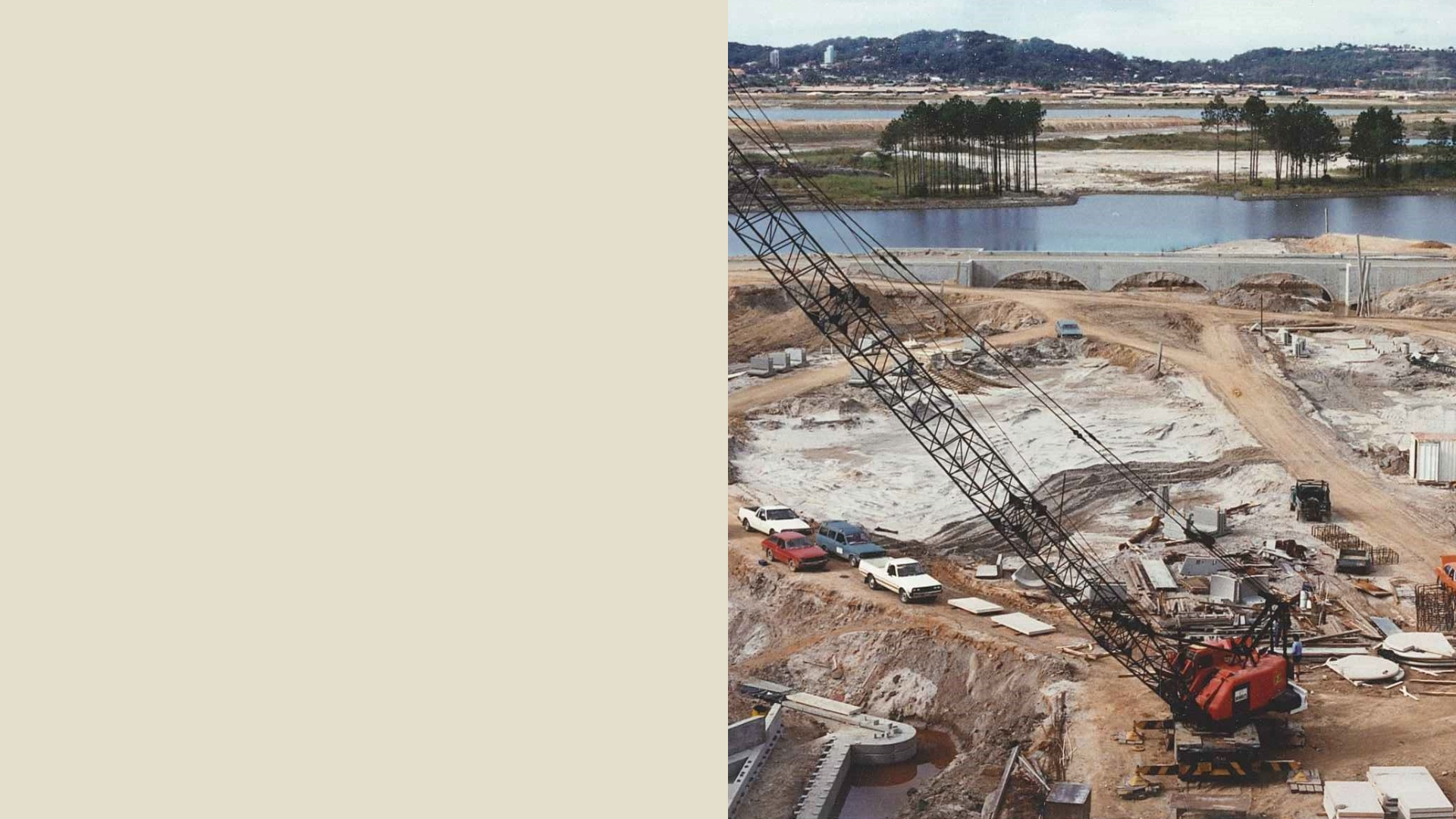
When Mark first stepped onto the unfinished campus at Varsity Lakes, construction workers were unloading trucks and the air smelled of fresh cement. He was among 322 pioneering students who had taken a chance on Australia’s first private university in 1989.
The move to the other side of the world came after his schoolteacher mother and panel-beater father had visited Australia the previous year to attend World Expo 88 in Brisbane. Within months of that visit, they had packed up and moved to the Gold Coast.
An advertising blitz for the city’s new university also caught their eye and, encouraged by his parents, Mark enrolled.
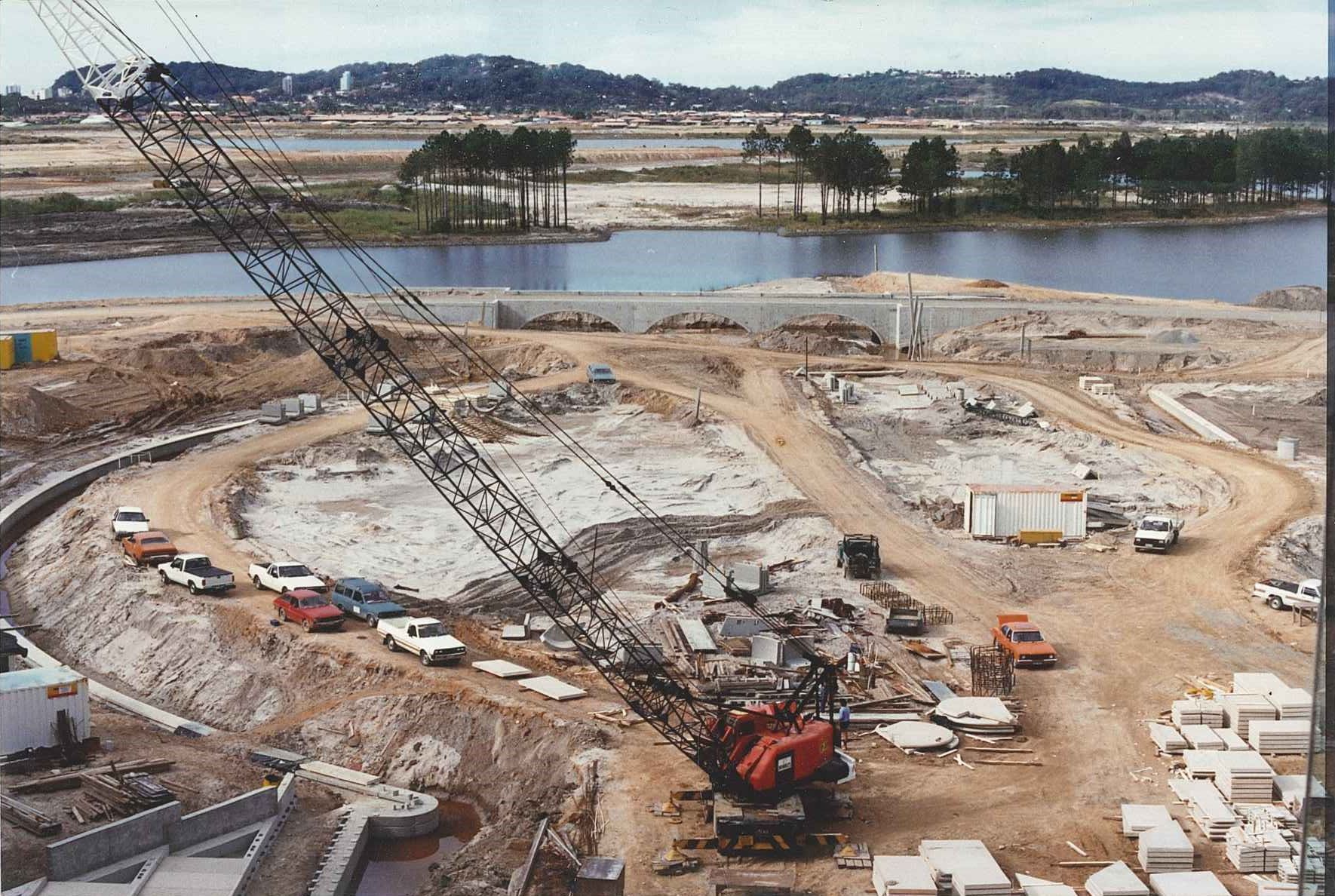
At the time, Bond's first student accommodation, The Blocks, had just been completed, though pavers and steps were missing and the campus’s signature lake had yet to be excavated.
"It was a work in progress when we attended here, which made it more exciting," Mark says.
Where Bond began
When Mark first stepped onto the unfinished campus at Varsity Lakes, construction workers were unloading trucks and the air smelled of fresh cement. He was among 322 pioneering students who had taken a chance on Australia’s first private university in 1989.
The move to the other side of the world came after his schoolteacher mother and panel-beater father had visited Australia the previous year to attend World Expo 88 in Brisbane. Within months of that visit, they had packed up and moved to the Gold Coast. An advertising blitz for the city’s new university also caught their eye and, encouraged by his parents, Mark enrolled.

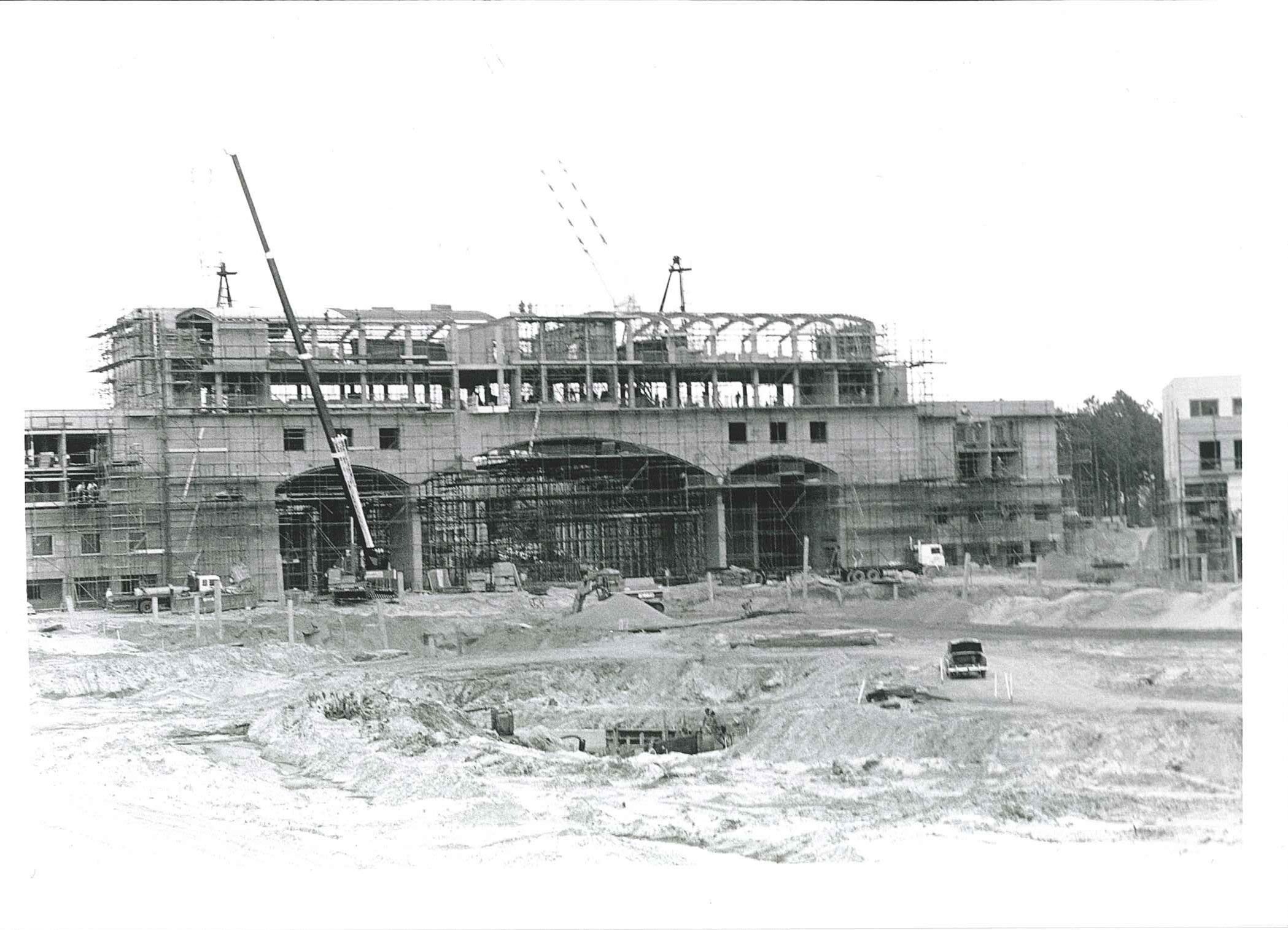
At the time, Bond's first student accommodation, The Blocks, had just been completed, though pavers and steps were missing and the campus’s signature lake had yet to be excavated.
"It was a work in progress when we attended here, which made it more exciting," Mark says.

Student solidarity
Despite the unfinished campus, the students shared a single goal: to make the new university succeed. At a time when other universities and much of the public were sceptical of Bond and the concept of a private university, that shared purpose created a sense of camaraderie.
“It gave us a kind of tight-knit solidarity,” he says.

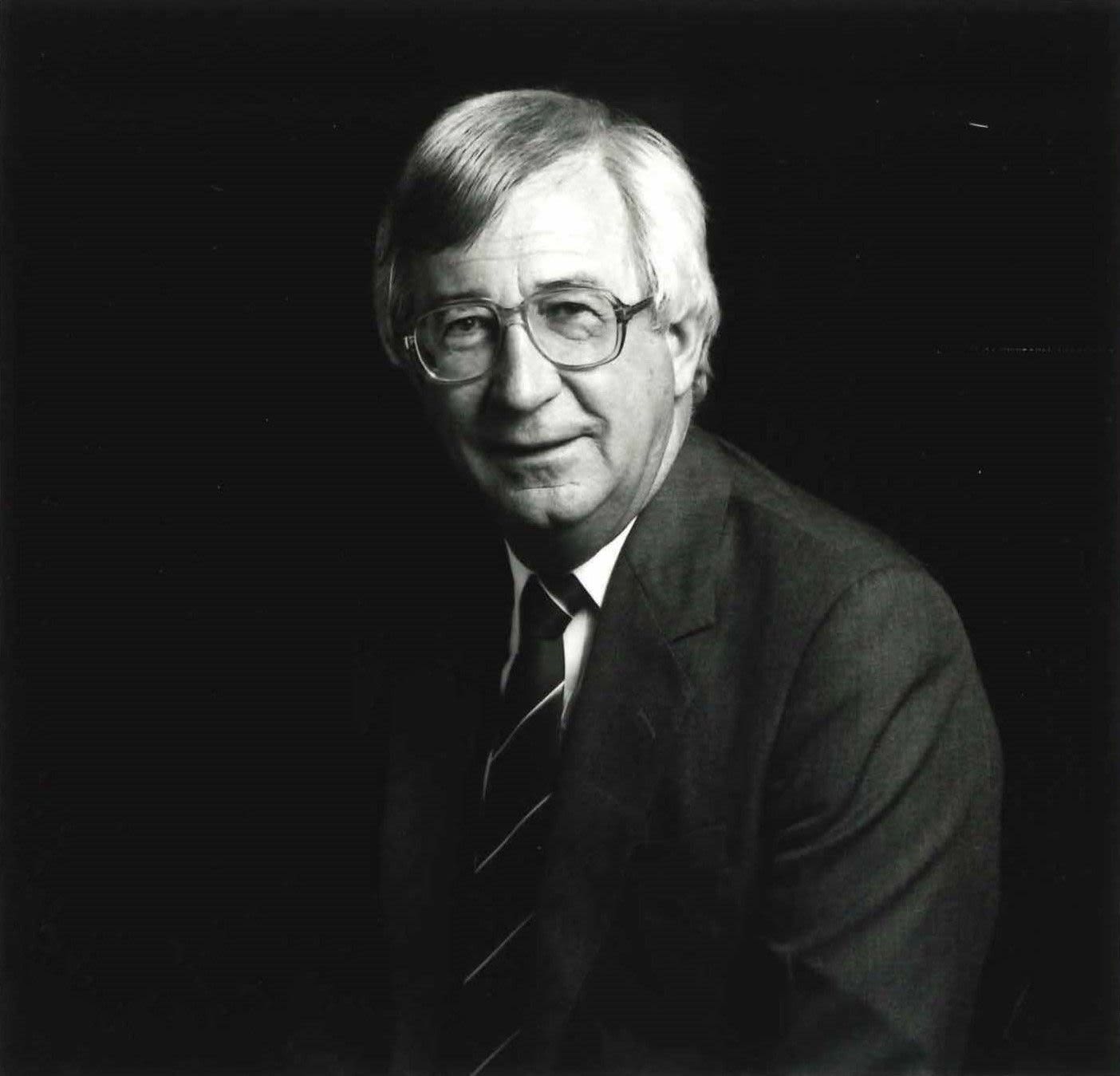
Bond University's first Vice Chancellor., Professor Don Watts.
Bond University's first Vice Chancellor., Professor Don Watts.
Before the buildings were even finished, the university nearly fell apart. Financial problems arising from the collapse of its backers rocked the students but only strengthened their resolve. The formation of the university’s first social clubs helped cement that sense of belonging. Mark and a group of friends launched the Bond University Drama Society and performed its first play, Waiting for Godot. The Vice Chancellor Don Watts was so impressed by the performance he shouted the students drinks at Don's Tavern aferwards.
"It was a beautiful moment when I could get all the students together with the Vice Chancellor," Mark says.
Student solidarity
Despite the unfinished campus, the students shared a single goal: to make the new university succeed. At a time when other universities and much of the public were sceptical of Bond and the concept of a private university, that shared purpose created a sense of camaraderie.
“It gave us a kind of tight-knit solidarity,” he says.
Bond University's first Vice Chancellor., Professor Don Watts.
Bond University's first Vice Chancellor., Professor Don Watts.
Before the buildings were even finished, the university nearly fell apart. Financial problems arising from the collapse of its backers rocked the students but only strengthened their resolve. The formation of the university’s first social clubs helped cement that sense of belonging. Mark and a group of friends launched the Bond University Drama Society and performed its first play, Waiting for Godot. The Vice Chancellor Don Watts was so impressed by the performance he shouted the students drinks at Don's Tavern aferwards.
"It was a beautiful moment when I could get all the students together with the Vice Chancellor," Mark says.
Finding his own path
After completing a Bachelor of Arts in 1995, Mark followed up with a Master of Arts, graduating in 1998. One of his most vivid memories of university life is from his law studies. He turned up for his first mock moot in Bermuda shorts, a polo shirt, Sperry topsiders, and a baseball cap – unaware that everyone else had been told to wear suits. The retired Family Court justice overseeing the moot refused to let him participate, even after he joked that she could "pretend I'm wearing a $3000 suit." That experience made him realise the rigidity was not for him.
Mark went on to run his family's two businesses: a mechanical and panel-beating shop, and a childcare centre. In 2019 he returned to Bond to complete an MBA. Today, he works as a Senior Research Assistant in the Bond Business School and serves on the Alumni Advisory Board.
Still part of the Bond story
These days, Mark’s personal goals are to write, publish, and teach – but what he truly loves is full-time research. He has presented papers on Confucianism at several conferences: in 2016 at Beijing Foreign Studies University, in 2019 at Bond, and most recently in 2024 at Ewha University in Seoul, South Korea.
“I really enjoy the process of writing and presenting,” he says. “There’s something special about sharing ideas in that way.”
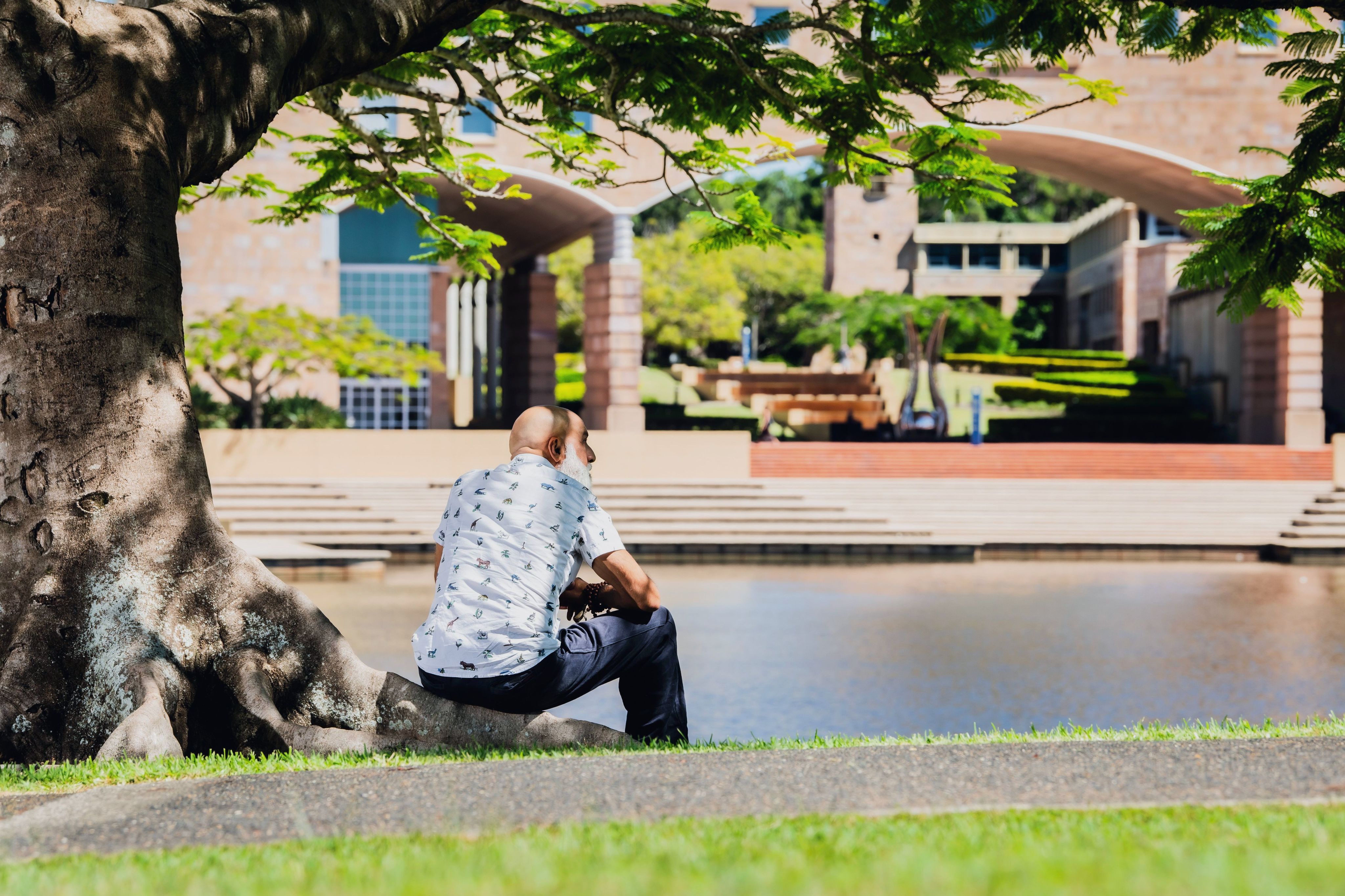
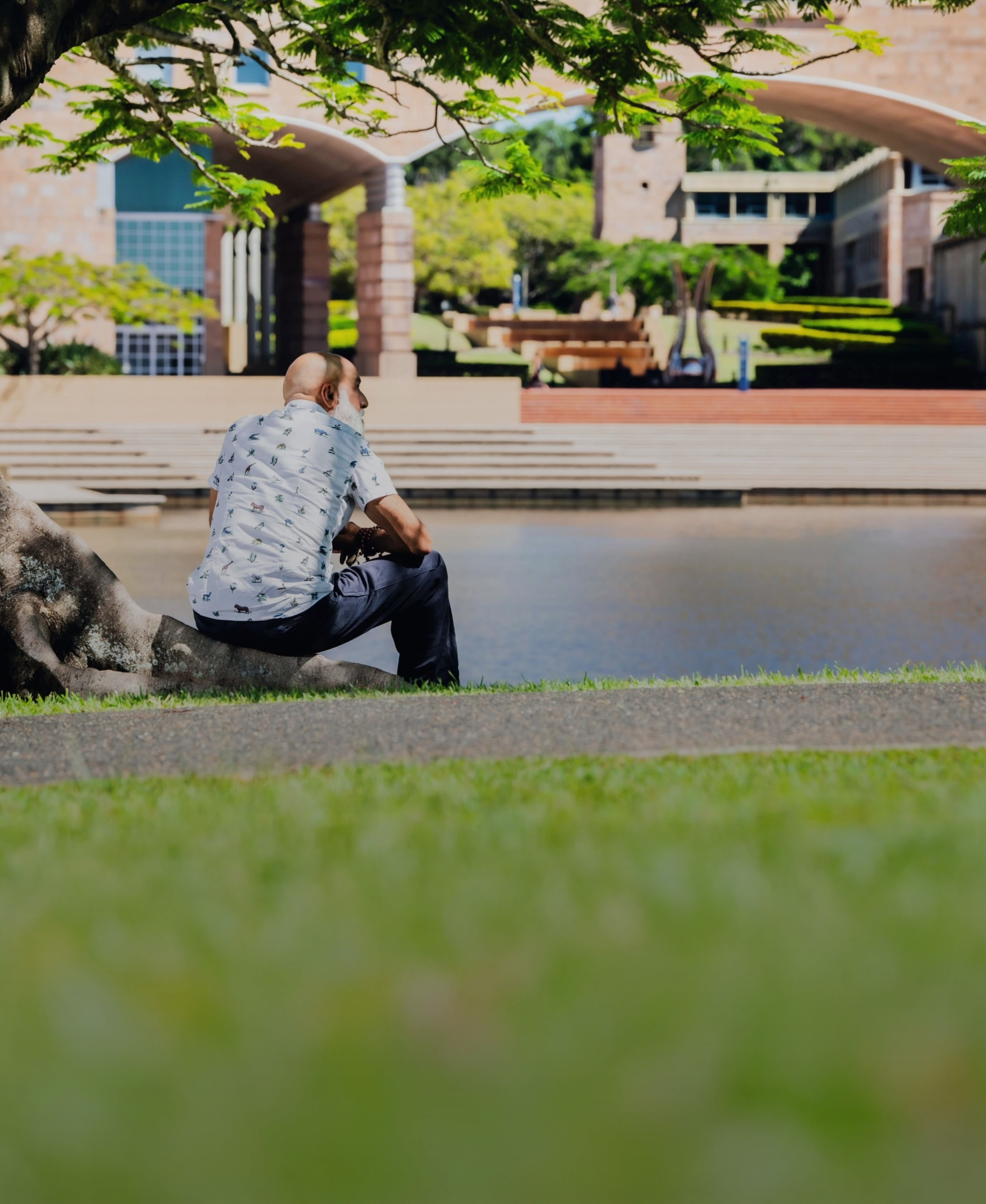
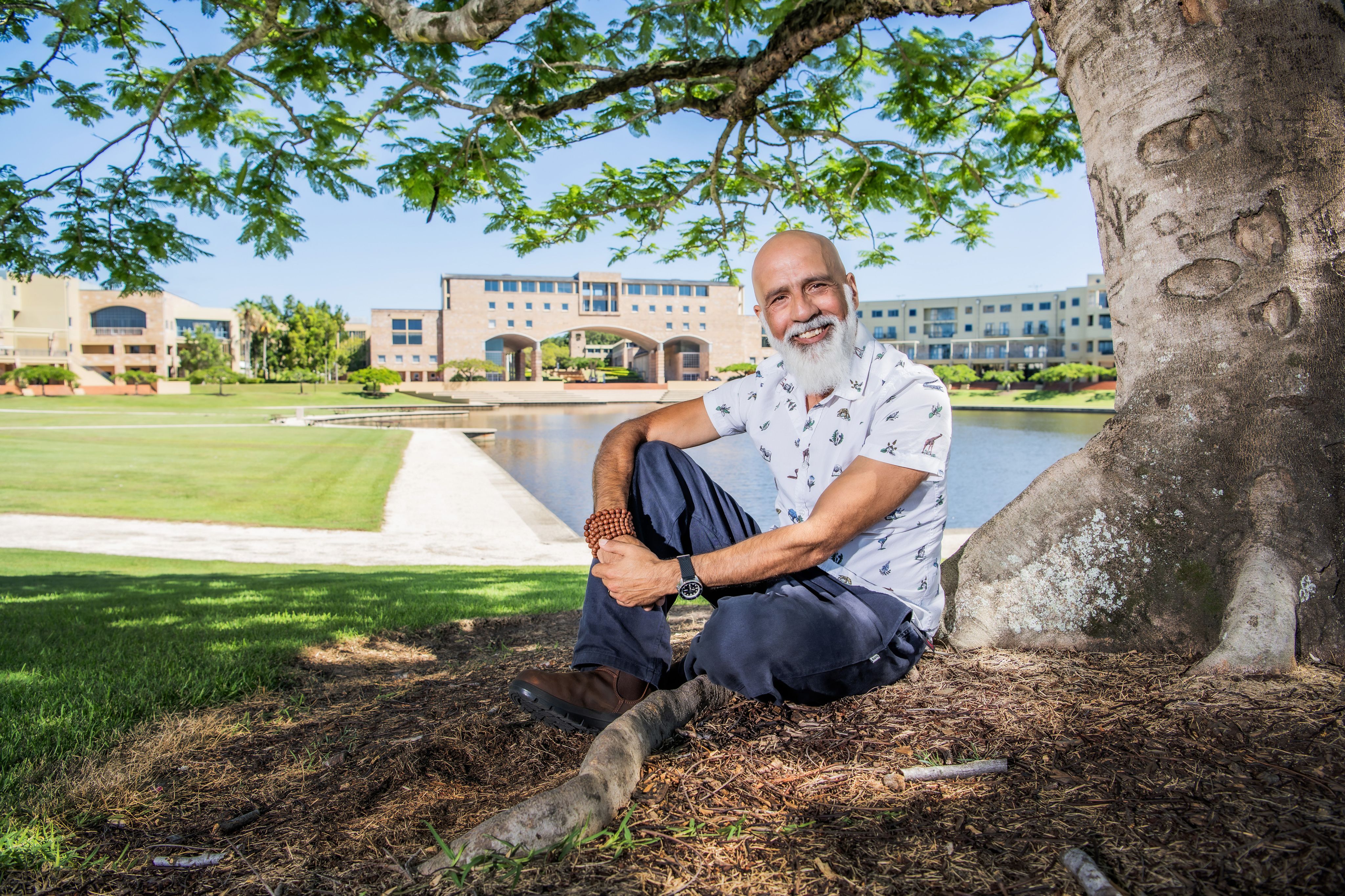
For all the movement in his life, Mark often finds a quiet moment for himself at a shady spot down by the lake.
“I ask myself, how many students have seen these trees? The trees have witnessed everything that’s happened here over the years.”

Original thinking direct to your inbox

Stories from Bond