
Good as gold
When markets fall, 'safe haven' assets like gold and silver shine. Here's why.
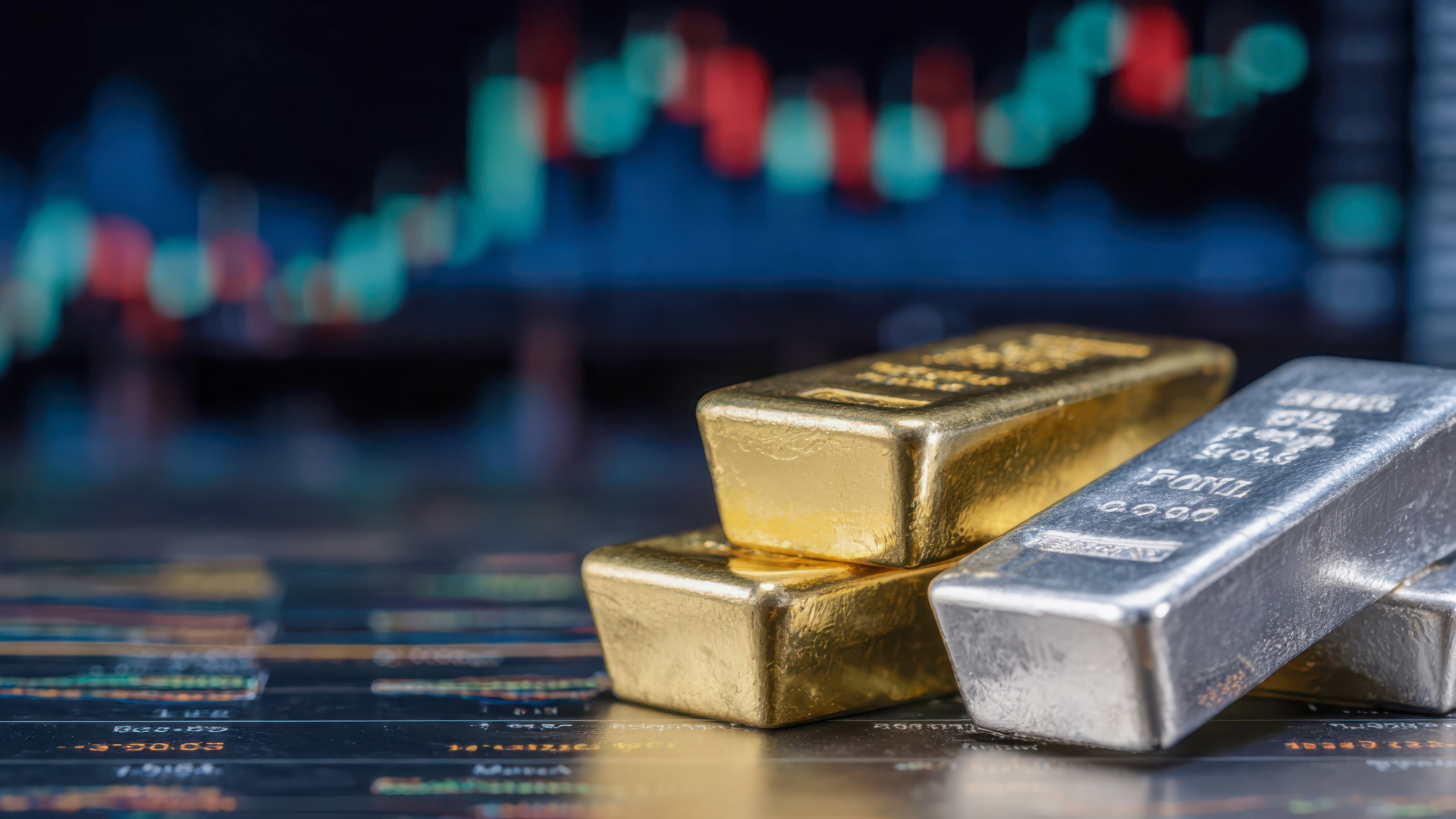

If it feels like your family and friends are increasingly talking about investing in gold or silver, you’re not alone. In times of financial stress and geopolitical tensions, investors have historically turned to assets that don’t move in sync with shares. Here’s why it happens, and what it means for you.
Why is everyone talking about safe commodities right now?
First, let’s unpack what a ‘safe commodity’ is. Precious metals, especially gold and silver, often act as safe havens for investors, because they become uncorrelated (or negatively correlated) with the stock market when the markets fall hardest. That’s why public interest spikes during periods of uncertainty.
This is not a new phenomenon, and it is known as the flight-to-quality effect. In 2016, I published the research paper Diamonds vs precious metals: What shines brightest in your investment portfolio? (Low et al.), which modelled investor and market behaviour across 10 years of international data.
We have seen rapid spikes in gold and silver before, most notably during the 2008 Global Financial Crisis and the 2011 United States credit rating downgrade. In both episodes, precious metals behaved exactly as stressed markets needed them to: they broke away from plunging equities and acted as reliable safe havens, particularly in developed economies.
"Investors today would recognise this pattern instantly — the backdrop of geopolitical tension, currency uncertainty and market instability is strikingly similar."
How does the political climate influence investors’ decision making?

"Investors today would recognise this pattern instantly — the backdrop of geopolitical tension, currency uncertainty and market instability is strikingly similar."
How does the political climate influence investors’ decision making?
Gold and silver tend to protect portfolios only during extreme downturns, not during normal times. So, political events that heighten uncertainty or threaten economic stability increase the likelihood that investors will seek safe-haven assets.
Political developments also influence expectations about interest rates and economic risk — both crucial for precious‑metal pricing. During a time of political turbulence, equities and shares go down, and safe-haven metals go up, especially in the US, Australia, Germany and France.
While gold and silver behave as safe havens during equity market stress, precious metals can still be sensitive to macro drivers in the short term.
They are not immune to rapid repricing outside crisis windows — which is exactly what was triggered when President Trump nominated Kevin Warsh as the next chair of the US Federal Reserve. News outlets interpreted the choice as indicating a more aggressive Federal Reserve, causing the USD to strengthen sharply and gold and silver to plunge.
Why has the value of safe commodities risen over the past 12-plus months?
With heightened geopolitical tensions and economic uncertainty, we are seeing investors turn to safe-haven assets like gold and silver once again.
Although these assets are at their strongest during full-blown crises, safe-haven commodities can also perform well during extended periods of global volatility. Their value persists when markets are unsettled for longer stretches, not just during sudden crashes.


Why has the value of safe commodities risen over the past 12-plus months?
With heightened geopolitical tensions and economic uncertainty, we are seeing investors turn to safe-haven assets like gold and silver once again.
Although these assets are at their strongest during full-blown crises, safe-haven commodities can also perform well during extended periods of global volatility. Their value persists when markets are unsettled for longer stretches, not just during sudden crashes.


In 2025, the World Bank reported that gold surged to record highs as geopolitical tensions intensified. Investors poured into safe-haven assets and central banks also increased their gold purchases. These are the exact environments in which precious metals typically shine.
Silver plays a dual role. It is both a precious metal and an industrial input, which means in some markets, silver demonstrates stronger safe-haven behaviour than gold, particularly during extreme market stress. When you combine this with booming demand from expanding industries (like solar energy), silver’s recent strong performance becomes easier to understand.
How does the US dollar impact the price of gold and silver internationally, and in Australia?
In a cross-market analysis, our research shows gold is a safe haven in several countries partly because its behaviour is tied to global factors, including the US dollar. Australia, Germany, France and the US are markets highly influenced by USD-denominated commodities pricing. Because gold is typically priced in USD, it often moves inversely with the dollar. Essentially, when the dollar strengthens, global demand for gold falls, and vice versa.
For Australians, the dollar matters just as much as the gold price. Because Australia is a gold-producing nation, AUD and USD movements influence both investor behaviour and mining-sector performance. When the AUD weakens, local gold prices rise, even if USD gold doesn’t. This means Australian investors often experience stronger safe-haven benefits than other countries.
Are safe commodities always a safe bet?
No. In our research, we found that safe commodities are conditionally safe. That is to say, the safe-haven behaviour only appears in extreme market conditions. During normal periods or short-term policy shocks, metals can move with (and not against) markets.
We also explored other precious metals and diamonds, with key findings including:
Gold and silver
Gold and silver generally provide safe-haven protection in developed economies.


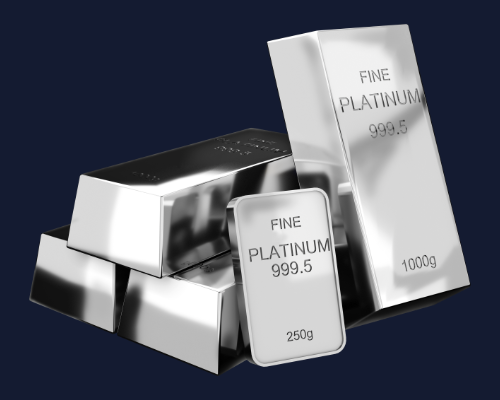
Palladium and platinum
Palladium and platinum show safe-haven behaviour only in some countries.
Rhodium
Rhodium sometimes acts as a hedge, but not consistently.
Diamonds
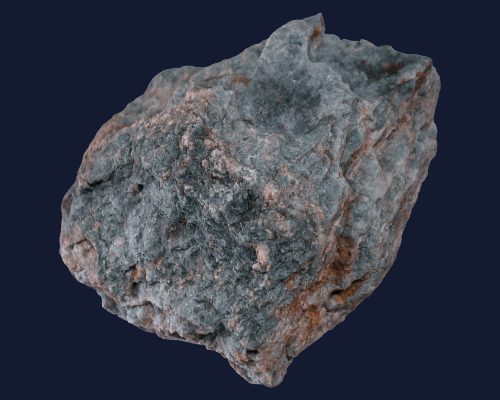
Diamonds, despite common perception, do not consistently act as effective safe havens, except in limited cases and only in physical form. Diamond indices perform poorly as hedges.

What can we expect in the future?
We should expect continued volatility in the market and demand for safe-haven assets.
I predict short-term swings will continue to be driven by the USD and interest rate expectations.
Resources demand, especially from central banks and clean-energy sectors, is likely to support metals over the medium term.
For Australian investors, gold may continue to perform well even when global prices stall.
If history is any guide, safe-haven metals will continue to play a stabilising role during periods of uncertainty — especially for Australian investors.

Original thinking direct to your inbox

Stories from Bond