
Global impact
The award-winning class where students solve real-world issues


Global impact
The award-winning class where students solve real-world issues
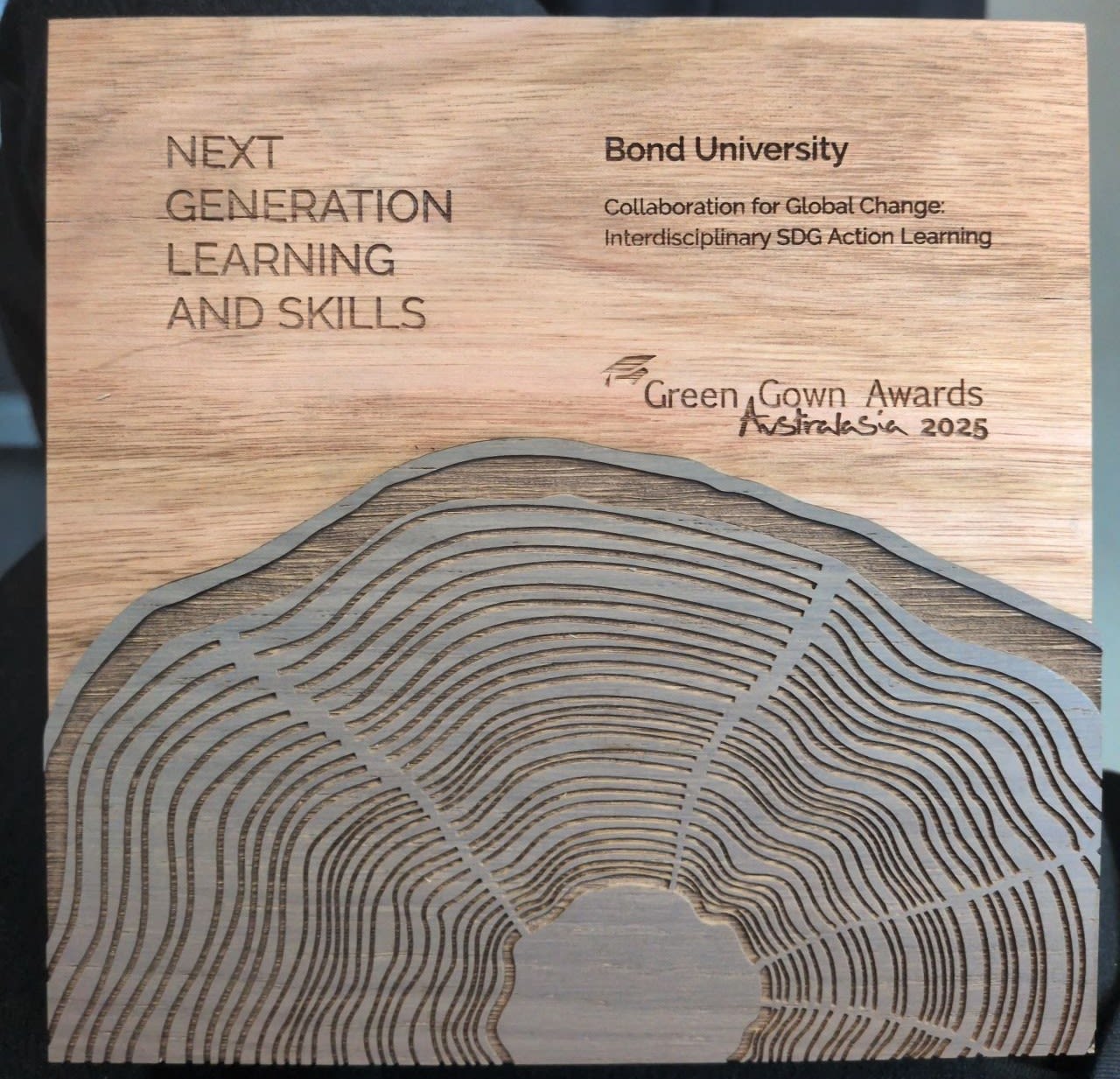
Collaboration for Global Change sees hundreds of students devising solutions to global issues — with real world positive outcomes — every semester. Students have designed innovative nets aimed at reducing marine bycatch, developed apps about Amazon deforestation, and empowered people to learn cardiopulmonary resuscitation (CPR). The Bond University Core Curriculum subject has brought students from all faculties together to address the United Nations Sustainable Development Goals (SDGs). Recently, the compulsory undergraduate subject received its own recognition, taking out the Next Generation Learning and Skills category at the 2025 Green Gown Awards Australasia in Sydney.
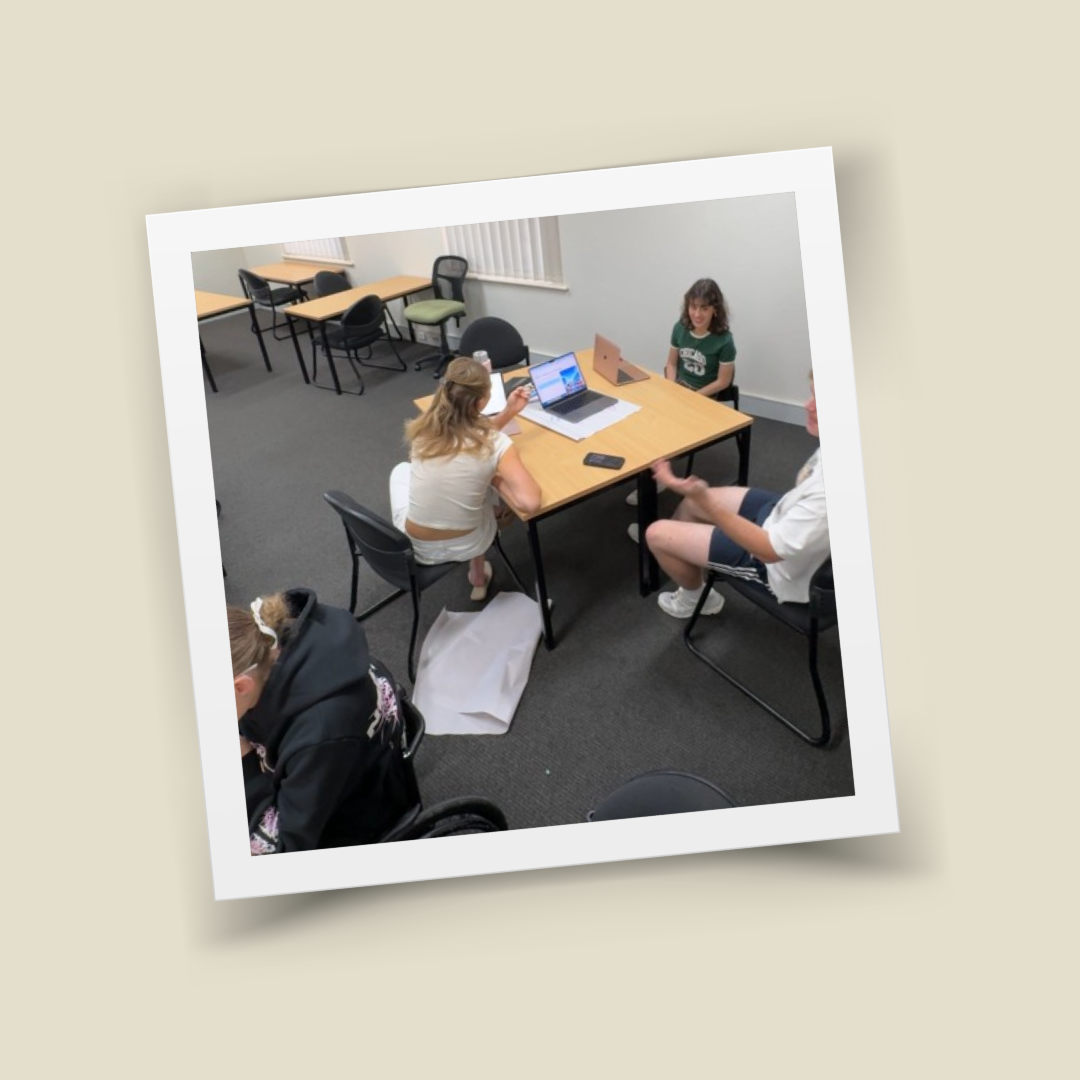
From new sensory tools to improved study spaces and a quiet hour at the Sports Centre, Bond University is a more inclusive space thanks to the Collaboration for Global Change students of 2025. Hundreds of Semester 3 Bondies chose to tailor their class project to increase accessibility for neurodiverse students, devising improvements that have been implemented across the campus.
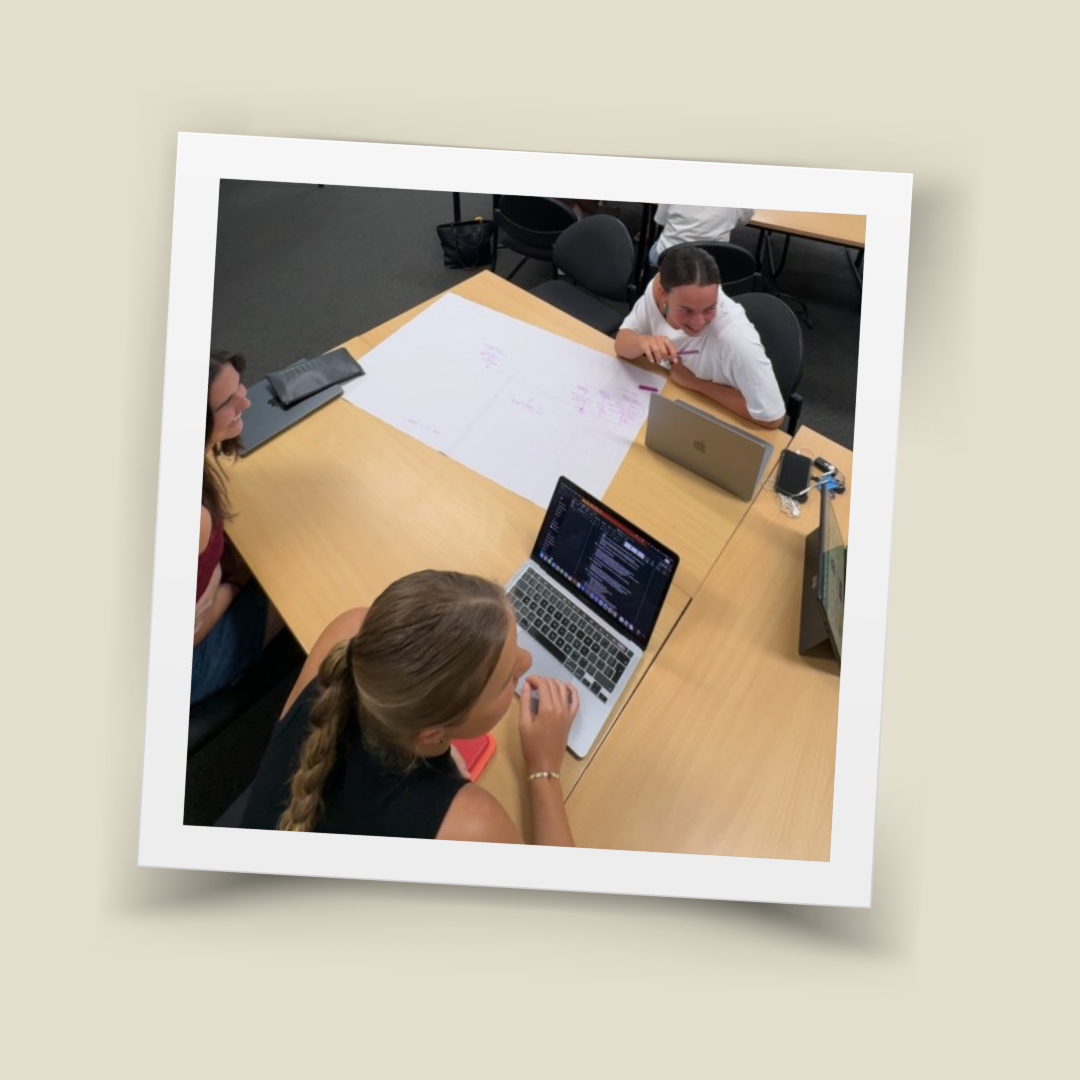
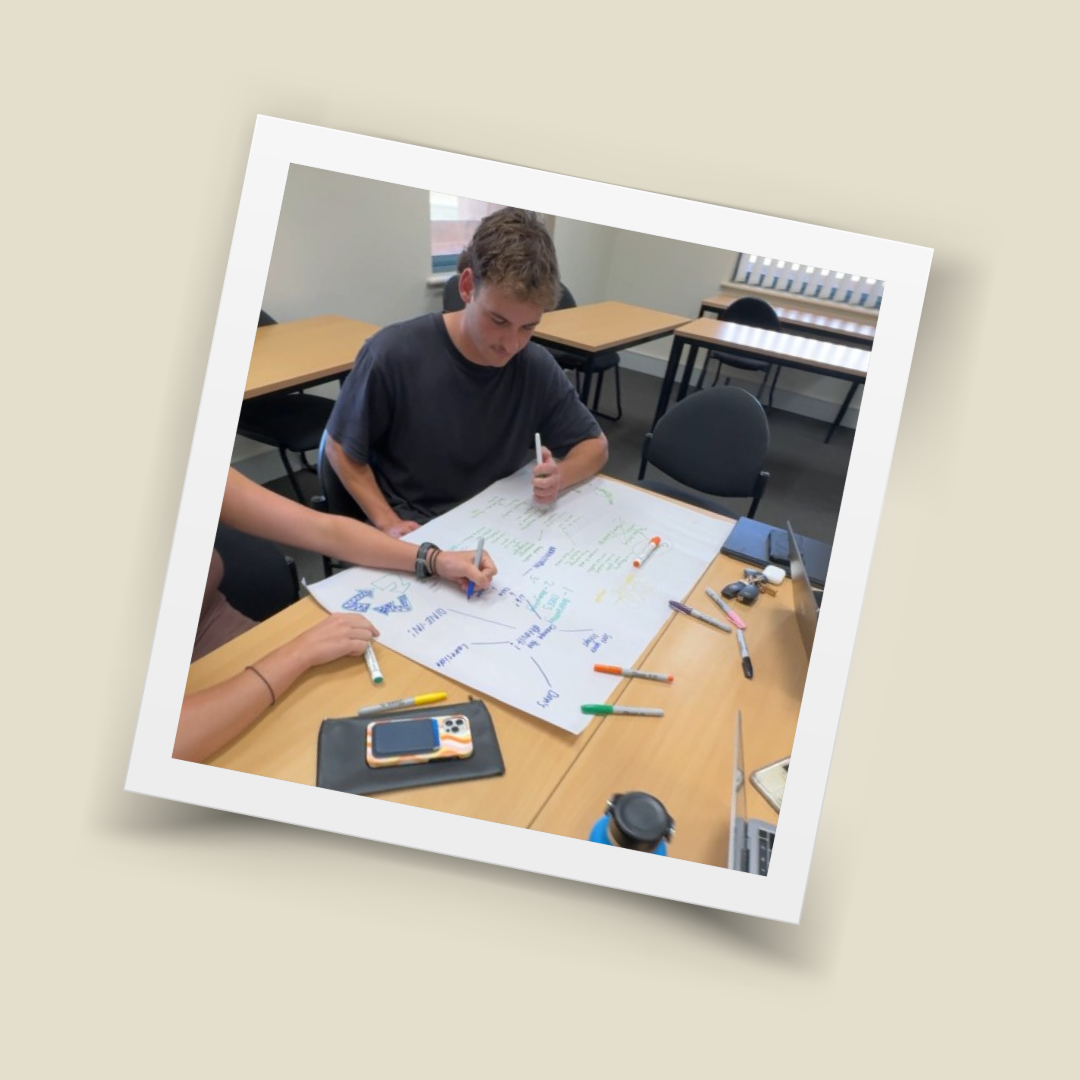
Associate Professor Dr Daniel Brennan says students broke into groups to consider principles of design and collaborate with departments.
“That’s 300 students working to open up our campus in a really great way,” he says.
“The Main Library, Sports Centre, and Student Success and Wellbeing teams have been thrilled to engage with students on these transformations.
“I’ve loved not only seeing change in the students throughout the semester but watching the incredibly warm community at Bond, who want to hear their ideas and go ahead with them.”
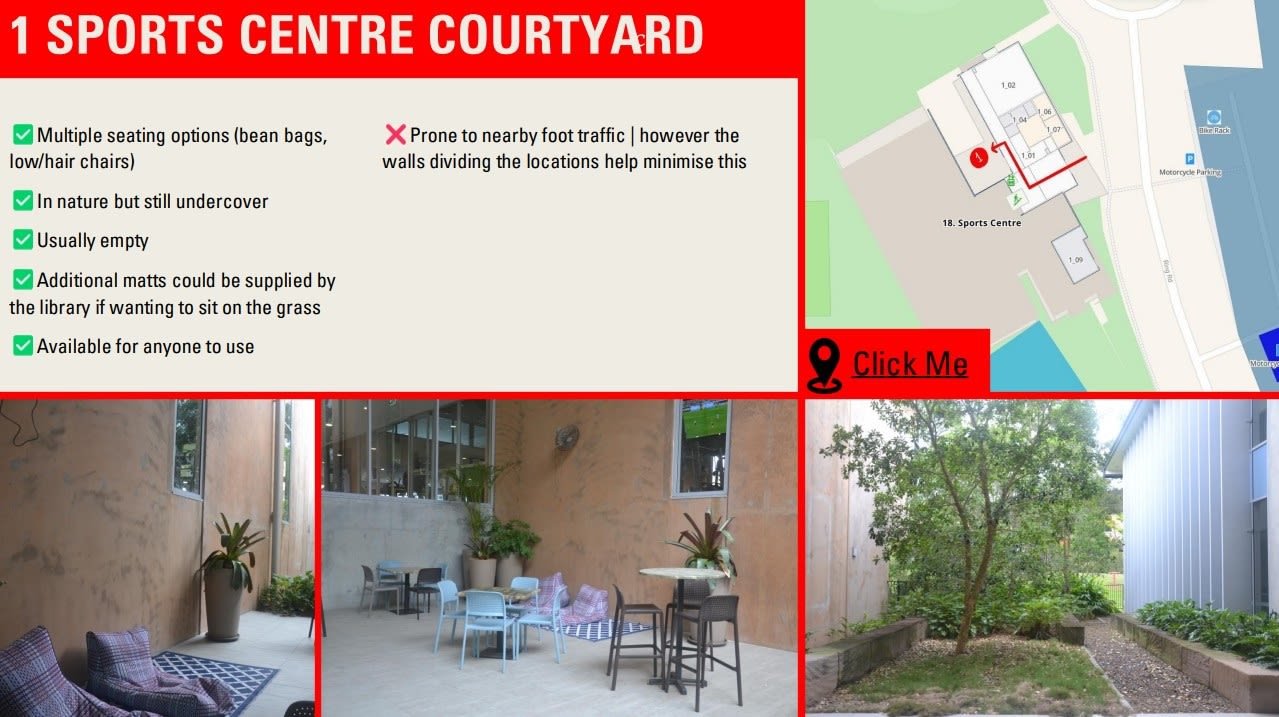
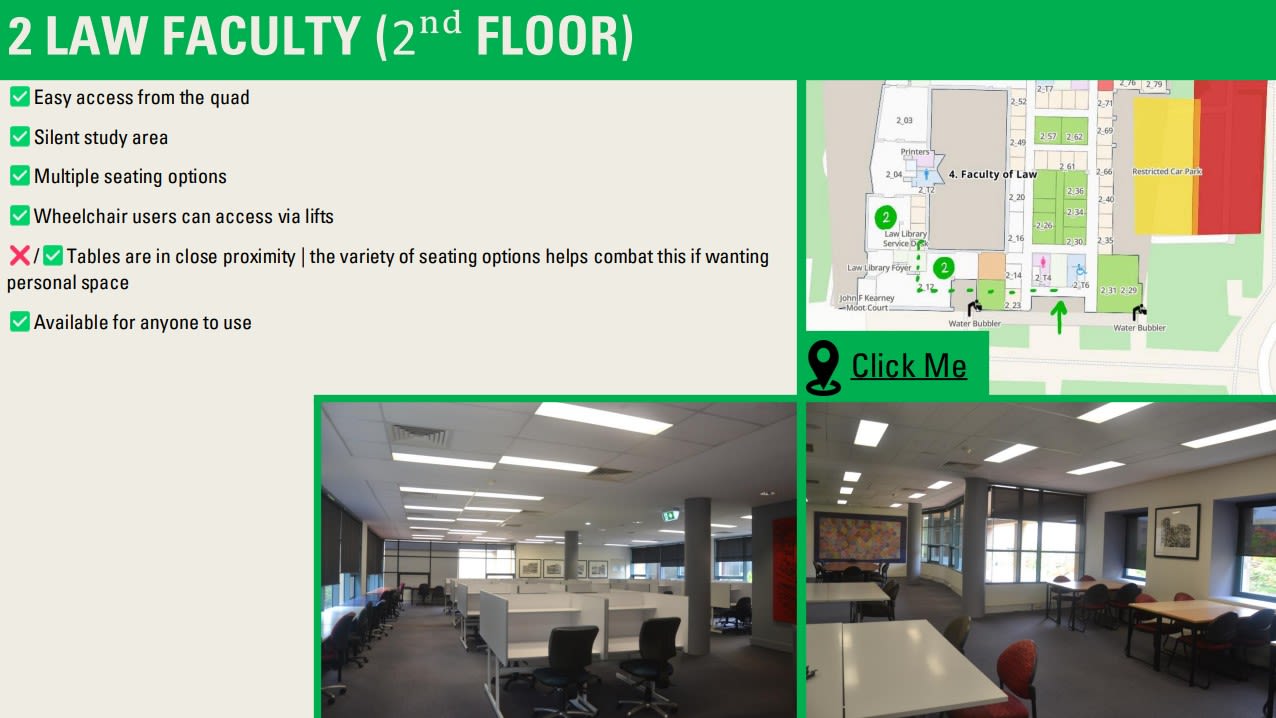
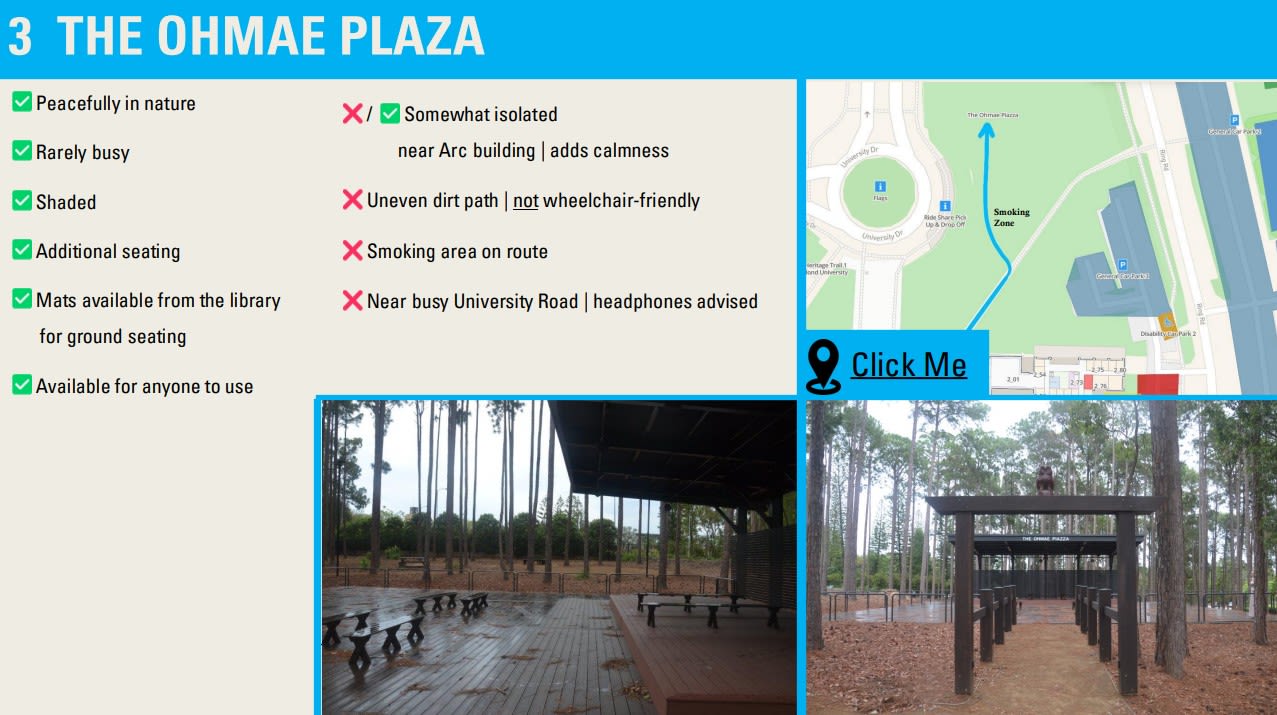
International student Neta Henkin was motivated by the prospect of making her peers feel more connected, and completed the subject feeling more connected herself. The Bachelor of Design in Architecture student worked on a digital campus map highlighting quiet spaces to study with sensory considerations.



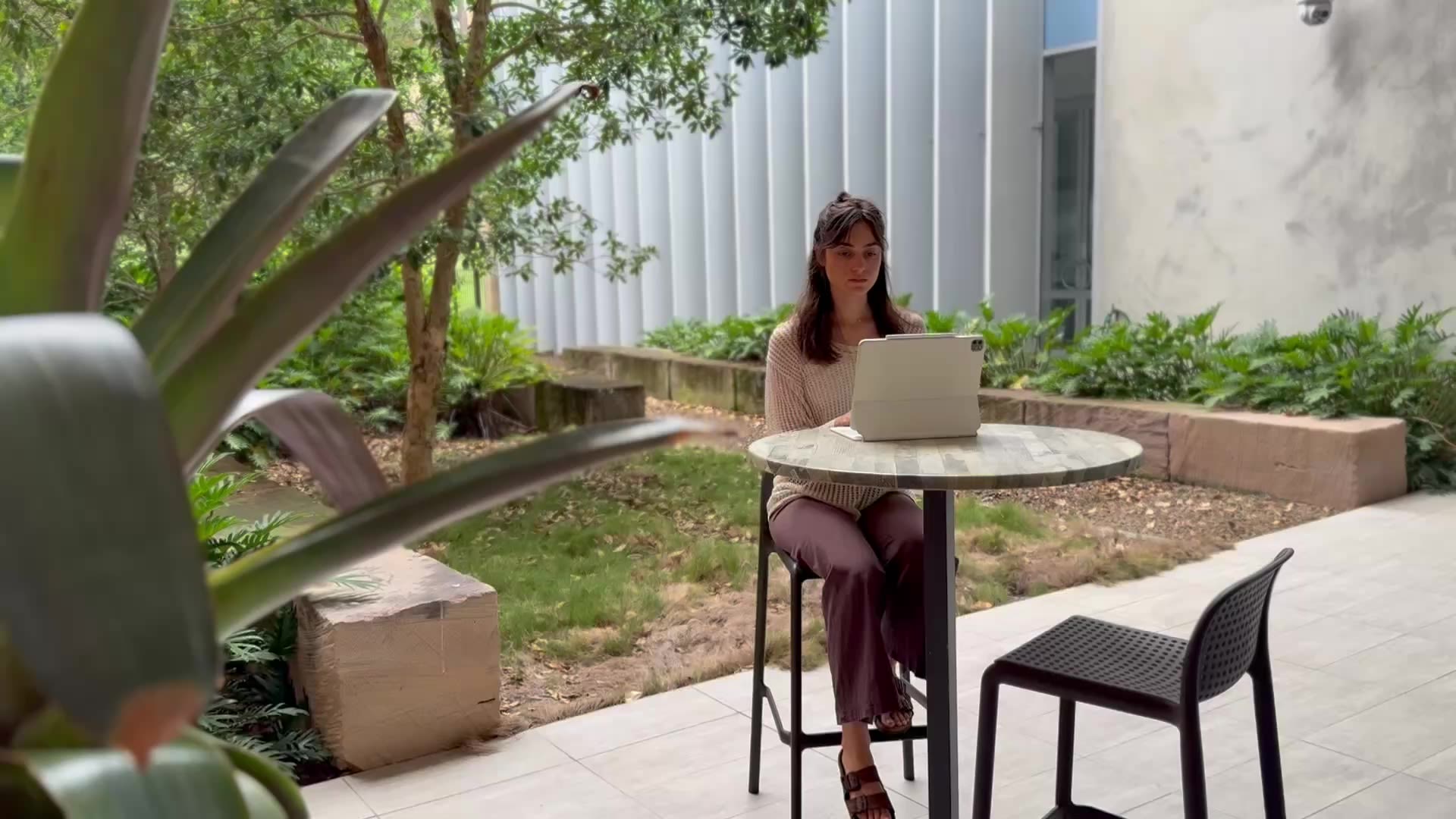
She’s working with library staff, alongside classmate Katrina Wilton, to develop the interactive map further and make it accessible to students.
“I was able to contribute to something that will build a sense of belonging for students,” Neta says.
“We explored and identified underused spaces so students could feel welcomed to access peaceful environments across different faculties.
“I loved the combination of creativity and having an impact on our environment.”




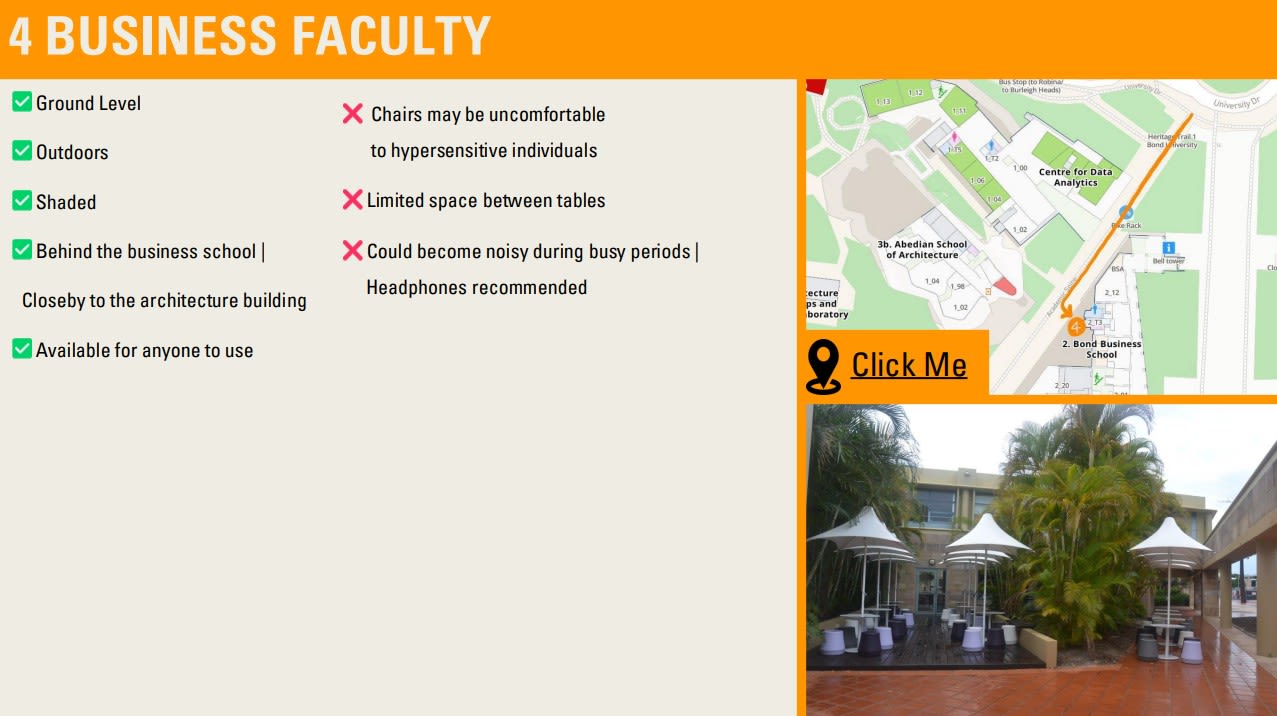

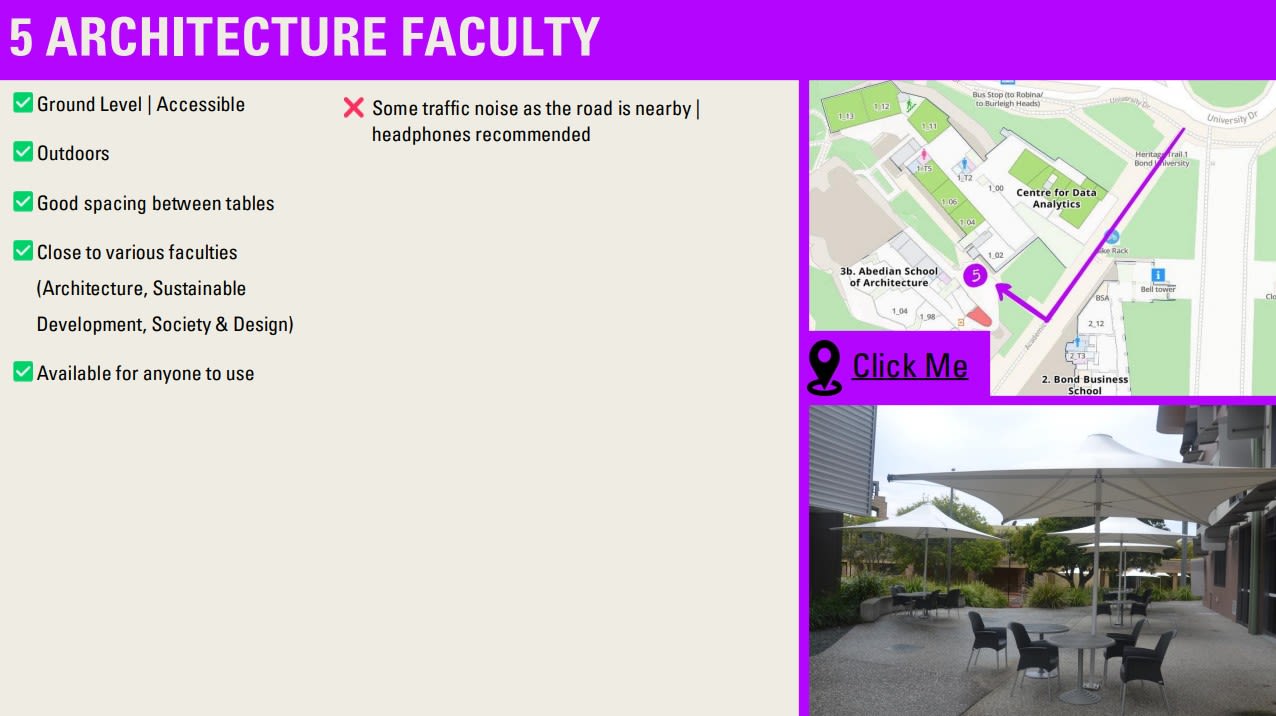


Bond University Accessibility and Inclusion Advisor Sarah Hallowell says the student projects have been a valuable extension of the work already underway to enhance accessibility and inclusion across campus. Ideas raised through the subject highlighted the value of sensory tools for students, and the Student Success & Wellbeing team have collated sensory-support boxes to be trialed across campus in 2026.
"Each participating faculty and Core subject as well as the Libraries will host at least one box containing items such as fidgets and tactile supports to support focus, regulation and comfort," Sarah says.
"The collaboration has also contributed momentum to planned enhancements of existing low-sensory spaces on campus.
"Student insights have helped refine priorities and accelerate delivery, complementing longer-term work already in progress to strengthen inclusive, welcoming environments that support student wellbeing and belonging."
Namay Sareen was one of the students exploring evidence-based changes that would tailor spaces to the requirements of neurodiverse students. He proposed an increase of nature elements in quiet spaces, enhanced noise isolation and a reduction in sensory stimulation, while ensuring students with neurodiverse needs were not looked at through a deficit lens. He learned how minor changes can make a big difference.
“The fact core students have created a Quiet Study Spaces map, and the Main Library has incorporated neurodivergent accessibility in their plans has improved my perspective on the feasibility of creating real change in the world,” he says.
“The subject has made me feel as though my opinion was listened to by others with enthusiasm to create a difference.”
Associate Professor Brennan says the most apparent change he sees in his students is the sense of agency they gain.
“We’re presenting students with a ‘wicked problem’, a problem that doesn’t have a single correct solution. We watch them create potential solutions that need development and they come away realising they can do something that really matters,” he says.
“They come away realising they can do something that really matters.”

For the goals
Associate Professor Brennan led a design team of academics from across the University to develop the subject for launch in 2024. He set out to incorporate Indigenous curriculum, reflect the University’s commitment to the SDGs and involve interdisciplinary collaboration. The first person he consulted was Bond University Elder Uncle John Graham.
“The great thing about Indigenous pedagogy is that it’s responsible, robust and rigorous, and it’s an old wisdom that offers a great way to approach problems,” Associate Professor Brennan says.
“The very first thing Uncle John said was, ‘we're about relationships, not partnerships’.
“It’s all about flattening hierarchies and developing relationships.”
The principle of respecting and caring for Country is also woven into the curriculum. Associate Professor Brennan says it’s a reminder everybody has responsibility in their actions.
“Whether we're making money, engaging in collaborations, trying to solve a problem, or even just in our leisure time, we are connected to Country and the people and things that dwell in it,” he says.
The ancient wisdom is embodied in the United Nations SDGs — 17 goals providing nations and organisations with actionable ways to reform and shape their sustainability practices. Collaboration for Global Change asks students to link their endeavours to specific SDGs, positioning their actions as contributions to global citizenship.
Namay’s study spaces project addressed SDG 4.A, which aims to develop inclusive learning facilities. Associate Professor Brennan says the SDGs are the largest global discourse for sustainability and act as a universal reference to transform industries.
“They’re an aspect of a collaborative enterprise and allow us to talk about serious matters without creating polarising echo chambers,” he says.
Associate Professor Brennan says bringing students together from different disciplines to draw on Indigenous knowledge and new technologies like artificial intelligence allows them to see problems in a different light.
“Having a conversation with someone who approaches things differently immediately enlarges your consciousness and allows you to see opportunities that you couldn’t before,” he says.
“It’s empowering for students.”
For the goals
Associate Professor Brennan led a design team of academics from across the University to develop the subject for launch in 2024. He set out to incorporate Indigenous curriculum, reflect the University’s commitment to the SDGs and involve interdisciplinary collaboration. The first person he consulted was Bond University Elder Uncle John Graham.
“The great thing about Indigenous pedagogy is that it’s responsible, robust and rigorous, and it’s an old wisdom that offers a great way to approach problems,” Associate Professor Brennan says.
“The very first thing Uncle John said was, ‘we're about relationships, not partnerships’.
“It’s all about flattening hierarchies and developing relationships.”
The principle of respecting and caring for Country is also woven into the curriculum. Associate Professor Brennan says it’s a reminder everybody has responsibility in their actions.
“Whether we're making money, engaging in collaborations, trying to solve a problem, or even just in our leisure time, we are connected to Country and the people and things that dwell in it,” he says.

The ancient wisdom is embodied in the United Nations SDGs — 17 goals providing nations and organisations with actionable ways to reform and shape their sustainability practices. Collaboration for Global Change asks students to link their endeavours to specific SDGs, positioning their actions as contributions to global citizenship.
Namay’s study spaces project addressed SDG 4.A, which aims to develop inclusive learning facilities. Associate Professor Brennan says the SDGs are the largest global discourse for sustainability and act as a universal reference to transform industries.
“They’re an aspect of a collaborative enterprise and allow us to talk about serious matters without creating polarising echo chambers,” he says.
Associate Professor Brennan says bringing students together from different disciplines to draw on Indigenous knowledge and new technologies like artificial intelligence allows them to see problems in a different light.
“Having a conversation with someone who approaches things differently immediately enlarges your consciousness and allows you to see opportunities that you couldn’t before,” he says.
“It’s empowering for students.”
Forward-thinking
The 2025 Green Gown Awards Australasia recognised Bond’s pioneering approach to sustainability education with the Next Generation Learning and Skills award.
“The awards are judged by professionals in the government and sustainability industries, who asked probing questions, so it was a really nice experience to win and it gives us wings,” Associate Professor Brennan says.
“It’s given us insight into how we can further push student ideas to community in an impactful way.”

Associate Professor Brennan is surprised by the ideas of every new cohort he welcomes to the subject.
“I watch a group of students who are sceptical about the process develop unexpected ideas they’re genuinely proud of,” he says. “That motivates me.”
Published on Wednesday, 21 January, 2026.

Original thinking direct to your inbox

Stories from Bond