Key points
- Gold Coast light rail Stage 3 is slower because it runs through dense urban areas requiring major underground utility upgrades.
- Construction complexity is higher, with water, sewer, power and communications systems needing full redesign and relocation.
- Delays have been driven by population growth, labour shortages, COVID impacts, supply issues and extreme weather.
- Despite frustration, the project is expected to improve transport, reduce congestion and support long-term city growth.
by Assistant Professor Ned Wales
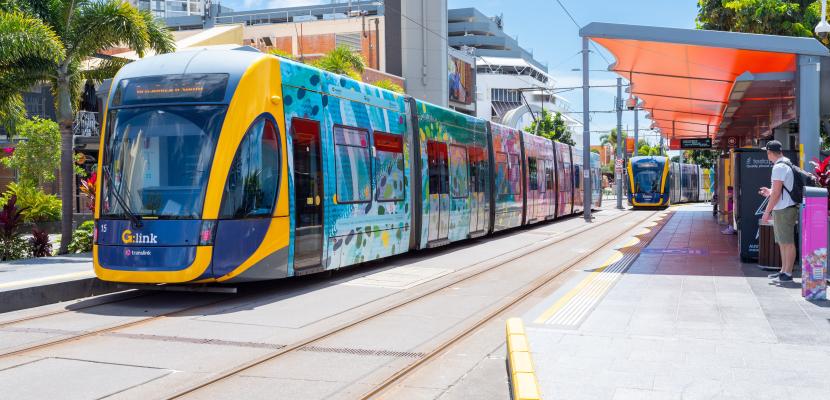
The Gold Coast light rail might be coming to an abrupt halt at Burleigh Heads, but why does the journey there feel interminable?
It seems tantalisingly close, especially for residents and businesses hardest hit by the disruption, yet this final stretch of track still has no firm finish date – “mid 2026” is the best approximation we’ve received, even though it’s nearly March.
And with the 13km initial stretch of light rail completed in about 2½ years, many Gold Coasters are starting to wonder what on earth is taking the much shorter stage 3 so long.
Why shorter doesn’t mean faster
As someone who worked on delivery of light rail stage 1, shorter distance doesn’t necessarily equal less time.
While stage 1 ran through areas that were far less crowded and complicated, stage 3 slices straight through some of the most built-up, fast-growing parts of the city.
Building rail in a highly urbanised environment is not just laying tracks; it means rebuilding what sits underneath them.
Every kilometre now requires upgrades to sewer, water, electricity and communications.
Bigger pipes, new power systems, safer crossings, higher engineering standards – all this work is mostly invisible to the public but absolutely essential for a growing city.
And boy, is it growing. The influx of about 1000 new residents every month has forced planners to redesign parts of the project as they go.
A transport corridor that once served a moderate population now has to support much higher density.
Stage 3 has also been hit by a pandemic, labour shortages, global supply chain disruptions, major floods and a cyclone.
Then there are the political arguments between three levels of government over priorities and funding.
These are the realities of modern infrastructure delivery.
People often point to projects overseas and ask why they can do it faster.
That ignores the local context.
We’re operating under different planning systems, labour rules, legal requirements and land ownership.
Communication matters
Comparing raw construction timelines across countries tells us very little. What does deserve criticism is communication. When governments stop answering questions, trust erodes.
Residents living beside construction zones deserve clear and honest updates – saying “mid 2026” without firm explanation only deepens suspicion.
I am not here to defend any agency. Accountability matters. Transparency matters. Answering the phone matters.
But I also know this: Once projects like this are finished, public opinion shifts quickly.
We saw it with the M1 upgrades as years of disruption and frustration gave way to widespread praise once the road reopened. The same will likely happen with light rail.
A growing city needs patience
This line will reshape how people move along the coast, offering an alternative to cars, reducing congestion and supporting future growth that is already locked in.
We can be frustrated and still recognise complexity; we can demand better communication without pretending these projects are easy.
We can hold governments to account while understanding that modern cities are harder to build than they used to be.
The real lesson of stage 3 is that building transport options in a crowded, growing city is slow, messy and unavoidable.
The Gold Coast is no longer a small beach town and our infrastructure challenges now look like those of a major city. It might be uncomfortable, but it’s a sign of what we have become and where the city is headed.
- Ned Wales is Assistant Professor of Sustainable Development at Bond University.