


Dr Clarisse Lafleur’s PhD lifts the lid on the Succession-style drama inside family offices, with her personal connections helping her get the full picture.


The term ‘family office’ conjures up visions of the Roy family’s boardroom in the TV drama series Succession – power grabs, heirloom legacies and twilight founders clinging on. Dr Clarisse Lafleur, recently awarded her PhD from Bond University, found that beneath the made-for-TV melodrama was a surprisingly accurate picture of the challenges facing multi-generational family businesses.
Her research into family offices and business succession found the biggest threat to generational continuity wasn’t money or market shifts, but the human stuff – secrecy, disengaged heirs, no clear plan and refusal to let go.

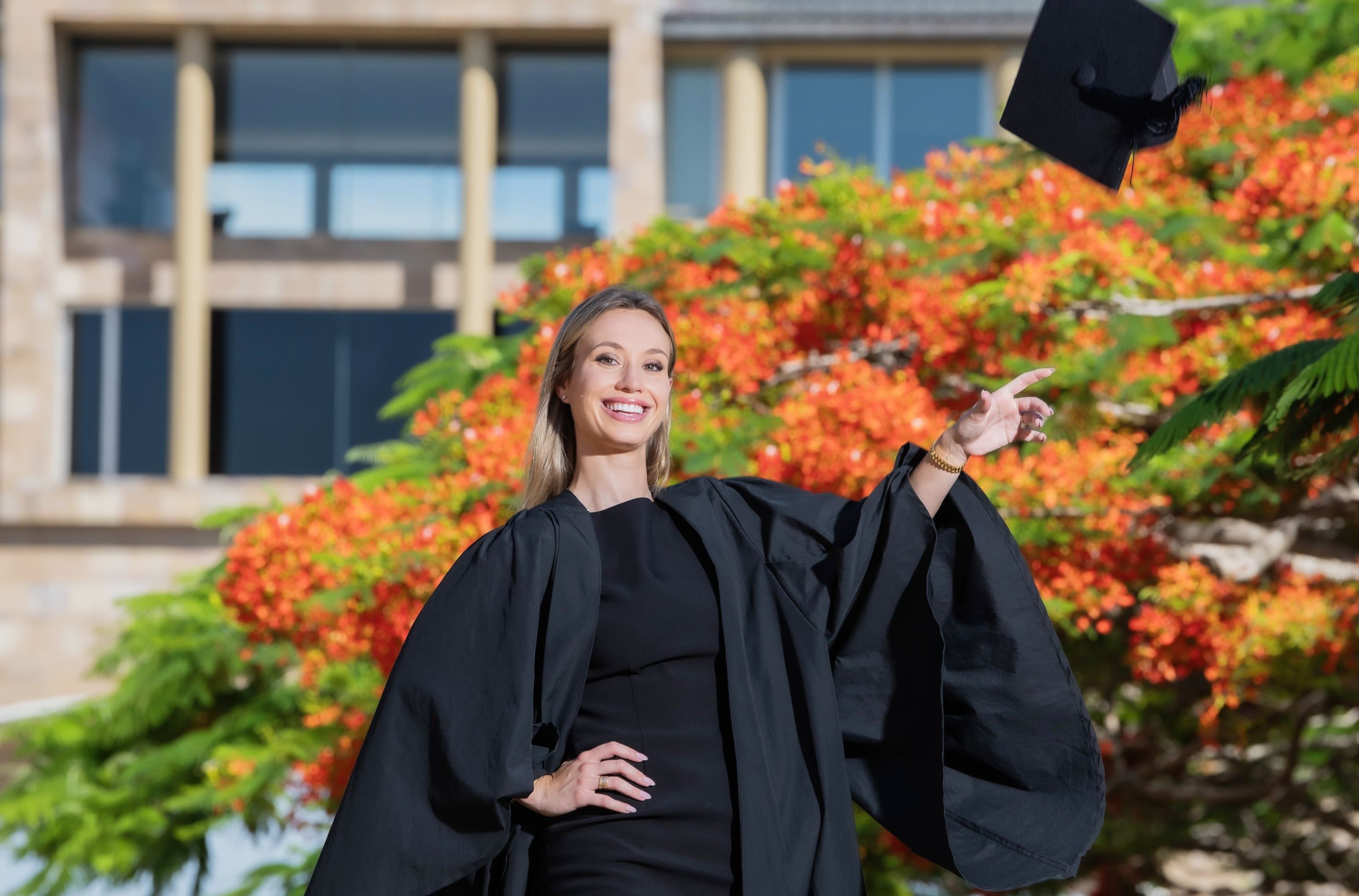
Dr Clarisse Lafleur has graduated with a PhD in succession planning.
Dr Clarisse Lafleur has graduated with a PhD in succession planning.
“It’s a tiny percentage when it comes to (family businesses with) three generations,” she said. “So often the challenge is getting the younger generations interested in the actual business. Many prefer to be passive (earners) or are disengaged, and the current generation don't know what to do to keep it going.”
Statistics bear this out, showing only around 12-13 percent of family businesses make it to the third generation. And they seem to follow a similar pattern of poor governance, founder inertia and weak heir engagement which undermine longevity.
While Dr Lafleur’s research was shaped by what professional advisers wanted to know about the inner workings of family offices, it grew from a kernel of self-interest.
A next-generation heir to her own family business, Dr Lafleur is using what she’s learned to ensure it beats the odds. Her father is a successful businessman in New Caledonia and she is the granddaughter of the French territory’s former leader Jacques Lafleur. While there were no Roy-style histrionics at the Lafleur boardroom or dinner tables, she’s learned that communicating early and well with the next generation is the key to successful succession.



Her study showed the difference between legacy and collapse can be as simple as “we did this early” rather than “we waited until the big moment”.
“The parent-child relationship was key, and getting children involved early, perhaps through a family board which allows them to feel part of the process without unnecessary and overwhelming information,” she said. “And letting them make decisions – small decisions like choosing a charity for philanthropy. Something that won’t impact the bottom line or direction of the business, but gives them an opportunity to be involved.”
Regular family rituals were also important, she said, with younger generations valuing an annual retreat with the extended and business families. Older generations, on the other hand, often need lessons in letting go.

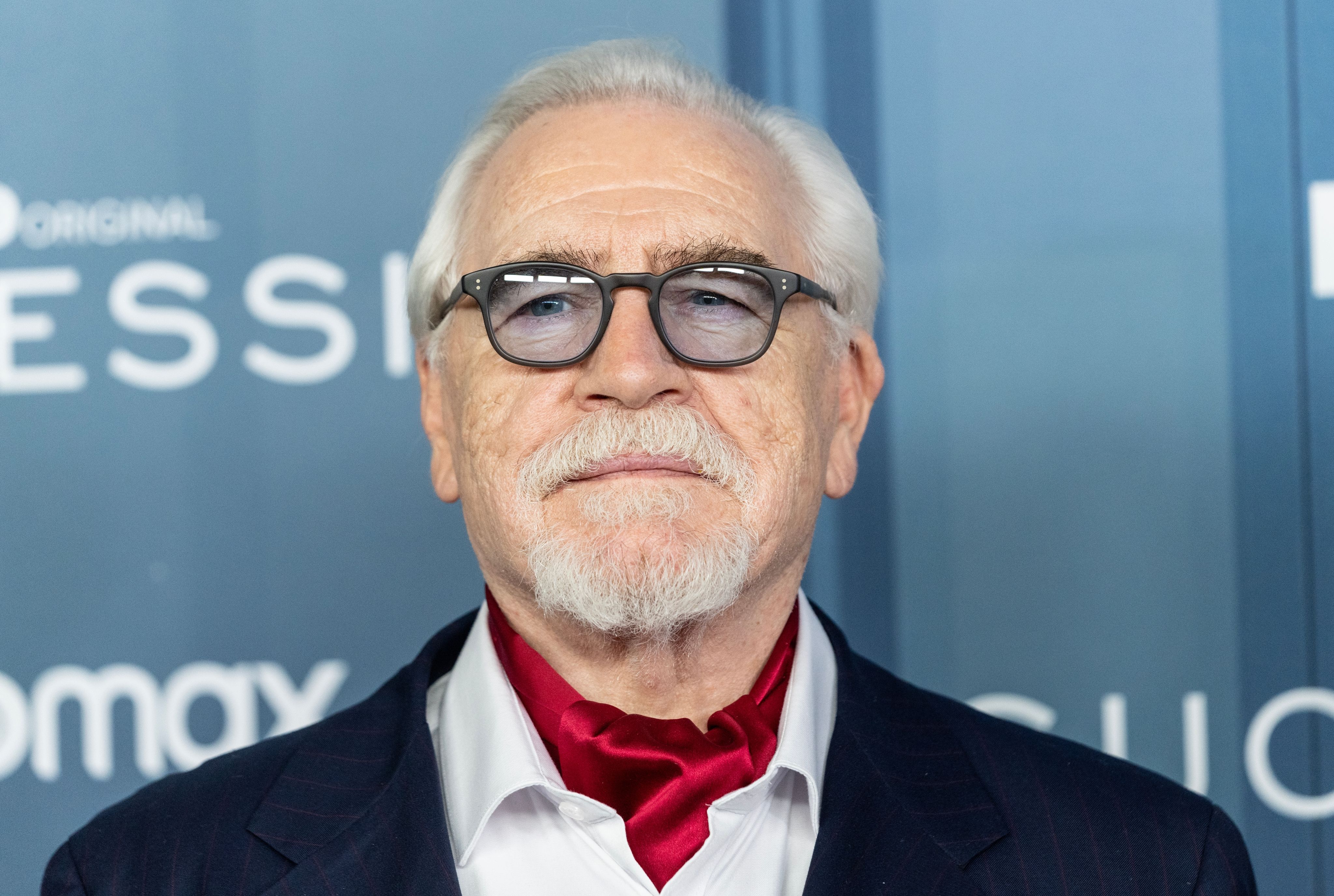
Brian Cox, the actor known for his role as Logan Roy, the patriarch who refuses to relinquish control of his media empire in Succession.
Brian Cox, the actor known for his role as Logan Roy, the patriarch who refuses to relinquish control of his media empire in Succession.
“This was a massive one,” said Dr Lafleur. “Getting an advisor or someone to help them and teach them to let go was important because a lot of that current generation and the older generation ... think they're invincible and they don’t want to let go. Refusing to give a little bit of fun decision-making to the coming generation is making it really hard (to get them engaged).”
And just as in business, her family background opened doors for Dr Lafleur that have long been closed to most researchers.
“I think these issues have always been a challenge,” she said. “It’s just that there hasn't really been any research because people haven't necessarily had the opportunity to get in the field or ask the questions I've been able to ask with the background I've had. I don’t think I could have done it without that, 100 percent. Coming from a family business it was easier for me to ask certain questions and explain why I was doing the PhD ... so they tend to be a bit more open about certain things.”
Published Wednesday, 3 December, 2025.
Original thinking direct to your inbox

Stories from Bond