Our counsellors at Bond University provide a free, short-term, confidential counselling service to all currently enrolled students. Whether you're struggling with motivation, mental health, study pressures, or adjusting to university life, one-on-one sessions with a qualified counsellor can help you build the skills to cope and thrive.
Counselling is usually short-term; however, students may be referred to appropriate services off-campus if longer-term or specialised treatment is required.
Counselling is only available to current students and staff of Bond University. With your permission, we may at times liaise with other wellbeing or academic staff within the university where appropriate.
Taking the first step toward seeking mental health support can feel overwhelming — and that's completely normal. Whether you’re reaching out for the first time or you’re simply new to the Bond University Counselling Service, it can be reassuring to know what to expect.
We understand it can be daunting to book an appointment, attend your session, and open up to someone you’ve never met before. Many people also wonder whether their concerns are “serious enough” to seek help. If something is affecting your wellbeing or academic success, it's important — and you deserve support.
To help ease any worries, we’ve put together answers to some commonly asked questions.
Yes. All Bond University counsellors are qualified Social Workers (Mental Health accredited) and Psychologists registered with the Australian Health Practitioner Regulation Agency (AHPRA). They engage in regular professional development and supervision to ensure high standards of care.
Our counsellors use a range of evidence-based therapeutic approaches including:
Bond’s Counselling Service follows a brief therapy model. Some students find that a single session is all they need, while others benefit from attending more regularly. On average, students attend around 6 sessions.
If a student requires ongoing or intensive support beyond what our service can offer, we’ll help connect them with appropriate specialist services.
Yes. Bond University Counselling staff are bound by strict ethical and legal standards of confidentiality. In rare cases, confidentiality may be broken to ensure someone’s safety or to comply with legal obligations. Where possible, you will be informed before this occurs.
If you would like your counsellor to speak with someone outside the service, you will be asked to complete a Consent to Exchange Information form. Any letters prepared for you will be sent to your Bond student email address for your review.
Your private and confidential information is always treated with the utmost care and respect.
Yes. Counsellors take brief, confidential notes during or after your session. These are stored securely and used to support continuity of care. You may request access to your notes, subject to relevant legislation.
If you are seeking counselling to support a request for special consideration or academic adjustments, please mention this early in your appointment. Counsellors assess each case individually and may refer you to additional services such as your faculty SASQ team, Bond’s Accessibility & Inclusion Advisor, or other appropriate student support.
Generally, letters of support are not provided after one session. Letters will outline your engagement with the counselling service and not request a specific academic accommodation. Any letters prepared for you will be sent to your Bond student email address for your review.
Please provide as much notice as possible if you are unable to attend. If you are unable to make your appointment, please cancel or reschedule through the link in your appointment confirmation email.
In the event of a connection issue, your counsellor will attempt to contact you by phone or email. If the issue cannot be resolved, the session will be rescheduled.
The Counselling Service is not a crisis service, but we will do our best to respond to urgent situations. Same-day appointments may be offered depending on availability.
If your regular counsellor is unavailable, another team member may assist you.
Bond University Crisis Line: Available 24/7
Call: 1300 359 504
Text: 0485 829 136
For life-threatening emergencies, call 000 immediately.
While sessions may feel friendly and supportive, counsellors maintain professional boundaries and do not form friendships with clients outside of sessions. This helps maintain the therapeutic process and complies with ethical guidelines.
Counsellors remain non-judgmental and open to discussing any topic, including concerns about the counselling relationship. Romantic or sexual relationships with clients are strictly prohibited.
Counselling should be a collaborative and positive experience. If you have concerns about your progress or feel that you and your counsellor aren’t a good match, you are encouraged to discuss this. Changing counsellors is an option if needed.
Bond’s Counselling Service does not provide psychological assessments for diagnostic or legal matters. However, your counsellor can provide a summary of your contact with the service, if appropriate.
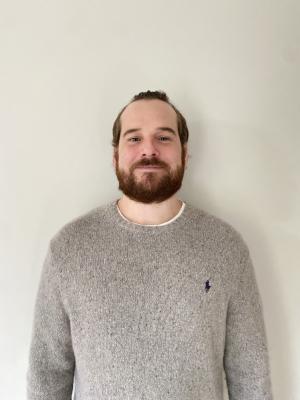
I have previously worked in various mental health settings which include both private and public hospital settings, homelessness and domestic violence response, veteran and first responder therapeutic intervention and have most recently worked at Currumbin Clinic which is an acute psychiatric facility. I have experience working with a wide range of presentations, but have special interest in working with trauma, mood and anxiety disorders, substance misuse, grief and loss, men’s health and looking at strategies to overcome distress and emotional dysregulation.
I hope to bring a fresh set of eyes and a new dynamic to the already brilliant selection of student support here at Bond and hope that by encouraging students to focus on their mental health, they may see more success in all areas of their life here at the University.
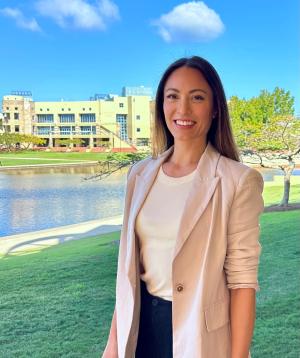
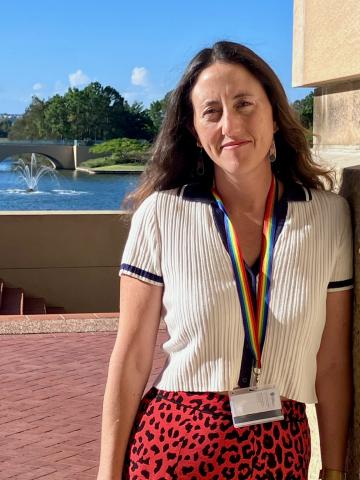
Hi, I’m Arissa - one of the counsellors here at Bond. I’m here to help, and I look forward to meeting you.
University life can be exciting, challenging, and sometimes overwhelming. Whether you’re navigating study pressures, personal challenges, changes in relationships, or questions about the future, you don’t have to work through it alone.
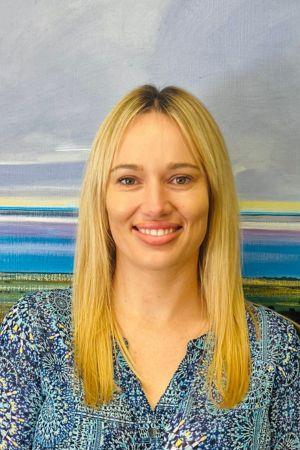
I’m a registered psychologist with experience across student wellbeing, workplace mental health, forensic rehabilitation, private practice, and integrative health. I have a particular interest in trauma-focused care, including supporting individuals who have experienced sexual harm or harassment, phobias, PTSD, and other life traumatic events or accidents.
I work from a trauma-informed, holistic perspective that recognises the impact of these experiences on both mind and body. In our sessions, I aim to create a space that feels welcoming, safe, and non-judgemental; a place where you can share openly, explore what’s going on for you, and work out practical and meaningful ways forward. My approach combines evidence-based psychology with an understanding of how the mind and body are connected, supporting both cognitive and emotional processing.
I also recognise that every student is different, and there’s no one-size-fits-all approach. We can work together to find strategies and approaches that fit your needs, goals, and circumstances. My hope is that through our work together, you’ll feel more equipped to care for your mental health, navigate challenges with greater confidence, and make the most of your time at university.
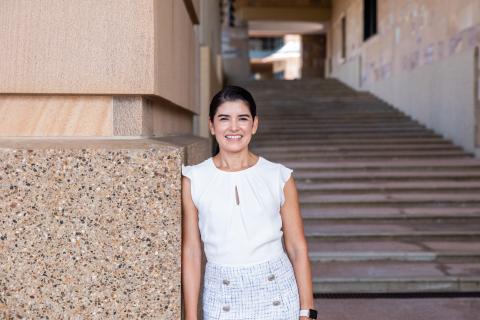
Hello, I’m a registered psychologist and clinical registrar with a range of practical experience across private practice, university settings, and hospitals. I’m also a Bond alumni, having completed master’s degrees in both clinical and professional psychology, in combination to a Bachelor of Psychological Science (Honours) at Bond.
I have experience in providing evidence-based psychological treatments and support for a wide range of mental health concerns including but not limited to trauma, depression, anxiety, substance misuse, relationship difficulties, bereavement, life adjustments, and general stress. In my practice I draw from a range of modalities including Cognitive Behavioural Therapy (CBT), Schema Therapy, Acceptance and Commitment Therapy (ACT), Dialectical Behaviour Therapy (DBT), and Existential Psychotherapies.
Importantly, I believe that at its core, the therapeutic relationship is a human interaction offering the potential for deeper insight into our shared humanity. I also believe that this same relationship can be utilized to affect meaningful change and ultimately self-actualization. This process is primarily facilitated through identifying and addressing pervasive and dysfunctional patterns and their origins, in turn building one’s capacity to navigate life’s challenges, whatever they be.
I bring over 12 years of experience in social work spanning not-for-profit organisations, Aboriginal corporations, and hospital-based mental health care. Throughout my career, I have supported young people and families navigating complex challenges such as domestic violence, complex intergenerational trauma, homelessness, child abuse, substance misuse, and severe mental illness. A significant part of my early career was spent working in partnership with remote Aboriginal communities in Central Australia, an invaluable experience that deepened my understanding of intersectionality and the systemic factors shaping wellbeing. This work also cemented my trauma-informed, culturally competent and holistic approach to practice.
In my most recent role, supporting involuntary hospital patients experiencing severe and chronic mental health conditions, I gained a deep understanding of the importance of preventative and early intervention work. I am passionate about helping students lead meaningful lives and reach their full potential, avoiding unnecessary suffering through timely support.
Currently pursuing a Master’s in Mental Health (Psychotherapy), I combine evidence-based practices with a warm, empathetic, and collaborative approach, fostering a safe and supportive space for students to discuss and overcome any challenges they may be facing.
Please note: Stephanie has limited appointment availability
I'm a registered psychologist with close to 15 years of psychology experience, beginning my career as an Army Psychology Officer. Since then, I've worked across military, employment services, education, and private practice settings.
My approach is person-centred, warm, and collaborative, focusing on building strong therapeutic relationships to create meaningful change. I provide a safe, non-judgmental space where you can feel heard, supported, and encouraged to work on your goals.
I utilise evidence-based approaches including CBT, Motivational Interviewing, Solution-Focused Therapy, and have special interests in Narrative Therapy and ACT. As a Board Approved Supervisor, I support other mental health professionals in their professional development.
Whether you're facing specific challenges, seeking self-understanding or healthy change, I'll walk alongside you with compassion and care. Outside of work, I enjoy family time, staying active, exploring the outdoors, and cooking.
Anna is an experienced clinician who brings a warm, gender-affirming and neuro-affirming approach to her work. She is trained in DBT, ACT, Schema Therapy and Compassion Focused Therapy, with clinical interests including trauma, anxiety, OCD, PTSD, adjustment difficulties, and family, domestic and sexual violence.
Booking an appointment
Appointments are 50 minutes long and can be booked online using the BondConnect platform. If you need to cancel or reschedule, please do so through BondConnect.
We are an in-demand service, but we understand life gets busy. If you need to cancel or reschedule your appointment, please do this as soon as possible via BondConnect or contacting us via phone or email.
Accessibility and inclusion
If you require support for reasonable adjustments to study for a medical condition or disability, please discuss this with the Accessibility & Inclusion Advisor by lodging an application using BondAbility.
You can access mental health support after hours from the Bond University Crisis Line. The Crisis Line can help relieve emotional distress and provide coping mechanisms outside of the operational hours of Bond's onsite counselling service, including at night and on weekends. Students, or staff supporting students, can call or text the Crisis Line 24/7 for any urgent wellbeing crisis support.
This is not an external call line, and all calls will be referred to the University Wellbeing Team to follow up where necessary. If you prefer to seek external help, you can contact Lifeline 24/7 on 13 11 14.