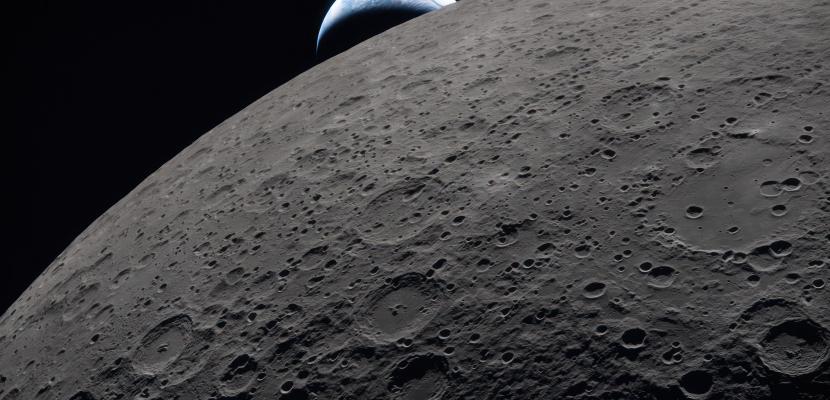
Our nearest neighbour the Moon has been accumulating a human history since the early days of space exploration.
From historic spacecraft to memorials, artworks, marketing materials and commercial payloads, an ever-expanding variety of objects have been - and are being - sent to the lunar surface.
But the Moon is not a museum. It is an active environment with hundreds of missions planned over the coming decade.
As lunar activity accelerates, international lawyers are asking: who decides which objects should remain on the surface, which should be protected by law, and how these decisions should be made?
Space lawyer Gregory Radisic, a Senior Teaching Fellow in the Bond University Faculty of Law, recently addressed the United Nations Committee on the Peaceful Uses of Outer Space (UNCOPUOS) on these issues.
“The Moon is no longer populated exclusively by scientific instruments and exploration infrastructure,” Mr Radisic said.
“A growing diversity of actors are placing an increasing variety of objects on the lunar surface, many of which are intended to remain there indefinitely.”
When people think of heritage protection, they often think of UNESCO World Heritage sites or domestic heritage laws. Yet neither applies to the Moon.
International space law contains no equivalent legal framework for determining what lunar artefacts should be preserved, how they should be managed, or who should make those decisions.
Some objects are widely recognised as historically significant.
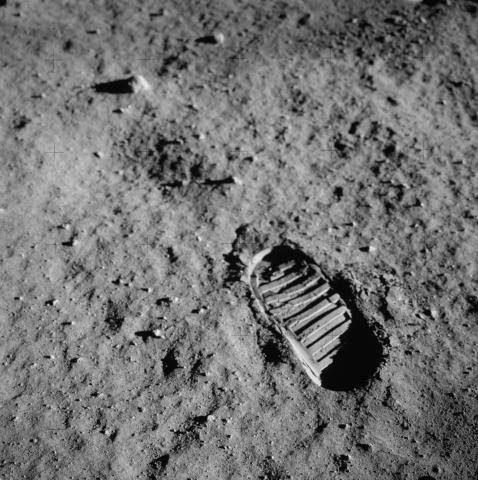
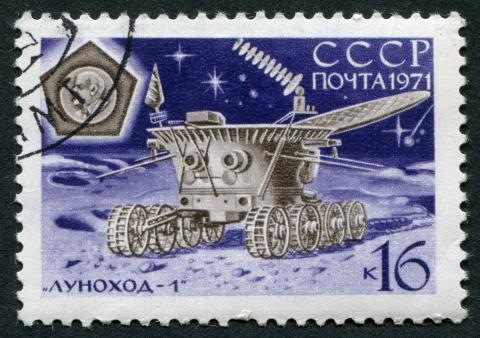
Few would dispute the significance of the first spacecraft to achieve a soft landing (Luna 9), the first human landing site (Tranquility Base, Apollo 11), and the first rover to traverse the lunar surface (Lunokhod 1).
But where to draw the line? The questions become more difficult as lunar activity expands.
Some projects aim to deposit artworks or marketing materials.
Others have sent cremated remains onto the Moon like those of planetary scientist Eugene Shoemaker.
What about the wreckage of the Hakuto-R mission, the first lunar landing attempt by a Japanese company?
“Individually, a single symbolic or commemorative payload may appear insignificant. Collectively, however, these activities raise broader questions of congestion, interference and the long-term sustainability of lunar activities,” Mr Radisic said.
“No single actor should be able to influence the future use of a lunar location simply by placing an object there and claiming it should remain in perpetuity.”
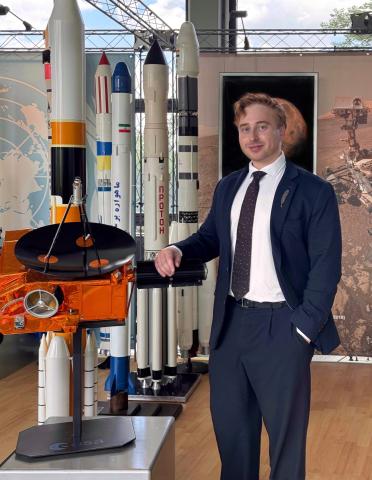
Mr Radisic’s presentation to the United Nations plenary examined how emerging lunar activities raise important questions for transparency, coordination, heritage protection and the future implementation of international space law.
The presentation was on behalf of the United Nations Permanent Observer, For All Moonkind, a non-profit organisation dedicated to protecting humanity's cultural heritage beyond Earth.
Rather than arguing that every object should receive heritage protection, Mr Radisic said the international community should begin developing “shared understandings” of what objects lie on the lunar surface before competing interests become entrenched.
“Currently, space actors are worried about accidentally causing an international incident if they disturb one of these allegedly historic sites unwittingly”, he said.
“The international community must develop a shared inventory of lunar objects and begin discussing which sites and artefacts are of genuine significance and require protection.”
As part of its advocacy work, For All Moonkind has developed an interactive three-dimensional lunar globe and database cataloguing known sites and artefacts across the Moon, providing a resource to support transparency, coordination and the protection of humanity's shared heritage.
At the centre of the discussion is the 1967 Outer Space Treaty, the foundation of international space law.
Drafted during the Cold War, the treaty was negotiated at a time when only governments conducted activities in outer space.
Today, states remain internationally responsible for supervising their private actors, but the treaty offers limited guidance on the growing diversity of objects now being proposed for the lunar surface.
With renewed international interest in returning to the Moon, the governance questions surrounding these activities are no longer theoretical.
As more governments, companies and organisations plan missions beyond Earth, the challenge will not simply be deciding what is valuable enough to preserve, but ensuring that international processes exist to make those decisions collectively before the lunar landscape becomes increasingly crowded.
Without international cooperation, the Moon may look less like a museum and more akin to a cluttered attic – one filled with objects whose significance is disputed, whose ownership is uncertain, and whose future no one has agreed upon.