Written by Bachelor of Journalism student Jess Borten.
After going to school for 13 years, I was completely OVER doing assignments and sitting exams. I wanted to see more than just the four walls of a classroom. After graduating, people would often ask me if I was taking a ‘gap year,’ to which I would respond ‘no, I’m taking a gap life,’ as I had no intention of ever going to university.
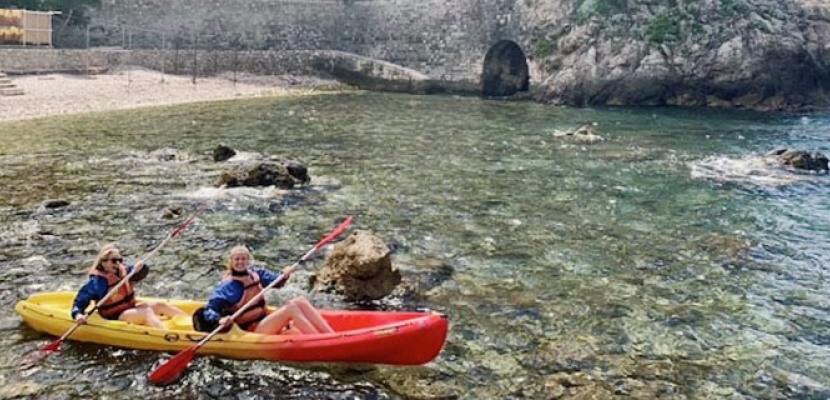
After securing part-time work as a waitress, I started saving every penny and began travelling. In 2019, I went on my first solo overseas adventure to Europe for four months, during which I made the decision to return home and – PLOT TWIST – enrol in university and study journalism at Bond. Here’s why…
1. I rediscovered my love for writing
I’d always loved writing – stories, poems, articles, anything that involved stringing two words together. For most of my teenage years, I dreamed of one day becoming a journalist in New York City and fulfilling my Gossip Girl dreams. But after a mental breakdown in high school, I lost touch with what I was passionate about. While overseas in Europe, I kept a journal recounting everything I did and everyone I met. I started writing travel articles on the Contiki bus about all the places we’d been to and fell back in love with the process of writing. I knew I wanted to do it for a living!
2. I decided to go for myself
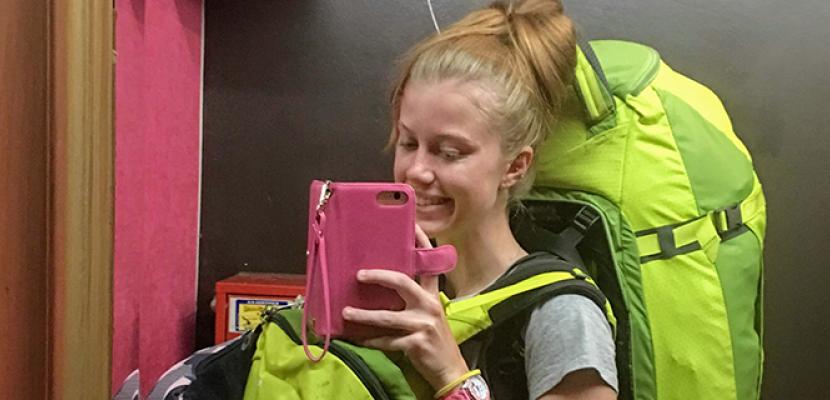
Previously, my ambition to go to university was driven solely by the expectations of others. Growing up, I felt it was expected of me to take the traditional path of school, then university, then work. I realised I had only wanted to go because all my friends were. But there’s no point in going just because your family or your friends want you to. At the end of the day, you’re the one who has to go to class and study… not them! If you’re going to university, make sure it’s because YOU want to! I was initially attracted to Bond for their accelerated degrees as they would allow me to graduate sooner - especially since I was starting as a mature age student - and with more practical experience.
3. I wanted a life of adventure
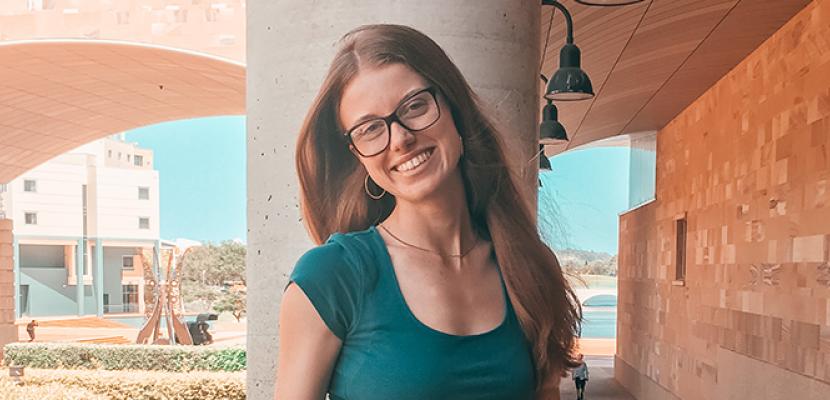
I’ve always been a big advocate for making the most of every day and living in the moment. I decided that journalism would allow me to practice this philosophy. I knew previous students who had graduated from Bond's program with job offers overseas, so I'm excited to explore the international opportunities available. Whether it takes me all over the world or gives me the opportunity to meet interesting people, journalism would allow me to make the most out life.
4. I gained self-confidence
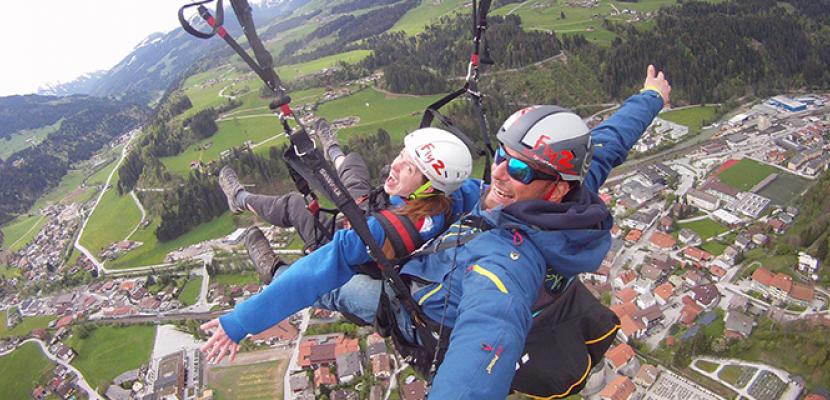
Although I had a clear image of myself living on the Upper East Side in a penthouse with six walk-in wardrobes (!), I never fully believed that I’d be able to accomplish those goals. But after you backpack through Europe on your own and make it back in one piece without losing your passport, it’s hard not to feel proud of yourself. I realised I can do anything I put my mind to as long as I believe in myself.
5. I learnt not to be ashamed of my ambitions
At school, I cared far too much about what other people thought of me. Because of this, I was ashamed of my ambitions and feared others would deem them ‘lame’ or ‘stupid’. This unfortunately drove me away from my goals. But overseas I learnt not to let other people’s opinions get to me and realised as long as I enjoy what I’m doing, that’s all that matters.
6. I realised what I wanted to do
Perhaps the most important reason of all, I figured out what I wanted to do. When you’re 17-years-old, it’s hard to make a definitive decision about where you want to be in 10 years time; so much can happen and so much can change! And sometimes you apply for a course thinking that’s what you want to do, later realising it’s not. By taking time off, I was able to figure out who I was and what I wanted to get out of life before making any major decisions like what to study. Over time, I realised I wanted to study journalism… but I’m still keeping an open mind because you never know what opportunities are right around the corner.