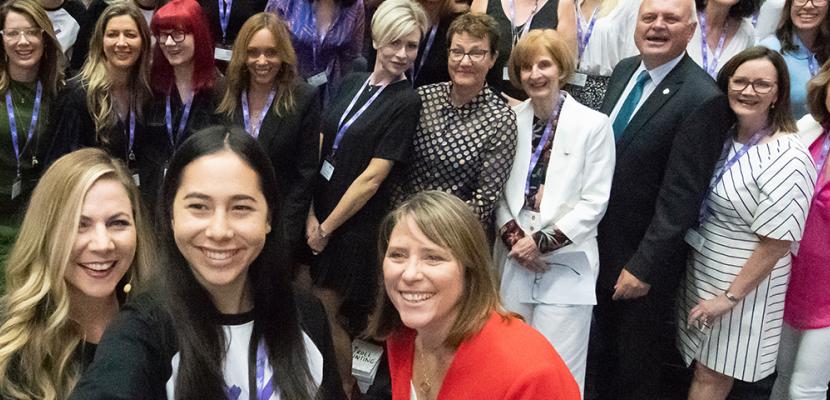
Bond University journalism students attended the 2019 Women in Media Conference on campus, meeting and interviewing some of the industry's most influential women. Phoebe Le Page was part of Bond's Pop Up Newsroom and she spoke to Women in Media Queensland committee members Kay McGrath and Danielle Cronin about journalism's digital transformation.
Forty years ago, a broadcast segment would be pre-shot on film with a cameraman and sound recordist, cut and spliced together, then sent off by plane destined for the broadcast centre. Blink and it’s 2019. More than five billion people own a mobile phone, almost three million have a social media account, and staying up-to-date is made easy through digital news platforms and live broadcasts. The convenience and accessibility of innovative technology continues to change the media landscape.
Gracing the television screens of Australia since 1989, award-winning journalist, weekend 7NEWS presenter and philanthropist Kay McGrath OAM has been working in the media industry for more than 40 years.
“When I began, the news cycle basically stopped with the six-pm news and began again the next morning,” says McGrath. “There was a lot more time available to journalists, with far more resources and more research able to be done, but also many stories skipped under the radar and remained untold. Stories were easier to bury back then and there were gatekeepers before social media started, but it’s very hard to bury a story now.”
Oops, something went wrong.
The advent of the digital revolution has created many challenges, yet exciting opportunities.
“For the industry itself, I think the biggest challenge is to remain relevant but at the same time be authentic, honest and true.
“One thing that really warms my heart and pleases me is seeing today the level of collaboration, cooperation and connection in the industry. I guess that’s because we are all facing the same pressures and the same threat to survive, so it’s a good thing to come together, because there is power in numbers.”
McGrath’s work has allowed her to be a voice for many and she has volunteered many hours to help those experiencing family or domestic violence as well as being an advocate for child protection organisations, including the Daniel Morcombe Foundation.
McGrath says her best advice to any aspiring media personnel is to be ambitious. “Use your ambition wisely by surrounding yourself with good people, believing in and backing yourself, finding your voice and not being afraid to use it, but in a respectful and thoughtful way.
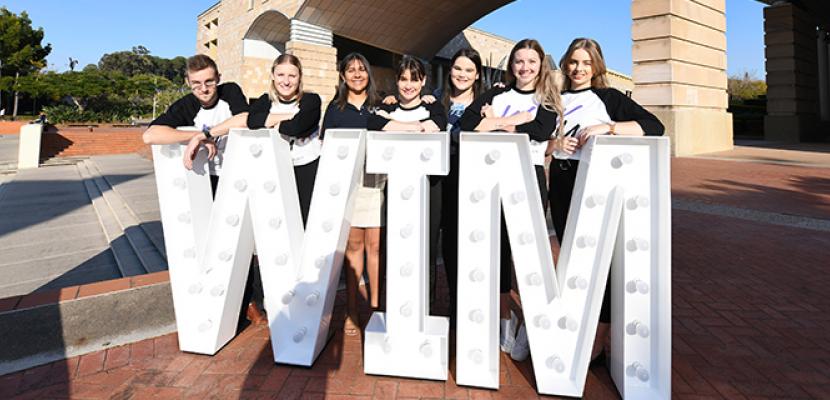
In the past decade, the print media has experienced the challenges of a significantly changing environment, but media trailblazer and first female editor of metropolitan masthead Brisbane Times Danielle Cronin is leading the way for the future of digital journalism.
Launched in 2007, the Brisbane Times has become a platform where the people of Brisbane, surrounding areas and Australia can be informed through free online news updates.
“I am a lover of all forms of media, but I would love to see all different types of platforms thriving. The thing I really love about digital is the ability to use all the best elements of storytelling, from print, radio and television, [which] can all be brought together,” says Cronin.
“I love the freedom that the story dictates how you tell it rather than the confines of a particular platform. When you’re putting stories out onto the internet there is a temptation to be shouty, to try and stand out but I think one of the challenges is to always remember that you don’t have to shout you just have to do a good job and people will read it.”
For those striving toward a career in this fast-paced, ever growing and exciting industry, Cronin says a valuable tool to develop is a great reputation.
“It takes a lot of hard work to develop it and even harder to retain it, but having a great reputation opens doors to you and most importantly, makes media trust you.
“Be observant, be curious, be tenacious and really listen to people,” she says. “If you can walk out onto the street and find stories, then you know the media is for you.”
Learn more about Bond's Bachelor of Journalism(CRICOS 063077B)