Key points
- Increasing shark fishing after attacks is unlikely to reduce bite risk and is a poor substitute for targeted safety measures.
- Only certain species are sustainably fished and commonly consumed, while larger sharks are often unsafe to eat due to contaminants.
- Effective shark risk management relies more on education, deterrents and monitoring technologies.
By Dr Daryl McPhee
Following the tragic death of a spearfisherman near Cairns there have been calls to change regulations to allow for the consumption of sharks in Queensland. These calls have been driven by the federal Member for Kennedy, Bob Katter.
The idea is that by eating the sharks, we reduce the risk of a bite occurring to a person.
The public calls to increase commercial shark fishing or to allow recreational fishing for sharks to protect water users are always widespread after a tragedy occurs.
On the surface it seems straightforward. Yet what appears simple often isn’t when you consider the details.
Some argue sharks should never be eaten and that shark fisheries are inherently unsustainable.
I do not share that view.
Australia is home to around 180 species of sharks, some of which provide sustainable yields and support economically viable fisheries supplying fresh, local seafood.
Only some species are safe to eat
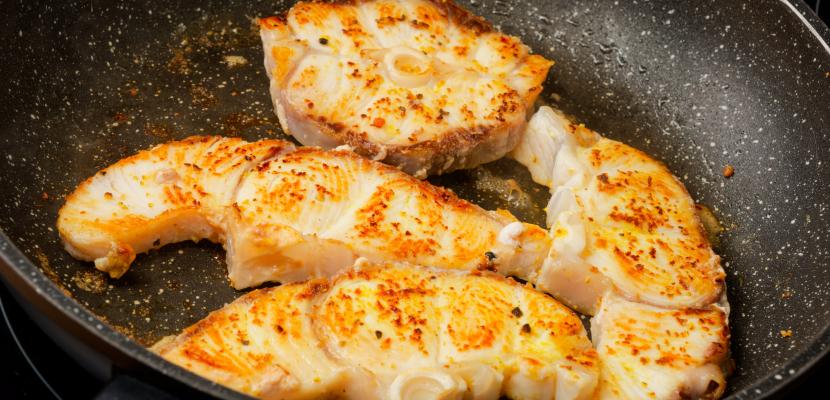
Many Australians, myself included, grew up eating flake. But flake is not just from any shark.
As designated by an Australian standard, it refers only to gummy shark – a harmless species.
Gummy sharks have an annual catch limit of 1654 tonnes and are not overfished.
Small tropical whaler sharks are also caught and sold domestically.
There are some fantastic shark products caught by gill netting in North Queensland and sold at a price for the budget-conscious consumer, currently dealing with rising costs of living.
While flake remains popular, demand for other shark products has declined over time.
Exports, particularly shark fins, were significant in the past but China’s restrictions on shark fin soup at official banquets and campaigns to reduce consumption at weddings have reduced demand.
Limits to commercial and recreational shark fishing
Today many Queensland commercial fishers don’t target sharks because it is not viable.
The only economically viable method for commercially harvesting sharks in Queensland is through gill netting which is being phased out in the Great Barrier Reef World Heritage Area.
Before that, the creation of the net-free fishing areas for the benefit of recreational fishers around Cairns, Mackay and Rockhampton greatly reduced the opportunity for commercially catching sharks.
Despite information to the contrary, recreational fishers in Queensland can catch and retain a bull shark if it is below 1.5 metres in length.
The Queensland government is under pressure to revisit this size limit and may well change it.
However, it may not make a significant difference to the risk of a bite occurring as retaining large sharks for consumption has challenges to the extent that it may not commonly occur in practice.
The flesh of large sharks is often tough and can contain high levels of mercury, cadmium, dioxins, PCBs and other pollutants.
Food Standards Australia New Zealand advises limiting consumption, particularly for pregnant women and children, due to risks to development and cognition. Not exactly a glowing endorsement.
Better approaches to reducing shark bite risk
Shark bite risk is best managed through proven measures such as public education, responsible swimming, shark detection technology and proven shark deterrents.
There does need to be greater focus on mitigating the specific risk to spearfishers whose risk profile is different than other water users.
These strategies can reduce the chance of bites without elevating food safety issues.
I still eat shark and encourage Australians to enjoy sustainable local seafood, but putting the bite back on tiger, bull or white sharks is not a solution for water safety.
- Dr Daryl McPhee is an Associate Professor of Environmental Science at Bond University and an expert on shark-human interactions. He is a former Director of the Commonwealth’s Fisheries Research and Development Corporation and a member of the Advisory Council for the Seafood Consumers Association.