by Associate Professor Katarina Fritzon
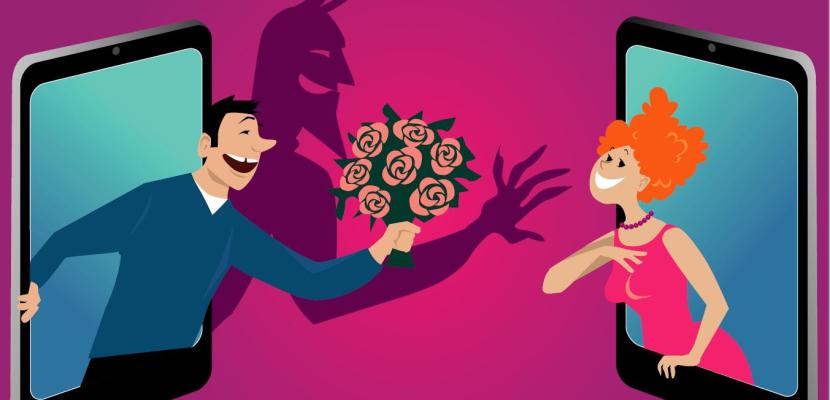
The world is witnessing an evolution in e-scamming with the customers of online dating sites well and truly in the crosshairs of the ‘Tinder swindlers’.
From the rudimentary ‘Nigerian Prince’ letter frauds of the 1990s to today’s catfishing fraudsters happy to play the long game, the lovelorn online dating world is fraught with danger.
It’s also a big money-spinner for criminals with Australians conservatively estimated to have lost $131 million to online dating scams last year, up from $83 million just three years ago.
These cyber predators intimately research their victims to understand who they are and what they value.
They take information from the victim’s own profile and mine social media and other open-source materials to exploit them and their psychological make-up.
The criminals even use what is offensively called a ‘suckers’ list’ which can be purchased from the dark web and tells them if a person has fallen for a previous scam. They love-bomb and they groom. They present the victim with a too-good-to-be-true profile of their fake selves, building romantic credibility, inventing an unforeseen and increasingly urgent financial problem and, well, you know the rest.
Love will always find a way, right?
Well, maybe not always, and that’s why Bond University is leading research into the communication strategies and offence processes of online dating scammers.
It’s important research because people looking for love online can suffer the unique double hit of losing their money and their hearts when things go bad - and the damage can be horrific.
The criminals chip away at their victims to divide them from family members and others in their lives they might consider confidants - similar to the behaviours of domestic violence perpetrators who use coercive control to isolate their victims.
We’re examining previous research that has looked at victimology and machine-learning profile detection, which tells us a lot about the typical profiles that scammers develop to catch their victims’ eyes, such as military men and fashion models.
We’re also looking at transcripts via romantic scam-busting sites to compare key phrases used in scam communications with those in genuine conversations.
And sadly, we are learning that scammers target the most vulnerable people in society: those with health needs, who have suffered the recent loss of a loved one, lonely people, people with mental health problems, and people who are simply desperate for love.
The professional profiles of the victims range from top-level professionals such as lawyers and accountants and medical doctors to people starting up home business and everyone in between – there is no typical victim profile.
People need to remember that anyone can pretend to be anyone they want to be online, and only criminals will try to rush or panic you into financial transactions.
There are ways to stay safe and the first step is to be wary of revealing personal information about yourself online such as financial, geographical and intimate family matters.
It’s not just unrequited love and financial rip-offs that have researchers and authorities concerned.
The Australian Institute of Criminology last year found three in four people using dating apps or websites experienced some form of sexual violence in the five years to 2021.
This included sexual harassment, abuse and threatening language, image-based sexual abuse and stalking - and the Federal Government is becoming increasingly concerned.
Last month Communications Minister Michelle Rowland put dating apps on notice, telling them they had until the middle of next year to develop a voluntary industry code to better protect people using their services.
The code would include commitments to engaging with law enforcement, supporting at-risk users, improving safety policies and practices, and providing greater transparency about harms.
It's a positive step forward but industry self-regulation in the world of cyberspace is hit and miss at best.
Let’s just hope it gets some love.
* Associate Professor Fritzon is a registered psychologist who researches crime and interpersonal risk management